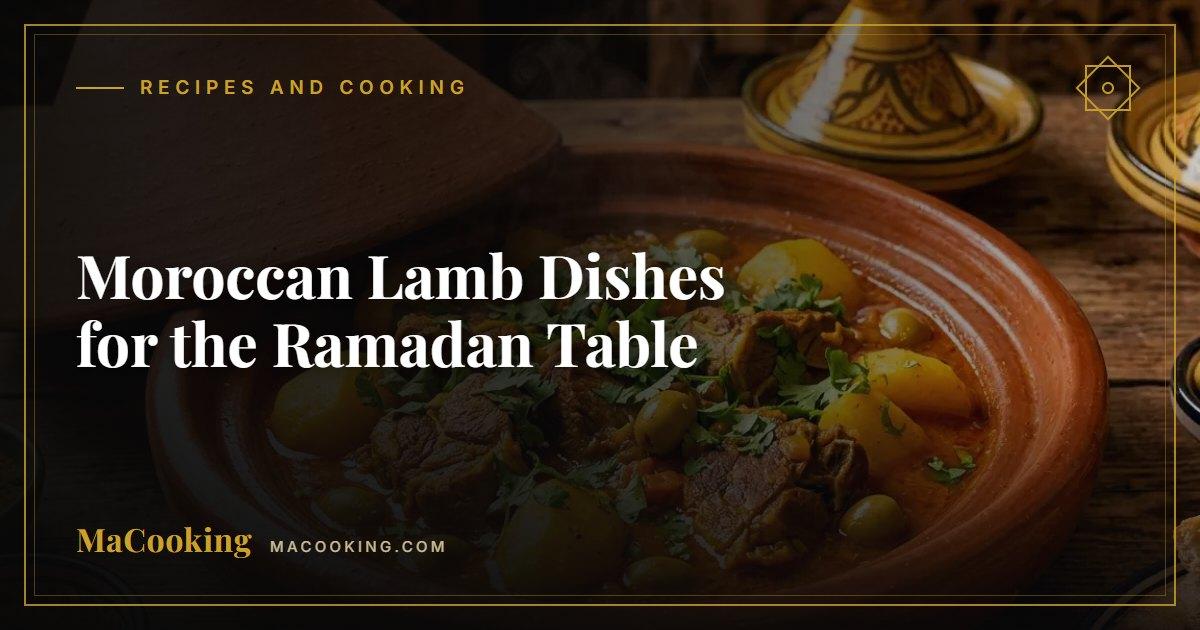
A good Moroccan lamb recipe starts with bone-in shoulder or shank, slow-simmered for two hours or more with onion, ginger, turmeric, saffron and cinnamon until the meat yields to a spoon. For Ramadan, choose a dish that can be made ahead, reheated gently, and served after a light start of dates, soup and bread.
Key Takeaways
- Bone-in shoulder, shank and neck give the most tender, flavourful results in a Moroccan lamb stew or tagine.
- Most dishes use the same backbone of onion, garlic, ginger, turmeric, pepper, saffron and herbs. The fruit, nuts or vegetables change the character.
- Lamb stews improve overnight, which makes them ideal for busy Ramadan evenings when you want to cook in the afternoon and reheat at sunset.
- Kefta (spiced lamb meatballs) in tomato sauce is the fastest option and cooks in about 30 minutes.
- Keep the rest of the iftar table light and let one lamb dish be the centrepiece.
This article is part of our wider look at the Moroccan Ramadan Food: The Complete Guide to Iftar and Suhoor. Here we focus on lamb: what to buy, one dependable base recipe, a quick meatball recipe, and a guide to the best-known tagine variations.
Why does lamb belong on the Moroccan Ramadan table?
Lamb is the meat of generosity in Moroccan cooking. It appears at weddings, family gatherings and religious celebrations, and during Ramadan it often turns an ordinary family evening into something special. Many households keep the first moments of iftar simple, with dates, water or milk, and a bowl of harira, and then move on to a main dish once the body has settled.
That rhythm shapes how you should cook. After a day of fasting, a rich, slow-cooked lamb dish is deeply satisfying, but it should not overwhelm. A well-made stew is tender, aromatic and lightly sauced rather than greasy. It also does not need your attention at sunset, because it was ready hours earlier.
If you are planning a full week of menus, you may want to alternate lamb with poultry and vegetarian dishes. Our vegan Moroccan lentil stew is a good counterpoint on a lighter night, though note that it is a separate dish and not part of the lamb collection below.
What are the key Moroccan lamb ingredients?
Moroccan lamb ingredients are mostly pantry staples, and the technique does more work than the shopping list. The table below shows what you need for a classic lamb stew and what to use if a traditional item is hard to find.
| Ingredient | Role in the dish | Western pantry substitute |
|---|---|---|
| Bone-in lamb shoulder, shank or neck | Body, richness and natural gelatine for the sauce | Bone-in leg steaks (leaner), or boneless shoulder plus a few bones |
| Onions, grated or finely chopped | Melt into a sweet, thick sauce | Shallots, though yellow onions are best |
| Ginger and turmeric | Earthy, warm base of most Moroccan stews | Ground versions are standard and work well |
| Saffron threads | Floral aroma and golden colour | Use a little extra turmeric for colour, but the aroma will differ |
| Cinnamon stick | Gentle warmth, especially in fruit tagines | Ground cinnamon, about 1/2 teaspoon |
| Ras el hanout | Complex spice blend for sweet-savoury stews | Mix cumin, coriander, ginger, cinnamon, paprika and a pinch of allspice |
| Smen (fermented butter) | Deep, savoury, slightly funky flavour | Butter plus olive oil |
| Prunes, dried apricots, raisins | Sweetness and sticky, jammy sauce | Any soft, unsweetened dried fruit |
| Fresh cilantro and flat-leaf parsley | Fresh finish for savoury tagines and meatballs | All parsley if cilantro is not to your taste |
| Almonds | Crunch and richness on top | Blanched almonds, toasted in a dry pan |
Which cut of lamb should you buy?
Choose cuts with bone and some connective tissue. Shoulder is the best all-round option: it has enough fat to keep the meat moist and cooks to a spoon-tender finish. Shanks suit sweet-savoury dishes like mrouzia, where you want a dramatic, falling-off-the-bone presentation. Neck is inexpensive and flavourful but needs a little more time. Lean leg meat is better for roasting than long stewing, as it tends to turn dry and stringy.
Ask your butcher to cut shoulder into pieces of about 5 cm (2 inches) with the bone left in. Smaller cubes overcook and fall apart before the sauce is ready.
How do you make a classic Moroccan lamb stew?
This is a base method for a savoury Moroccan lamb stew that you can serve as it is or turn into a fruit tagine later. It serves 6 and takes about 2 hours 45 minutes, most of which is hands-off simmering.
Ingredients
- 1.5 kg (about 3 lb) bone-in lamb shoulder, cut into 5 cm pieces
- 2 large onions, grated
- 3 garlic cloves, crushed
- 1 teaspoon ground ginger
- 1 teaspoon ground turmeric
- 1/2 teaspoon freshly ground black pepper
- 1 teaspoon fine salt, plus more to taste
- A generous pinch of saffron threads, crumbled into 2 tablespoons warm water
- 1 cinnamon stick
- 3 tablespoons olive oil (or 2 tablespoons olive oil and 1 tablespoon butter or smen)
- Small bunch of cilantro and parsley, tied with kitchen string
- About 500 ml (2 cups) water
Method
- Season the lamb. In a large heavy pot or Dutch oven, toss the lamb with the garlic, ginger, turmeric, pepper, salt, saffron water and oil. Leave for 30 minutes at room temperature, or overnight in the refrigerator.
- Sweat, don't brown hard. Set the pot over medium-low heat and turn the meat for 5 to 7 minutes until the spices smell fragrant and the surface of the meat turns pale and lightly golden. Moroccan stews are typically braised gently, not seared dark.
- Add the aromatics. Stir in the grated onion, cinnamon stick and herb bundle. Pour in the water, which should come about halfway up the meat.
- Simmer low and slow. Bring to a bare simmer, cover tightly, and cook for 2 to 2.5 hours. Turn the meat once or twice and add a few spoonfuls of water only if the pot looks dry.
- Reduce the sauce. When the lamb is tender, remove the lid and discard the herb bundle and cinnamon stick. Simmer uncovered for 10 to 15 minutes until the sauce is thick, glossy and reduced by about half. Taste and adjust the salt.
- Serve. Spoon onto a warm platter and scatter with chopped fresh herbs. Serve with khobz or crusty bread for scooping.
Pressure cooker shortcut: many Moroccan home cooks use a pressure cooker for stews. After step 3, lock the lid and cook for about 45 minutes once pressure is reached, then reduce the sauce uncovered. If you prefer a hands-off method, our guide to Moroccan slow cooker recipes shows how this style of cooking adapts to a slow cooker.
Which Moroccan lamb tagine should you cook for iftar?
A Moroccan lamb tagine is basically the stew above, finished with a particular garnish and served in a shallow conical pot. Once you can make the base, you can choose your variation by mood and guests. Here is how the best-known versions compare.
| Dish | Flavour profile | Main additions | Best for |
|---|---|---|---|
| Lamb tagine with prunes and almonds | Sweet, jammy, savoury | Prunes, cinnamon, toasted almonds | Special family iftars and hosting |
| Lamb tagine with apricots and almonds | Brighter, slightly tart-sweet | Dried apricots, almonds | Guests who find prunes too rich |
| Lamb tagine with potatoes and cilantro | Herby, savoury, comforting | Potatoes, cilantro, often olives or lemon | Everyday family meals |
| Mrouzia | Honeyed, spiced, deeply aromatic | Honey, raisins, ras el hanout, almonds | A celebratory, make-ahead centrepiece |
How do you turn the base stew into a fruit tagine?
For a prune tagine, soak 250 g (about 1 1/2 cups) of pitted prunes in hot water for 15 minutes. Once the lamb is tender, drain the prunes and add them to the pot with 1 to 2 tablespoons of honey and 1/2 teaspoon of cinnamon. Simmer uncovered for 15 to 20 minutes until the sauce coats the back of a spoon. Top with 60 g (1/2 cup) of almonds toasted in a dry pan. Taste before adding more honey; the goal is gentle sweetness balanced by the savoury lamb, not dessert.
For the potato version, peel and quarter 700 g of waxy potatoes and add them for the last 30 to 40 minutes of simmering, so they cook through but hold their shape. Finish with plenty of chopped cilantro.
Does a tagine pot make a difference?
A clay tagine holds steady, moist heat, and its conical lid returns condensation to the dish. It is lovely for serving but not essential. A heavy casserole with a tight lid produces excellent results; use a low flame and keep the simmer quiet. If you want to understand why the dish is built the way it is, you can read the free chapter "The Tagine — Philosophy & Mastery" online.
How do you make Moroccan lamb meatballs?
Moroccan lamb meatballs, usually called kefta, are the quick option for nights when you have less time. They are small, juicy and tender, and the tomato sauce brings them together in about 30 minutes. This makes enough for 4 to 6 as part of a spread.
Ingredients
- 600 g (about 1 1/3 lb) ground lamb, preferably with some fat
- 1 small onion, grated and lightly squeezed
- 3 tablespoons finely chopped parsley
- 2 tablespoons finely chopped cilantro
- 2 garlic cloves, minced
- 1 1/2 teaspoons ground cumin
- 1 teaspoon paprika
- 1/2 teaspoon ground cinnamon (optional)
- 1 teaspoon salt and 1/2 teaspoon black pepper
For the sauce:
- 3 tablespoons olive oil
- 4 ripe tomatoes, grated, or 400 g canned crushed tomatoes
- 2 garlic cloves, sliced
- 1 teaspoon paprika and 1/2 teaspoon cumin
- Pinch of chilli flakes or cayenne (optional)
- 150 ml (2/3 cup) water
- 3 to 4 eggs (optional)
Method
- Mix the meatball ingredients thoroughly with your hands until the mixture feels slightly sticky. Shape into walnut-sized balls, about 30 g each.
- Warm the olive oil in a wide, shallow pan over medium heat. Add garlic, paprika and cumin and stir for 30 seconds.
- Add the tomatoes and water. Simmer 10 minutes until the sauce thickens slightly.
- Nestle in the meatballs, cover, and cook gently for 15 minutes, turning once.
- If using eggs, make small wells between the meatballs, crack the eggs in, cover, and cook 4 to 5 minutes until the whites set.
For a deeper look at the dish, including variations in seasoning and cooking in a clay pot, see our full Moroccan meatballs tagine (kefta tagine) recipe.
How can you plan Moroccan lamb across Ramadan?
Lamb is a large investment of time, so plan your week rather than cooking it every night. A practical rhythm looks like this:
- Weekend: make a large pot of stew or a fruit tagine. Cook it in the afternoon, rest it off the heat, then reheat at sunset.
- Midweek: kefta in tomato sauce is fast and can be shaped in the morning and refrigerated.
- Another night: choose poultry or a vegetarian stew so the week does not feel heavy.
How should you store and reheat lamb stew?
Cool the stew within two hours and refrigerate in a covered container for up to three days. It freezes well for up to three months without fruit or potatoes; potatoes turn grainy when frozen. Reheat gently over low heat with a splash of water, and add fresh herbs, toasted almonds or a squeeze of lemon at the end to revive the dish.
What should you serve alongside?
Keep the sides simple: warm bread, a tomato and cucumber salad, olives, or plain couscous. Fruit tagines pair well with something acidic and fresh, while herby potato tagines already feel complete with bread alone. For drink ideas beyond mint tea, our Moroccan food pairing guide offers suggestions by dish. If you cook mainly for a large family, browse more options in our main dishes recipes.
What mistakes should you avoid with Moroccan lamb?
- Browning too aggressively. Dark searing is a Western habit. Most Moroccan stews rely on gentle cooking for a cleaner, spice-forward sauce.
- Adding too much water. The onions and lamb release liquid. Start with water halfway up the meat; you can always add more.
- Boiling instead of simmering. A hard boil toughens the meat. Look for a few lazy bubbles.
- Skipping the final reduction. A thin sauce tastes diluted. Uncover and reduce until glossy.
- Adding fruit too early. Prunes and apricots disintegrate if cooked for the full time. Add them for the final 15 to 20 minutes.
- Over-spicing meatballs. Kefta should taste of lamb and herbs first, with spices in support.
The best lamb dishes feel unhurried: low heat, a tight lid, and enough time for the meat and spices to become one sauce.
Frequently Asked Questions
What is the best cut of lamb for a Moroccan lamb recipe?
Bone-in shoulder is the most forgiving choice, with enough fat and connective tissue to turn soft and silky over two hours. Shanks and neck are excellent for stews and mrouzia. Leg is leaner and can dry out in a long simmer, so keep it for roasting.
Can I make Moroccan lamb stew ahead for Ramadan?
Yes. Lamb stews and tagines usually taste better the next day, once the spices settle. Cool the stew, refrigerate it for up to three days, and reheat gently with a splash of water. Finish with fresh herbs, toasted almonds or a squeeze of lemon just before serving.
Do I need a clay tagine pot to cook Moroccan lamb?
No. A heavy Dutch oven or casserole with a tight lid works well. A clay tagine gives gentle, even heat and a traditional presentation, but it needs a heat diffuser on most Western stovetops. Use whichever vessel you can keep at a steady, low simmer.
What can I use instead of smen in Moroccan lamb dishes?
Smen is a fermented, salted Moroccan butter with a strong, cheesy aroma. If you cannot find it, use a mix of butter and olive oil, and add a tiny pinch of blue cheese for a similar funk. Many cooks skip it entirely and still make a delicious stew.
What should I serve with Moroccan lamb at iftar?
Traditionally, lamb comes after dates, milk or water, a bowl of soup such as harira, and bread. Serve the stew with khobz or crusty bread for scooping, plus a simple tomato-cucumber salad or a bowl of couscous. Keep sides light so the lamb remains the centrepiece.
How long does lamb take to become tender in a tagine?
Bone-in lamb cubes usually need about two to two and a half hours at a gentle simmer. In a pressure cooker, allow roughly 45 minutes once pressure is reached. The meat is ready when it yields easily to a spoon and the sauce has thickened and turned glossy.
Conclusion
A reliable Moroccan lamb recipe does not need rare ingredients, only patience, bone-in meat and a gentle flame. Master the base stew, then choose your path: sweet prunes for a special evening, herby potatoes for family comfort, or quick kefta when time is short. Cook ahead, reheat gently, and let one beautifully tender lamb dish anchor the table.