
25
Prep (min)
120
Cook (min)
6
Servings
Medium
Level
Introduction
Lamb tagine with apricots and almonds stands as one of Morocco's most celebrated and sophisticated preparations - a dish that perfectly embodies the country's mastery of sweet-savory flavor combinations that surprise and delight Western palates. This is festive food, reserved for special occasions, honored guests, and celebrations, where the generous addition of dried fruits, honey, and nuts signals both prosperity and hospitality. The dish showcases everything that makes Moroccan cuisine extraordinary: layers of complex spices, the interplay of contrasting flavors and textures, and the transformation of humble ingredients into something sublime through patient, careful cooking.
The magic of this tagine lies in its balance. Rich, succulent lamb provides the savory foundation, slow-cooked until fall-apart tender with warm spices like cinnamon, ginger, and saffron. Sweet dried apricots, plumped in the aromatic braising liquid, contribute fruity sweetness and slight tartness that cuts through the lamb's richness. Caramelized onions add deep, jammy sweetness. Honey provides floral notes and helps create the glossy, syrupy sauce. Finally, toasted almonds and sesame seeds add essential crunch and nutty flavor. Each component plays a specific role, and together they create a harmony that is greater than the sum of its parts.
This style of tagine reflects centuries of culinary exchange along ancient trade routes. Dried fruits and nuts traveled from oases and mountain valleys to urban markets. Spices arrived via caravans from the East. The technique of combining meat with fruits and honey shows Persian and Andalusian influences that were absorbed and transformed into something distinctly Moroccan. Today, lamb tagine with apricots represents Morocco's culinary identity to the world - it appears on restaurant menus from Marrakech to Manhattan, always promising an exotic, memorable experience. Yet the best versions remain those made in Moroccan homes, where grandmothers' recipes passed down through generations ensure authentic flavor and proper technique.
About This Recipe
Lamb tagine with apricots and almonds represents one of Morocco's most refined and celebrated culinary traditions - a dish that embodies the sophisticated sweet-savory flavor combinations that define the country's cuisine and distinguish it from other Mediterranean cooking. This style of preparation has ancient roots stretching back to medieval Islamic Spain (Al-Andalus) and Persia, where the combination of meat with dried fruits, honey, and nuts was a hallmark of courtly cuisine. When Muslims fled the Spanish Reconquista in the fifteenth and sixteenth centuries, they brought these sophisticated cooking techniques to Morocco, where they were embraced and transformed by local cooks. The imperial cities - particularly Marrakech and Fez - became centers for refined tagine cooking, with palace kitchens developing elaborate sweet tagines that showcased the kingdom's wealth and the cook's skill. The use of expensive ingredients like dried apricots (which had to be transported from oases and mountain valleys), imported almonds, precious saffron, and abundant honey signaled prosperity and generosity toward guests. Sweet tagines became essential for celebrations: weddings, religious festivals, births, and important diplomatic or business occasions. The layering of flavors - savory lamb enriched with warm spices, sweet fruit and honey, crunchy toasted nuts - created complexity that impressed guests and demonstrated the host's culinary sophistication. The technique of slow-braising meat with fruits until everything melded into harmonious unity showed Persian influence adapted to Moroccan ingredients and tastes. Apricots specifically became favored for their balance of sweetness and acidity, their ability to hold shape during cooking, and their beautiful orange color that created visual appeal. The tradition of finishing with toasted almonds and sesame seeds added textural contrast that elevated the dish from good to extraordinary. Over centuries, each family and region developed their own variations - some added raisins or prunes alongside apricots, others included caramelized onions, some preferred lamb while others used chicken or beef. But the essential character remained constant: tender meat, sweet fruit, aromatic spices, and crunchy nuts in glossy sauce served over fluffy couscous. Today, lamb tagine with apricots has become one of Morocco's most iconic dishes internationally, appearing on menus worldwide as the epitome of Moroccan cooking. For Moroccans, it remains special-occasion food that brings families together, honors important guests, and continues centuries-old traditions. The dish proves that the greatest recipes transcend mere sustenance to become cultural expressions - a taste of Morocco's history, its position at the crossroads of cultures, and its genius for transforming simple ingredients into sublime experiences through patience, skill, and the generous spirit of hospitality that defines Moroccan culture.
Nutrition / serving
Recipe Tags
Understanding the Ingredients
Lamb Shoulder or Leg
The choice of lamb cut is crucial for this long-braised dish. You need approximately two and a half to three pounds of bone-in lamb shoulder or leg, cut into large chunks of about two inches. Lamb shoulder is ideal because it has sufficient fat and connective tissue to remain moist and flavorful through extended cooking, becoming meltingly tender. The fat renders during cooking, enriching the sauce. Leg is leaner and slightly less forgiving but still works beautifully. Bone-in cuts are strongly preferred - the bones add tremendous flavor and body to the sauce through released gelatin. The meat should have good marbling and a bright red color. Spring lamb is more tender and milder; older lamb has stronger, more pronounced flavor. Some Moroccan cooks include a few lamb shanks for their gelatin-rich contribution. The lamb pieces should be substantial - small pieces will overcook and dry out during the long cooking time.
Dried Apricots
Dried apricots are the signature fruit in this tagine, providing essential sweet-tart contrast to the rich lamb. You need about one and a half to two cups of quality dried apricots - avoid the bright orange sulfured varieties if possible, as natural unsulfured apricots have superior flavor, though they are darker. Mediterranean or Turkish apricots are ideal, as they are plump, sweet, and flavorful. The apricots should be relatively soft and pliable, not rock-hard and desiccated. During cooking, they will plump up beautifully in the aromatic braising liquid, becoming tender and infused with spices while releasing their fruity sweetness into the sauce. Some recipes add the apricots early, others add them halfway through cooking to prevent excessive breakdown. The apricots should remain recognizable as fruit, not dissolve completely into the sauce.
Almonds and Sesame Seeds
Toasted almonds and sesame seeds provide the essential crunchy garnish that contrasts beautifully with the tender meat and soft fruit. You need about one cup of whole blanched almonds (or slivered almonds) and two to three tablespoons of sesame seeds. The almonds should be toasted until golden and fragrant - this intensifies their nutty flavor and creates the crunchy texture. Raw almonds are flat and bland by comparison. The sesame seeds should also be toasted until golden and aromatic. These nuts and seeds are traditionally added just before serving, scattered over the top of the tagine for visual appeal and textural contrast. Some cooks also add a handful of almonds to the cooking liquid where they soften and thicken the sauce slightly.
Onions
Onions play a dual role in this tagine. Large yellow onions (three to four) are chopped and cooked down into the braising liquid, providing sweetness and body to the sauce as they dissolve during long cooking. Additionally, some recipes include a separate preparation of caramelized onions cooked with honey and spices until jammy and dark, which are added near the end or served as a topping. These caramelized onions contribute concentrated sweetness and complex caramelized flavors. The onions should be finely chopped or grated to help them break down completely into the sauce, creating a silky consistency.
Honey
Honey is essential for authentic sweet tagine flavor and texture. You need about three to four tablespoons of good quality honey - orange blossom honey is traditional and ideal, providing floral notes, though any quality honey works. The honey sweetens the dish, balances the spices, helps create the characteristic glossy, syrupy sauce, and causes the onions and fruits to caramelize beautifully. The honey is typically added in stages - some early in cooking to flavor the braising liquid, more near the end to glaze the sauce. Moroccan sweet tagines should taste noticeably sweet, though the savory spices and rich lamb balance this sweetness. The level of honey can be adjusted to taste, but do not skimp or the dish will lack its essential character.
Aromatic Spices
The spice blend for this tagine is warm, aromatic, and slightly sweet, complementing the fruit and honey. Ground cinnamon is prominent, providing warmth without making the dish taste like dessert - you need about two teaspoons. Ground ginger adds spicy heat and brightness - use one tablespoon. Saffron threads provide luxurious floral notes and golden color - about half a teaspoon. Ground coriander contributes citrusy, floral complexity - one teaspoon. Black pepper adds subtle heat - half a teaspoon. Some recipes include a pinch of ground nutmeg or cardamom for additional warmth. Ras el hanout, Morocco's complex spice blend, can be used in addition to or instead of some individual spices for more depth - one to two tablespoons if using. The spices should be fresh and aromatic; stale spices produce flat-tasting tagine.
Fresh Aromatics
Fresh ginger (two tablespoons grated) provides clean, bright heat that complements the dried ground ginger. Fresh garlic cloves (four to five, minced) add pungent depth. Fresh cilantro and parsley (about half a cup chopped) are added during cooking to infuse herbaceous notes, with more reserved for finishing. These fresh aromatics provide balance and complexity, ensuring the sweetness does not become cloying. They add green, fresh elements that brighten the rich dish.
Cooking Liquid and Fat
Olive oil or butter (or traditional smen - Moroccan preserved butter) provides the cooking fat - about three tablespoons. Water or lamb/beef stock forms the braising liquid - about three to four cups initially, which will reduce to a concentrated, syrupy sauce. Some recipes include a splash of orange blossom water near the end for floral notes, or a squeeze of lemon juice for brightness to balance the sweetness. The liquid should be enough to create a sauce but not so much that the tagine becomes soupy.
Step-by-Step Cooking Guide
Prepare the Lamb
10 minCut the lamb shoulder or leg into large chunks, approximately two inches each. Leave the bones attached where possible, and do not trim away all the fat - you want some marbling for flavor and moisture. Pat the lamb pieces completely dry with paper towels, as surface moisture will prevent proper browning. Season the lamb generously on all sides with salt and black pepper. Let the seasoned lamb rest at room temperature for about twenty minutes while you prepare other ingredients. This allows the meat to come to room temperature for more even cooking and lets the salt penetrate slightly. Trim away only excessive fat - moderate fat is desirable.
Tip: Room temperature meat browns better and cooks more evenly. Large pieces are essential - they will shrink during cooking and small pieces will overcook and dry out. Pat very dry for best browning.
Prepare Aromatics, Fruits, and Nuts
15 minFinely chop or grate three to four large onions - grating creates a paste that dissolves beautifully into the sauce. Mince four to five garlic cloves. Grate about two tablespoons of fresh ginger. Chop about half a cup each of fresh cilantro and parsley, keeping some aside for final garnish. If using whole almonds, toast them: spread on a baking sheet and bake at 350°F for eight to ten minutes, stirring once, until golden and fragrant. Watch carefully to prevent burning. Let cool, then roughly chop or leave whole. Toast sesame seeds in a dry skillet over medium heat, stirring constantly, for two to three minutes until golden and fragrant. Set aside. Sort through the dried apricots, removing any stems. If they are very dry and hard, you can soak them in warm water for fifteen minutes to plump slightly, though this is optional. Have all your spices measured and ready.
Tip: Mise en place is essential for smooth cooking. Toasted nuts can be prepared ahead and stored in an airtight container. Watch the nuts carefully during toasting - they go from perfect to burnt quickly.
Brown the Lamb
15 minHeat three tablespoons of olive oil or butter in a large, heavy tagine base, Dutch oven, or wide pot over medium-high heat. When the oil shimmers and is very hot, add the lamb pieces in a single layer without crowding - work in batches if necessary. Let the lamb sear undisturbed for four to five minutes until a deep golden-brown crust forms on the bottom. Resist the urge to move the pieces too soon. Turn and brown all sides, about twelve to fifteen minutes total for each batch. The lamb does not need to cook through, just develop color and flavor. Transfer browned lamb to a plate. The browning creates fond on the pot bottom and develops deep, complex flavors that will enrich the entire sauce. This step is crucial and should not be rushed or skipped.
Tip: High heat and patience are key to proper browning. Crowding causes steaming instead of browning. The fond stuck to the pot bottom is flavor gold - it will be incorporated into the sauce during braising.
Build the Aromatic Sauce Base
10 minReduce heat to medium. Pour off excess fat from the pot, leaving about two tablespoons along with all the flavorful fond. Add the chopped or grated onions to the pot. Sauté, stirring frequently and scraping up the browned bits from the bottom, for about seven to eight minutes until the onions soften and turn translucent. If they stick, add a splash of water and continue scraping. Add the minced garlic and grated fresh ginger. Stir constantly for about one minute until wonderfully fragrant. Add all the ground spices: cinnamon, ground ginger, saffron (crush it first), coriander, black pepper, and ras el hanout if using. Stir constantly for thirty to sixty seconds to bloom the spices in the hot fat and coat the onions. The mixture should be intensely aromatic and the onions should be starting to break down into a thick paste. Add about half of the chopped fresh herbs, reserving the rest for finishing.
Tip: Scraping up the fond is essential - all that caramelized goodness adds tremendous depth to the sauce. The spices must be bloomed to release their essential oils. The mixture should smell amazing.
Begin Braising the Lamb
90 minReturn the browned lamb pieces to the pot, along with any accumulated juices from the plate. Turn the lamb to coat with the aromatic onion and spice mixture. Pour in three to four cups of water or stock - enough to come about two-thirds of the way up the lamb pieces, not completely covering them. Add two tablespoons of honey and stir to distribute. Bring the liquid to a boil over medium-high heat, then immediately reduce to low heat to maintain a very gentle simmer. Cover the pot tightly with the tagine lid or a regular lid. Allow to simmer gently for about one and a half hours, checking occasionally. The lamb should cook slowly in the aromatic liquid, becoming progressively more tender. Stir gently every thirty minutes or so to ensure even cooking and to check the liquid level. If the liquid reduces too much, add small amounts of hot water to maintain the level.
Tip: Gentle simmering is crucial - vigorous boiling will toughen the meat. The liquid should barely bubble. Keep covered to maintain moisture. Patience is essential for tender lamb.
Add Apricots and Continue Cooking
30 minAfter one and a half hours of gentle simmering, the lamb should be quite tender but not yet falling apart. Add the dried apricots to the pot, nestling them into the sauce around the lamb pieces. If you soaked them, drain first. Add another one to two tablespoons of honey at this point. Gently stir to distribute the apricots and honey without breaking up the tender lamb. Continue cooking, covered, for an additional twenty to thirty minutes. The apricots will plump beautifully, absorbing the aromatic braising liquid while releasing their sweet-tart flavor into the sauce. The lamb should become melt-in-your-mouth tender, and the sauce should reduce and thicken to a glossy, syrupy consistency.
Tip: Apricots are added partway through rather than at the beginning to prevent them from breaking down completely. They should remain recognizable and tender, not dissolve into mush.
Optional: Prepare Caramelized Onion Topping
30 minWhile the tagine finishes cooking, you can prepare an optional but traditional caramelized onion topping. Thinly slice two large onions. In a separate skillet, heat two tablespoons of butter over medium heat. Add the sliced onions with a pinch of salt. Cook, stirring frequently, for about fifteen to twenty minutes until the onions are very soft and beginning to caramelize and turn golden brown. Add one tablespoon of honey, half a teaspoon of cinnamon, and a handful of raisins if desired. Continue cooking, stirring frequently, for another five to ten minutes until the onions are deeply caramelized, jammy, and sweet. This topping adds another layer of sweet, complex flavor and beautiful presentation.
Tip: The caramelized onions should be mahogany brown and meltingly soft. Do not rush this step - slow caramelization develops the best flavor. This topping is optional but highly recommended for special occasions.
Final Reduction and Seasoning
15 minAfter the full cooking time, the lamb should be fall-apart tender - a fork should slide in with no resistance. The apricots should be plump and tender. If the sauce is too thin, remove the lid and increase the heat slightly, simmering uncovered for ten to fifteen minutes to reduce and concentrate the sauce. It should be thick and glossy, coating the back of a spoon but still fluid enough to pool around the meat. If the sauce seems too thick, add a few tablespoons of water. Taste the sauce and adjust seasoning - you may need a bit more salt, honey for sweetness, or a squeeze of lemon juice or splash of orange blossom water for brightness to balance the richness. The flavor should be complex: savory from the lamb and spices, sweet from the honey and fruit, with aromatic warmth from cinnamon and ginger.
Tip: The sauce consistency is crucial - too thin is watery, too thick is cloying. It should be syrupy and coat the lamb beautifully. Taste and adjust - the balance of sweet and savory should be harmonious.
Rest and Assemble for Serving
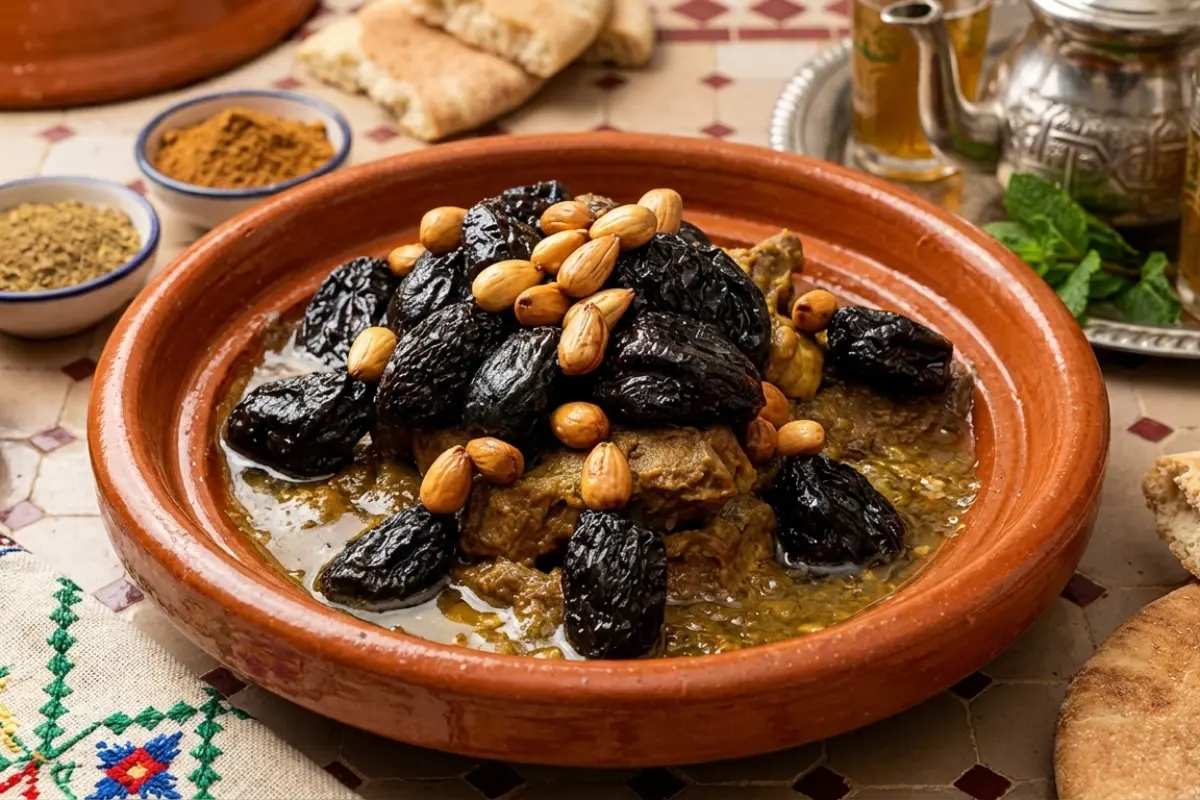
15 minOnce the lamb is perfectly tender and the sauce is reduced to ideal consistency, remove the pot from heat. Let the tagine rest, covered, for ten to fifteen minutes. This resting period allows the flavors to settle and meld, the lamb to reabsorb some of its juices, and makes serving easier. While resting, chop the remaining fresh cilantro and parsley for garnish. When ready to serve, you can either serve directly from the cooking vessel or transfer to a large serving platter. If using a platter, arrange the lamb pieces in the center, spoon the apricots and sauce generously over and around the meat, and top with the caramelized onions if you made them. Scatter the toasted almonds and sesame seeds generously over everything. Sprinkle with the fresh herbs. The presentation should be abundant and colorful - golden lamb, deep brown sauce, orange apricots, golden onions, and toasted nuts.
Tip: The resting period is important - do not skip it. Presentation matters for this festive dish - make it look abundant and beautiful. The nuts should be added just before serving so they stay crunchy.
Serve with Tradition
5 minServe the lamb tagine hot, traditionally with a large mound of fluffy steamed couscous or rice alongside to soak up the delicious sauce. The couscous should be buttered and seasoned simply so it does not compete with the complex tagine flavors. Provide individual plates and serving spoons. To serve, take a portion of lamb with some apricots, sauce, onions, and nuts, and place it over or alongside the couscous. The sweet sauce should flow into and flavor the couscous. Accompany with simple sides like cucumber and tomato salad or plain yogurt to provide cooling contrast to the rich, sweet tagine. Provide extra toasted almonds and honey on the side if desired. Traditionally, tagines are communal dishes with everyone eating from a shared plate, but individual plating is also common. Finish the meal with Moroccan mint tea to aid digestion.
Tip: Couscous or rice is essential - the grain absorbs the precious sauce and balances the richness. Simple, cooling sides provide necessary contrast. This is celebration food meant to be shared generously.
Common Mistakes to Avoid
✗ Not Browning the Lamb Properly
Fix: Browning develops deep flavor and creates fond that enriches the sauce. Skipping or rushing this step produces bland tagine. Take time to properly sear the lamb on all sides over high heat before braising.
✗ Cooking Over High Heat
Fix: Lamb requires gentle, slow braising to become tender. High heat will toughen the meat and cause the sauce to reduce too quickly. Always maintain a gentle simmer, barely bubbling, throughout the cooking process.
✗ Adding Apricots Too Early
Fix: If apricots cook for the full two hours, they will completely break down and disappear into the sauce. Add them halfway through so they plump and soften but remain recognizable as fruit.
✗ Not Using Enough Honey
Fix: Sweet tagines should taste noticeably sweet - that is their essential character. Using too little honey makes the dish bland and unbalanced. Use at least three to four tablespoons, adding more to taste if needed.
✗ Adding Nuts Too Early
Fix: If toasted almonds and sesame seeds are added during cooking, they will become soggy. Always add them just before serving so they retain their essential crunchy texture that contrasts with the tender meat.
✗ Making the Sauce Too Thin
Fix: The sauce should be thick, glossy, and syrupy, not watery. If the sauce is too thin, remove the lid during the final cooking period and let it reduce. The sauce should coat the lamb beautifully.
✗ Using Old, Stale Spices
Fix: Stale spices produce flat, dull flavors that cannot be compensated for with more spice. Always use fresh spices, particularly cinnamon and saffron, which lose potency quickly. Check dates and smell spices before using.
Ingredient Substitutions
Instead of: Lamb Shoulder
Use: Lamb leg, lamb shanks, or beef chuck all work excellently with the same cooking method and time. Chicken thighs can substitute but require shorter cooking time (about 45-60 minutes total). The sweet-savory combination adapts to various proteins.
Instead of: Dried Apricots
Use: Prunes, dried figs, dates, or golden raisins can substitute, each creating a different but delicious flavor profile. Some recipes use a mixture of dried fruits. Dried peaches work similarly to apricots.
Instead of: Almonds
Use: Pistachios, pine nuts, or walnuts can substitute for different nutty flavors. Cashews work but are less traditional. Any nut should be toasted for maximum flavor and crunch.
Instead of: Honey
Use: Date syrup or pomegranate molasses can substitute for different sweet flavor profiles, though honey is most traditional. Maple syrup works in a pinch but is not authentic. Adjust quantities to taste.
Instead of: Saffron
Use: While saffron adds unique flavor and luxury, it can be omitted or replaced with an extra pinch of turmeric for color only. The dish will still be delicious but less complex.
Serving Suggestions
Serve lamb tagine with apricots as the spectacular centerpiece of a celebration meal, mounded over fluffy steamed couscous that has been prepared with butter and salt.
Accompany with simple sides that provide cooling contrast: cucumber and tomato salad with lemon dressing, plain yogurt, or orange and olive salad.
Start the meal with Moroccan soup like harira or small salads (zaalouk, taktouka) to awaken the palate before the rich main course.
Provide extra toasted almonds and honey on the side for guests who want to adjust the sweetness or add more crunch.
Serve with plenty of Moroccan bread for sopping up the precious sauce, though couscous is the traditional accompaniment.
Follow with fresh seasonal fruit and Moroccan mint tea, which aids digestion after the rich, sweet meal.
For elegant presentation, mound couscous on a large platter, arrange the lamb on top, and cascade the apricots, sauce, and nuts over everything.
This dish pairs beautifully with Moroccan wines or cold beer, or serve traditional drinks like buttermilk or orange juice.
Leftovers are excellent - the flavors deepen overnight. Reheat gently and refresh with extra toasted nuts and herbs before serving.
Storage & Reheating
Storage
Lamb tagine with apricots actually improves in flavor after a day as the lamb continues absorbing the sweet, aromatic sauce and the flavors meld beautifully. Allow to cool completely, then transfer to an airtight container and refrigerate for up to four days. The sauce will thicken and gel slightly as it cools due to natural gelatin from the bones, which is normal and desirable. Store the toasted nuts separately in an airtight container at room temperature so they stay crunchy. For longer storage, the tagine can be frozen for up to three months in freezer-safe containers. The apricots and nuts may soften during freezing, but the flavor remains excellent.
Reheating
Reheat gently on the stovetop over low to medium-low heat, adding a few tablespoons of water or stock if the sauce has thickened too much. Stir gently and heat until warmed through, about fifteen to twenty minutes from refrigerated. The lamb may become even more tender after storage and reheating. You can also reheat individual portions in the microwave, covered, stirring halfway through. If reheating from frozen, thaw overnight in the refrigerator first. After reheating, refresh with freshly toasted almonds and sesame seeds, fresh herbs, and a drizzle of honey to restore brightness.
Many Moroccan cooks intentionally make tagine the day before serving, as the overnight rest allows flavors to deepen dramatically. Always add fresh nuts and herbs after reheating, never store them with the tagine. The sauce can be thinned with water or stock if it has thickened too much.
Frequently Asked Questions
Recipe by

Fatima El Amrani
فاطمة العمراني
Master Chef
View all recipes by Fatima →
You May Also Like
Our Ebooks

The Moroccan Vegan
$12.56

Tables of Fez: A Royal Palace Legacy
$22.99

The Soul of Morocco
$20.00
YouTube
Watch step-by-step cooking videos and learn traditional Moroccan techniques.
450+
Subscribers
150+
Videos