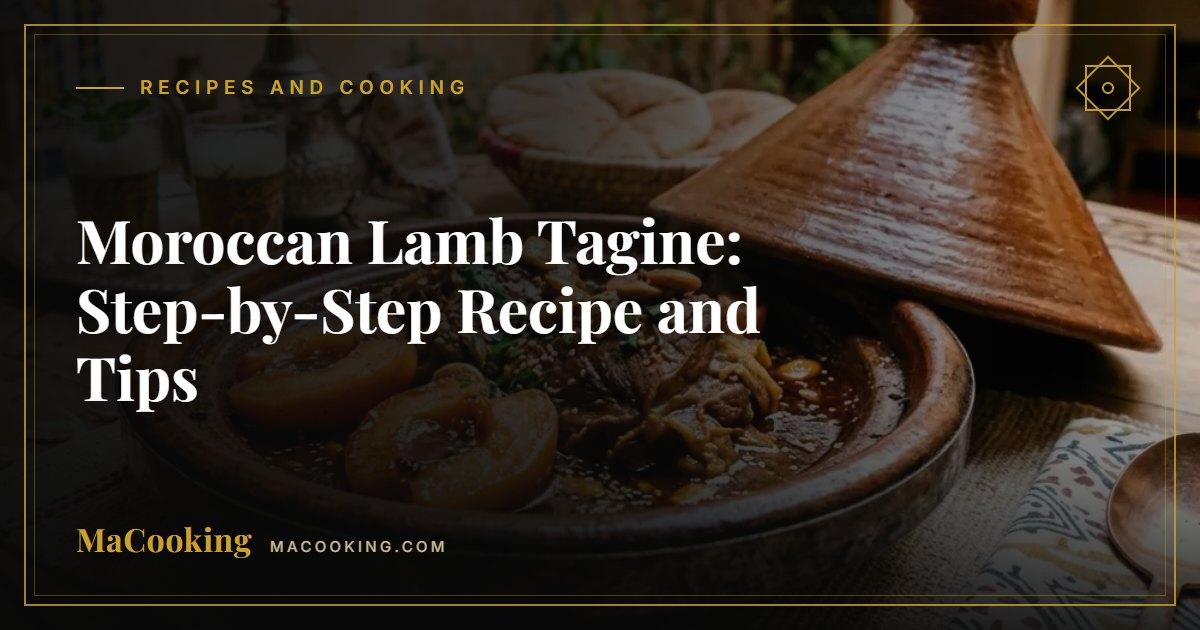
To learn how to cook Moroccan lamb tagine, season bone-in lamb shoulder with ginger, turmeric, pepper, saffron and garlic, set it over grated onions with olive oil and fresh herbs, add a little water, and simmer gently, covered, for about 2 to 2½ hours until the meat falls from the bone and the sauce turns glossy.
Key Takeaways
- Choose bone-in lamb shoulder, neck or shanks. Their fat and collagen make a rich, silky sauce.
- Use onions generously and very little water. The meat and onions release most of the liquid.
- Keep the heat low. A gentle simmer or a 160°C (325°F) oven beats a hard boil every time.
- No tagine pot? A heavy Dutch oven with a tight lid works well.
- Finish by reducing the sauce uncovered, then add olives, preserved lemon, or fruit to suit your variation.
What Makes Moroccan Lamb Tagine Different From Other Lamb Stews?
A Moroccan lamb tagine is a slow-cooked stew named after the conical earthenware dish it is traditionally made in. Its character comes from the way it is built rather than from a long ingredient list. The onions go in generously, the spices are warm rather than hot, and the liquid is kept to a minimum so the sauce ends up concentrated and almost jammy instead of thin and soupy. The tagine is both the cooking vessel and the name of the dish.
Compared with a European lamb stew, there is usually no flour, no wine, and no long list of vegetables simmered in a large volume of stock. Instead you get layers of flavor: ginger and turmeric for earthy warmth, black pepper for bite, saffron for fragrance, and fresh cilantro and parsley added with the meat or near the end. From that base, cooks branch out into sweet-savory versions with prunes, apricots or quince, or into savory ones with olives and preserved lemon.
This article gives you a dependable base recipe for a classic, savory lamb tagine, then shows you how to turn it into the well-known fruit variations. If you want a deeper look at technique, our complete guide to cooking Moroccan tagine professionally covers heat control and layering in more detail.
Which Cut of Lamb Is Best for Tagine?
The cut matters more than almost any other decision. Tagine rewards cuts with bone, fat and connective tissue, because long, gentle cooking turns them tender and gives the sauce body. Very lean meat tends to dry out before the sauce develops.
| Cut | Texture after cooking | Approx. cooking time (stovetop or oven) | Notes |
|---|---|---|---|
| Bone-in shoulder | Tender, juicy, rich sauce | 2 to 2½ hours | Best all-rounder; ask the butcher to cut it into large chunks |
| Neck slices | Very tender, gelatinous | 2 to 2½ hours | Inexpensive and full of flavor |
| Shanks | Falling-off-the-bone, sticky | 2½ to 3 hours | Impressive for serving; use one per person |
| Breast or ribs | Soft, fatty, deeply flavored | 2 hours | Skim excess fat before serving |
| Leg (boneless) | Leaner, can turn dry | 1½ to 2 hours | Combine with a fattier cut or reduce the time |
Cut the meat into pieces about 5 to 6 cm (2 to 2½ inches) across. Smaller cubes cook faster but can break apart and lose their juiciness. Leave the bones in; they add flavor and help the sauce set to a velvety texture.
What Ingredients Do You Need for Moroccan Lamb Tagine?
This base recipe serves 6 and needs only ordinary supermarket ingredients, plus saffron if you can get it.
For the lamb
- 1.5 kg (3 lb 5 oz) bone-in lamb shoulder, neck or a mix, cut into large pieces
- 2 large onions (about 500 g / 1 lb), grated or very finely chopped
- 4 garlic cloves, crushed
- 4 tbsp olive oil (add 1 tbsp smen, Moroccan fermented butter, if you have it)
- 1 tsp ground ginger
- 1 tsp ground turmeric
- 1 tsp sweet paprika
- 1 tsp ground cumin
- ½ tsp freshly ground black pepper
- 1 tsp fine sea salt, adjusted at the end
- A generous pinch of saffron threads (about 15 threads), crushed and soaked in 2 tbsp warm water
- 1 cinnamon stick
- Small bunch of cilantro and flat-leaf parsley, tied together with kitchen string
- About 250 ml (1 cup) water, plus extra if needed
To finish (choose one)
- Olive and preserved lemon: 150 g (1 cup) green or violet olives, rinsed, and ½ preserved lemon, pulp discarded and rind sliced.
- Prunes and almonds: 250 g (1½ cups) pitted prunes, 1 tbsp honey, and 60 g (½ cup) toasted almonds.
Preserved lemons are easy to make at home and make a real difference to savory tagines; our step-by-step preserved lemon guide shows how.
Substitutions for a Western pantry
| If you do not have... | Use... | What changes |
|---|---|---|
| Tagine pot | Heavy Dutch oven or casserole with a tight lid | Slightly more evaporation; check liquid once or twice |
| Saffron | Extra ½ tsp turmeric for color | Color is kept, but the floral aroma is lost |
| Smen | Salted butter, or just olive oil | Less funky depth, still delicious |
| Preserved lemon | Zest of 1 lemon plus a pinch of extra salt, added at the end | Brighter and less fermented in flavor |
| Fresh cilantro or parsley | Use more of the one you have; skip dried herbs | Dried herbs taste dusty in this dish |
| Ground spices | Ras el hanout, 1½ tsp in place of cumin and paprika | More complex and floral; blends vary in salt and heat |
How to Cook Moroccan Lamb Tagine Step by Step
Allow 20 minutes of preparation and about 2½ hours of cooking. Most of that time is hands-off.
- Marinate briefly. In a large bowl, toss the lamb with the garlic, ginger, turmeric, paprika, cumin, pepper, salt and half the olive oil. Add the saffron and its soaking water. Mix well and leave for 30 minutes at room temperature, or overnight in the refrigerator for deeper flavor.
- Make the onion bed. Spread the grated onions across the base of your tagine or Dutch oven with the remaining oil. If using a clay tagine, place a heat diffuser underneath and start on low heat so the clay does not crack.
- Add the meat. Arrange the lamb on top of the onions, bones down where possible. Tuck in the cinnamon stick and the herb bundle. Pour in 250 ml of water around the edges, not over the meat, so the spices stay on the lamb.
- Bring to a gentle simmer. Cover and heat slowly until you see a few bubbles and hear a quiet murmur. This can take 10 to 15 minutes. Lower the heat to the minimum that keeps it simmering.
- Cook low and slow. Simmer for 2 to 2½ hours, lifting the lid only two or three times to turn the meat and check the liquid. If the pan looks dry, add 60 to 100 ml of hot water. Do not drown the meat; the onions should melt into the sauce.
- Test for doneness. The lamb is ready when a fork slides in with no resistance and the meat begins to separate from the bone. If it still feels springy, give it another 20 to 30 minutes.
- Add the finishing ingredients. Remove the herb bundle and cinnamon stick. For the olive version, stir in the olives and preserved lemon rind and simmer 10 minutes. For the prune version, see the notes below.
- Reduce the sauce. Take off the lid and simmer for 10 to 20 minutes until the sauce is thick, glossy, and clings to the meat. Skim any excess surface fat with a spoon. Taste and adjust the salt, adding a squeeze of lemon if the dish feels heavy.
- Rest and serve. Let the tagine sit, covered, for 10 minutes. Serve straight from the pot with good bread to scoop up the sauce.
Can You Make Lamb Tagine Without a Tagine Pot?
Yes. A clay tagine is lovely, but what truly matters is low, steady heat and a lid that holds moisture. These are the most reliable alternatives:
- Dutch oven on the stovetop: Follow the recipe as written, keeping the burner on its lowest setting. A heat-diffusing plate can help if your hob runs hot.
- Oven method: Assemble in an ovenproof casserole, cover tightly, and cook at 160°C (325°F / gas mark 3) for 2½ hours. Uncover for the last 20 minutes to reduce the sauce.
- Pressure cooker: Cook at high pressure for 40 to 45 minutes, using about 150 ml of water, then release pressure naturally. Simmer uncovered to thicken. The sauce is a little less layered but still good on a weeknight.
- Slow cooker: Cook on low for 7 to 8 hours. Reduce the sauce in a wide pan afterward, since slow cookers trap steam and leave it thin.
If you are new to clay cookware, remember to season a new tagine according to the maker's instructions, avoid sudden temperature changes, and never put a cold pot onto a hot burner.
How Do You Turn It Into Lamb Tagine With Prunes, Quince or Apricots?
The base method above is the starting point for the sweet-savory tagines that many people associate with Moroccan celebrations. Once the lamb is tender, you change only the finishing step.
- Prunes and almonds: Simmer the pitted prunes in a little water with 1 tbsp honey and a pinch of cinnamon for 15 minutes, then spoon them over the lamb with toasted almonds. Our lamb tagine with prunes and almonds walks through the full method.
- Quince: Peel, core and quarter the quince, then cook it until tender in the tagine juices with a spoonful of honey. See our lamb tagine with quince and honey for the details.
- Apricots: Use dried apricots in place of prunes and finish with toasted almonds. The sauce stays a little brighter and tangier.
- Potatoes and cilantro: Add thick potato slices on top of the meat for the last 40 minutes, with extra herbs. Our other lamb tagine recipes on the all Moroccan recipes page cover this classic everyday style.
For a richer, spicier-sweet variation with caramelized onions and raisins, look for Mrouzia, the traditional lamb stew linked to festive meals, in the recipe collection as well.
What Are the Most Common Mistakes When Making Lamb Tagine?
- Using too much water. This leads to a boiled, diluted flavor. Start with 250 ml and add only if the pot looks dry.
- Cooking too hot. Hard boiling toughens the meat and scorches the onions. A quiet simmer is the goal.
- Cutting the lamb too small. Tiny cubes dry out. Keep the pieces large and leave the bones in.
- Lifting the lid constantly. This releases steam and slows cooking. Check only a few times.
- Skipping the reduction. A thin sauce lacks the glossy finish of a real tagine. Uncover and simmer at the end.
- Salting too heavily at the start. Olives and preserved lemons add salt later. Season lightly first, then adjust.
- Adding fruit too early. Prunes and apricots turn to mush in a long cook. Add them in the last 15 to 20 minutes.
- Not tasting at the end. A squeeze of lemon, a pinch of salt, or fresh herbs can lift a flat sauce right before serving.
How Should You Serve and Store Lamb Tagine?
Serve the tagine hot, directly from the pot, with Moroccan bread (khobz) or any crusty loaf. In Morocco, people often eat from the shared dish using bread rather than cutlery. Couscous or plain rice work too, though many cooks feel bread suits the thick sauce best. A simple tomato and cucumber salad or a carrot salad with cumin brings freshness on the side.
Storage: Cool the tagine within two hours and refrigerate in a sealed container for up to 3 days. Reheat gently on the stove with a splash of water, covered, until steaming hot. It freezes for up to 3 months; if you plan to freeze it, leave out the potatoes, which turn grainy after thawing.
If you have meat left over from a larger celebration, our post on what to do with leftover Eid lamb offers more ideas for using it.
Frequently Asked Questions
How long does Moroccan lamb tagine take to cook?
Bone-in lamb shoulder needs about 2 to 2½ hours of gentle simmering on the stovetop or in a 160°C (325°F) oven. A pressure cooker cuts this to roughly 40 to 45 minutes at pressure. The meat is ready when it pulls easily from the bone with no resistance from a fork.
Do I need a clay tagine pot to make lamb tagine?
No. A clay tagine gives gentle, even heat and a lovely presentation, but a heavy Dutch oven or casserole with a tight lid produces excellent results. Keep the heat low, avoid lifting the lid too often, and reduce the sauce uncovered at the end if it is too thin.
Which cut of lamb is best for tagine?
Bone-in shoulder is the most forgiving choice because its fat and connective tissue melt into a rich sauce. Neck, shanks and breast ribs also work well. Lean leg meat can turn dry and stringy in a long braise, so it suits shorter cooking or should be mixed with a fattier cut.
Should I brown the lamb before making tagine?
It is optional. Many traditional Moroccan home recipes simmer the meat directly with onions, oil and spices, producing a paler, silkier sauce. Browning first gives a deeper, roasted flavor that some Western cooks prefer. Either approach works as long as the cooking stays slow and gentle.
How do I thicken the sauce of a lamb tagine?
Do not add flour or cornstarch. Remove the lid for the last 15 to 20 minutes and let the sauce reduce over low heat until it turns glossy and clings to the meat. The grated onions also break down during cooking and naturally give the sauce body.
Can I make lamb tagine ahead of time?
Yes, and it often tastes better the next day as the spices settle. Cool it within two hours, refrigerate in a sealed container for up to three days, and reheat gently with a splash of water. It also freezes well for up to three months, without potatoes.
Conclusion
Knowing how to cook Moroccan lamb tagine comes down to a few habits: choose a bone-in cut, build the dish on a bed of onions, use little water, and keep the heat low until the meat is completely tender. From that one method you can make olive and preserved lemon versions, prune and almond versions, or quince in autumn. Start with the base recipe, trust the slow simmer, and browse our collection of Moroccan recipes when you are ready to try the next variation.