
Introduction
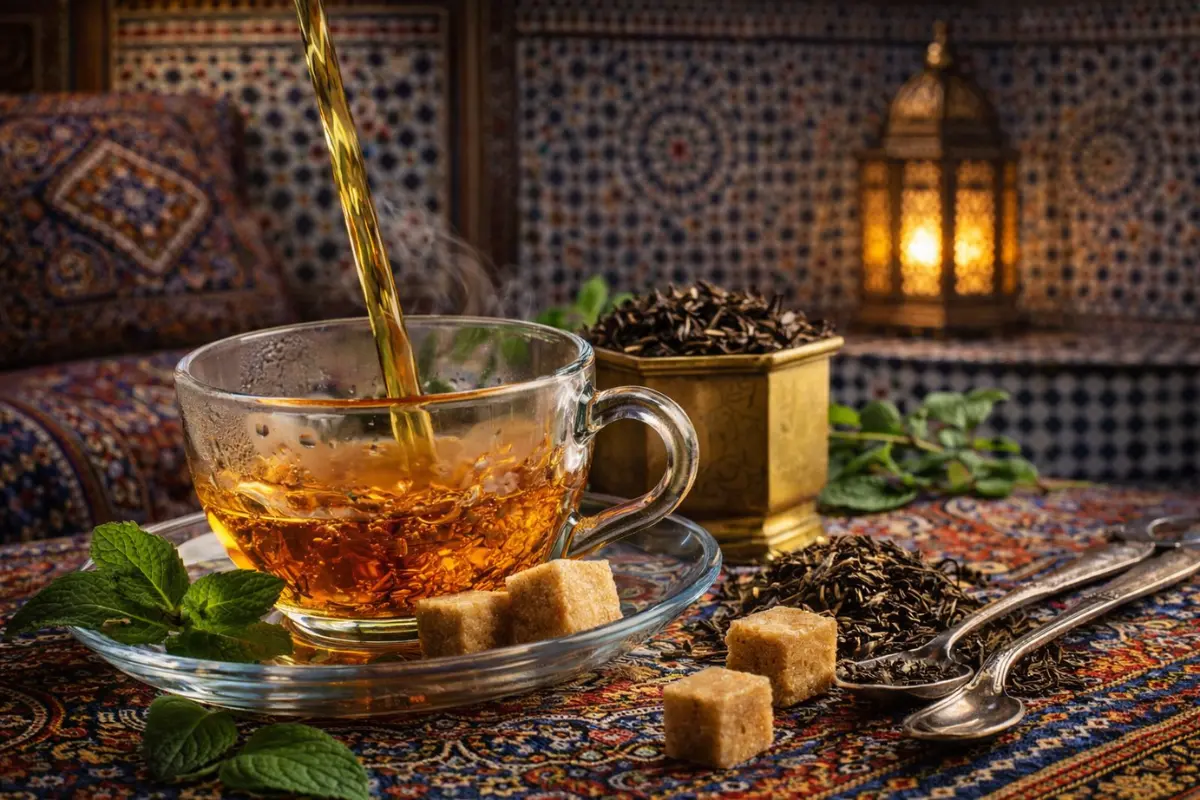
Za'atar Tea, made from wild oregano (Origanum vulgare subsp. gracile), is one of Morocco's most respected herbal infusions, carrying centuries of medicinal tradition in its small, fragrant leaves. In Morocco, 'za'atar' refers not to the spice blend familiar in Levantine cuisine, but to the wild oregano plant itself—a hardy perennial that thrives in mountainous regions, developing intense flavor and therapeutic compounds in response to harsh conditions.
This tea is renowned for its potency: a strong, earthy flavor with peppery, slightly bitter notes and a lingering warmth that spreads through the body. Traditionally, it's consumed not as a casual beverage but as a purposeful herbal medicine—for digestive issues, respiratory conditions, menstrual cramps, or simply to 'cleanse the blood' in springtime detox rituals. The preparation is deliberate: wild-harvested leaves are dried carefully to preserve their volatile oils, then steeped in precise quantities to balance efficacy with palatability.
Drinking Za'atar tea is an experience that connects you to Morocco's rugged landscapes. The aroma alone evokes sun-baked mountain slopes and wild herbal meadows. In Berber communities, gathering za'atar is often a family activity, with knowledge passed down about which hillsides yield the most potent plants. Today, this tea represents both cultural heritage and practical wisdom—a natural remedy that has survived modernization because it simply works, offering complex flavors and tangible benefits in each steaming cup.
About This Recipe
Za'atar Tea's history is deeply intertwined with Berber (Amazigh) foraging traditions and Islamic herbal medicine. The wild oregano plant has grown in North Africa's mountains for millennia, and indigenous communities discovered its medicinal properties through centuries of observation. The name 'za'atar' appears in ancient Semitic languages and was adopted into Arabic, suggesting very old usage. During the Islamic Golden Age, physicians like Al-Razi and Ibn Sina documented oregano's uses, which merged with existing Berber knowledge. In Morocco, za'atar harvesting became ritualized—certain mountains were known for superior quality, harvest times were tied to lunar cycles, and drying methods were carefully guarded family knowledge. The tea was particularly valued by nomadic and mountain communities who had limited access to physicians. French botanists in the colonial period documented Moroccan za'atar's unique chemical profile. Today, it represents living heritage: rural women still harvest it using traditional methods, urban Moroccans seek it from herbalists for natural remedies, and scientific studies confirm its antimicrobial properties. Its continued use bridges ancient wisdom and modern wellness, representing both cultural identity and practical healthcare in a country where traditional medicine remains vibrantly alive alongside modern practices.
Nutritional Info (per serving)
Recipe Tags
Understanding the Ingredients
Wild Oregano (Za'atar)
True Moroccan za'atar is Origanum vulgare subspecies gracile, which differs from Mediterranean oregano in its more intense, slightly minty flavor and higher thymol/carvacrol content. The wild plants have smaller, darker leaves with purple stems. Dried za'atar should retain some flexibility, not crumble to dust, and have a strong aroma when crushed. Quality is determined by origin—Middle Atlas and Rif Mountain varieties are most prized. Unlike culinary oregano, za'atar for tea includes stems and sometimes flowers, which contain additional compounds.
Dried Wild Thyme (Optional)
In some regions, a small amount of wild thyme (flio) is blended with za'atar, creating a more complex herbal profile. The thyme should be added in a 1:4 ratio (thyme to za'atar) to avoid overpowering the oregano's distinctive character. This combination enhances the tea's respiratory and digestive benefits while softening za'atar's intensity. The two herbs are often found growing together in the wild, making this blend naturally harmonious.
Honey (Essential)
Due to za'atar's natural pungency and slight bitterness, honey is not just a sweetener but a necessary balancing agent. Thyme honey or mountain wildflower honey are ideal—their floral notes complement za'atar's earthiness. The honey also adds its own antimicrobial properties, creating synergy. For medicinal tea, raw, unfiltered honey is preferred. The amount can vary based on tolerance to bitterness, but typically 1-2 teaspoons per cup.
Lemon
Fresh lemon juice or a thin slice is almost always added, especially when the tea is taken for sore throats or colds. The acidity brightens the herbal flavors and enhances za'atar's antimicrobial properties. Vitamin C also increases absorption of certain compounds. Lemon should be added after straining to preserve its fresh qualities and prevent bitterness from the peel.
Optional Digestive Seeds
Some traditional recipes include a few anise or fennel seeds to counteract za'atar's potential stomach irritation for sensitive individuals. These should be lightly crushed and added in very small quantities (½ teaspoon per liter maximum) so as not to dominate the flavor. This addition is more common in urban preparations than in mountain traditions.
Step-by-Step Cooking Guide
Prepare Wild Za'atar
Measure 4-5 tablespoons of dried wild za'atar (oregano). If using whole sprigs, gently crush them between your palms—you should hear a satisfying crunch and release intense aroma. Remove any thick woody stems but keep smaller stems as they contain flavor. If blending with wild thyme, add 1 tablespoon now. For optional digestive seeds, add ½ teaspoon lightly crushed anise or fennel seeds.
Tip: Crushing is essential to release volatile oils but don't pulverize—you want clear tea, not cloudy. Quality za'atar should make your fingers fragrant. If using fresh za'atar, use 3 times the amount (12-15 tablespoons) as fresh is less concentrated.
Boil Water and Warm Vessel
Bring 1 liter (4 cups) of filtered water to a full rolling boil. Wild oregano requires boiling water (100°C/212°F) to properly extract its tough leaves and medicinal compounds. While water heats, warm your teapot (clay is traditional) by swirling hot water inside for 30 seconds, then discarding. This prevents thermal shock and maintains brewing temperature.
Tip: Spring or mountain water enhances flavor. If using tap water, boil for 2 minutes to evaporate chlorine. The pot warming is especially important for clay vessels to prevent cracking.
Steep with Precision
Place prepared za'atar in warmed pot. Pour boiling water directly over herbs. Immediately cover with lid. Let steep for 7-10 minutes—set a timer. For medicinal strength, steep 10-12 minutes. Do not stir during steeping. The water will turn deep amber with reddish undertones and release a powerful herbal aroma that fills the room.
Tip: Covering traps essential oils that would evaporate. 7 minutes yields aromatic tea; 10 minutes maximizes medicinal properties; beyond 12 becomes very bitter. Taste at 8 minutes to find your preference.
Strain and Add Honey
Using a fine mesh strainer lined with cheesecloth if available, strain the tea into cups or a serving pitcher. Press gently on herbs to extract liquid but don't mash. While tea is hot (but not boiling), add 1-2 teaspoons of honey per cup, stirring until completely dissolved. Taste—the honey should balance but not mask za'atar's distinctive flavor.
Tip: Strain carefully as small particles can make tea gritty. Add honey when tea has cooled slightly (around 60°C/140°F) to preserve raw honey's enzymes. For strong medicinal tea, some prefer it unsweetened.
Add Lemon and Serve
Add a thin slice of lemon or a squeeze of fresh juice to each cup. For presentation, float a small fresh za'atar sprig or flower if available. Serve immediately in small glasses (Moroccan tea glasses or espresso cups). Za'atar tea is potent—traditional servings are ½ to ¾ cup. Provide a glass of water on the side.
Tip: Lemon enhances both flavor and benefits. Small servings are intentional—this is medicinal. The water helps cleanse palate and prevent dehydration as za'atar has diuretic properties.
Second Infusion (Traditional Practice)
Moroccan herbal economy: add another liter of boiling water to the used za'atar in the pot. Steep for 12-15 minutes. This yields a milder, still-beneficial tea that's often consumed later or shared. The second infusion has less bitterness and more subtle herbal notes, sometimes preferred by those new to za'atar tea.
Tip: Second steep retains digestive and antioxidant properties with gentler flavor. Some add fresh mint or lemon verbena to second infusion for variation. Compost herbs after second use.
Common Mistakes to Avoid
❌ Using Culinary Oregano Instead of Wild Za'atar
Solution: Culinary oregano (Origanum vulgare or Origanum marjoram) lacks the potency and complexity of wild Moroccan za'atar. Seek authentic wild za'atar from specialty suppliers. If substituting, use 1.5 times the amount and expect different flavor profile.
❌ Insufficient Steeping Time
Solution: Za'atar needs 7-10 minutes to release its full spectrum of compounds. Under-steeped tea tastes weak and watery with minimal medicinal benefit. Set a timer—don't guess. Less than 5 minutes yields disappointing results.
❌ Not Adding Honey
Solution: Za'atar's natural bitterness can be challenging without sweetener. Honey balances while adding therapeutic properties. If avoiding sweeteners, try blending with milder herbs or steeping for only 5-6 minutes.
❌ Using Powdered Za'atar
Solution: Powdered za'atar creates cloudy, gritty tea with unbalanced flavor release and sediment. Always use whole or large broken leaves. Powdered herbs also lose volatile oils faster during storage.
❌ Serving Large Quantities
Solution: Za'atar tea is medicinal and potent. Traditional servings are small (½-¾ cup). Drinking large mugs can lead to stomach discomfort or excessive diuretic effect. Respect its potency with modest servings.
Ingredient Substitutions
Instead of: Wild Moroccan Za'atar
Use: Greek mountain oregano (closest), Turkish oregano, or Lebanese za'atar herb (similar but not identical). Culinary oregano works but use 1.5x amount and expect milder flavor.
Instead of: Honey
Use: Date syrup (authentic Moroccan), maple syrup, or stevia for sugar-free. Sugar works but lacks honey's therapeutic synergy. Avoid artificial sweeteners—they clash with herbal notes.
Instead of: Fresh Lemon
Use: Orange slice (sweeter), lime wedge (more tart), or a drop of lemon essential oil (food grade). Sumac powder (¼ tsp) adds tang without citrus.
Instead of: Wild Thyme
Use: Regular thyme (use ½ amount), savory, or marjoram. Each creates different blend character.
Serving Suggestions
Serve after heavy, meat-based meals to aid digestion—this is its most common traditional use.
During respiratory illness, serve with extra honey and lemon, inhaling the steam before drinking.
Accompany with plain olives and whole grain bread—the salty-fatty combination complements za'atar's pungency.
Serve in tiny decorative glasses as part of a Moroccan herbal tea ceremony with sage and verbena teas.
For menstrual discomfort, serve warm with extra honey and a pinch of cinnamon.
Pair with fresh goat cheese or labneh—za'atar's robustness cuts through dairy richness beautifully.
Storage & Reheating Guide
Storage
Dried za'atar: store in airtight glass jar in cool, dark place up to 1 year. Brewed tea: refrigerate up to 2 days in glass container. Flavor diminishes after 24 hours.
Reheating
Reheat gently on stovetop until warm (not boiling). Microwave in short bursts. Do not reboil—it destroys delicate compounds and increases bitterness. Add fresh lemon after reheating.
Tips: For medicinal use, brew fresh. The volatile oils degrade quickly. If storing brewed tea, don't add lemon or honey until serving. Freezing not recommended.
Frequently Asked Questions
Recipe by

Similar Recipes


Our Recipe Ebooks
Discover our collection of authentic Moroccan recipe ebooks. Learn traditional cooking methods and create delicious meals at home.
The Moroccan Vegen
The Royal Moroccan Table -Part1
The Royal Moroccan Table -Part2
YouTube Channel
Watch step-by-step cooking videos, learn professional techniques, and get inspired by traditional and modern recipes from around the world.
Latest Video
"Traditional Moroccan Tagine Masterclass"