
Introduction
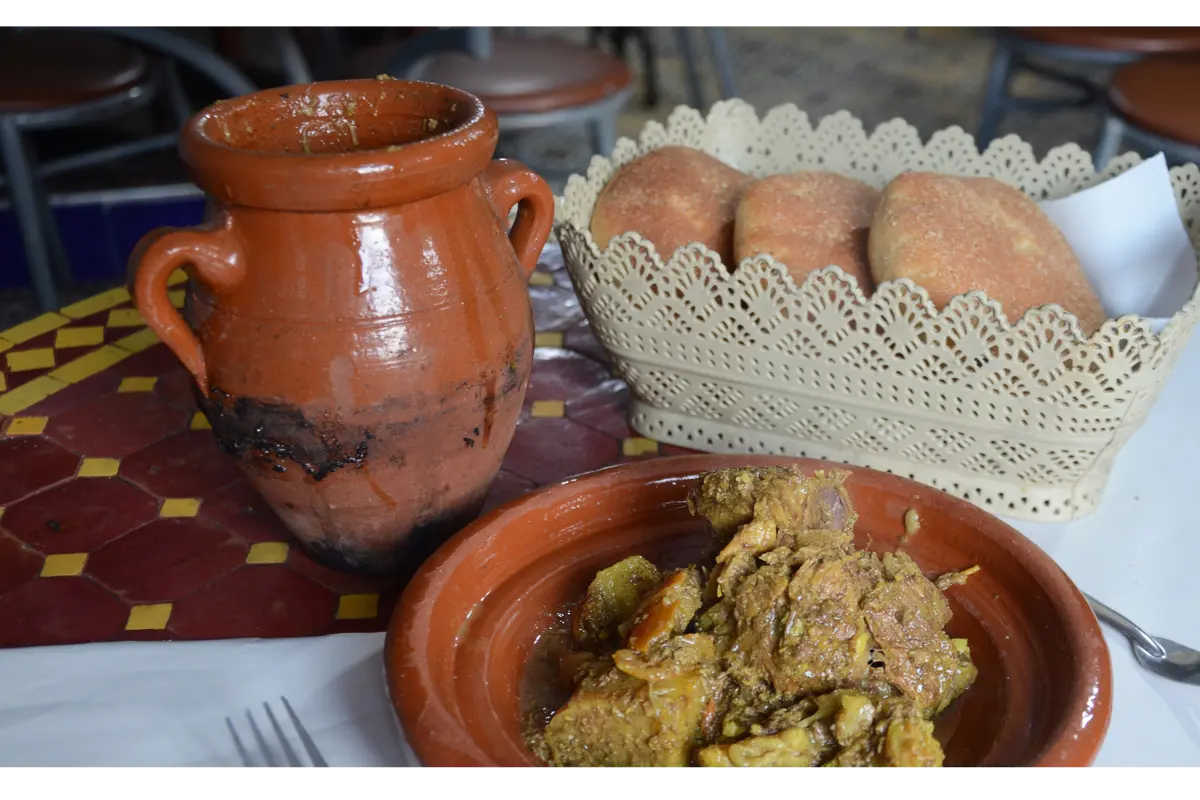
Tanjia Marrakchia stands as one of Morocco's most unique and legendary dishes - a masculine, rustic specialty from the red city of Marrakech that has been prepared the same way for centuries. Unlike the more common tagine cooked in a shallow clay pot on the stovetop, tanjia is prepared in a tall, urn-shaped clay vessel that is traditionally sealed with parchment paper and buried in the dying coals of a hammam (public bath) furnace, where it slow-cooks for five to six hours until the meat becomes so tender it dissolves on the tongue. This ancient cooking method, passed down through generations of Marrakchi men, creates meat with an incomparably silky texture and deeply concentrated flavors that cannot be replicated through any other technique.
The name 'tanjia' refers both to the dish and the distinctive clay pot in which it is cooked - a narrow-necked amphora with a bulbous bottom that allows for slow, even cooking with minimal liquid evaporation. Traditionally, tanjia is considered a bachelor's dish or a meal prepared by groups of men for special gatherings, picnics, or celebrations. The reason is both practical and cultural: the simple preparation requires only chopping ingredients and assembling them in the pot, with no stirring or monitoring needed during the long cooking. Men would prepare their tanjia in the morning, seal it, and deliver it to the neighborhood hammam keeper (fernatchi), who would bury it in the hot coals and ashes where the hammam fires had been burning all morning. Hours later, the men would return to retrieve their tanjia, now containing meat so tender it falls apart at the slightest touch, bathed in its own rich, gelatinous juices flavored with preserved lemons, garlic, and aromatic spices.
What makes tanjia extraordinary is its minimalism - unlike elaborate tagines with numerous ingredients, tanjia relies on just a few high-quality components: excellent meat (beef or lamb), generous amounts of garlic, preserved lemons, smen (preserved butter), cumin, and saffron. No onions, no tomatoes, no vegetables - just meat and seasonings, allowing the quality of the ingredients to shine. The magic happens during the impossibly slow cooking in the sealed pot, where the meat essentially braises in its own juices, becoming concentrated, rich, and infused with the perfume of preserved lemons and spices. The result is unlike anything else - meat so tender you can eat it with a spoon, with a flavor that is simultaneously bold yet refined, rustic yet sophisticated.
About This Recipe
Tanjia Marrakchia is perhaps the most iconic dish of Marrakech, with a history as fascinating as its flavor. This bachelor's dish emerged from the practical realities of urban life in the red city centuries ago. The cooking method - burying sealed pots in hammam coals - developed because many homes lacked proper cooking facilities, but every neighborhood had a public bath with its massive furnaces burning constantly to heat water. The hammam keeper (fernatchi) became an essential figure in the community, not only maintaining the baths but also cooking tanjia for local men. Groups of bachelors or married men escaping domestic duties would prepare their tanjia pots in the morning, often competing to see who could assemble the best combination of meat and seasonings. They would take their sealed pots to the hammam, where the fernatchi would bury them in the hot coals and ashes left from heating the morning bath water. Hours later, after work or socializing, the men would return to collect their tanjia, now containing meat transformed into silk. The dish became associated with male gatherings, picnics, and celebrations - a simple preparation that required no cooking skill or attention, yet produced spectacular results. The tradition continues today in Marrakech, where some hammams still cook tanjia for customers, though modern gas and electric ovens have made home preparation possible. Tanjia represents Marrakech's culinary soul - resourceful, communal, masculine, and deeply rooted in the city's daily rhythms. The dish remains largely unknown outside Marrakech and southern Morocco, making it a special secret of the red city. When Marrakchis travel, they long for tanjia in a way that transcends simple food craving - it represents home, tradition, and the unique character of their city. The sight of men carrying their sealed tanjia pots through the medina streets, heading to or from the hammam, remains a living tradition connecting modern Marrakech to its centuries-old past.
Nutritional Info (per serving)
Recipe Tags
Understanding the Ingredients
Beef or Lamb
The foundation of tanjia requires excellent quality beef or lamb that can withstand five to six hours of slow cooking while becoming meltingly tender rather than dry. Beef shank, chuck, or short ribs work beautifully, as do lamb shoulder or neck. These cuts contain enough connective tissue, fat, and collagen to break down during the extended cooking, creating silky, gelatinous texture. You will need approximately three pounds of meat for a traditional tanjia serving six people. The meat should be cut into large chunks - about three to four inches - rather than small pieces. Large chunks prevent the meat from disintegrating completely and provide satisfying portions when serving. Quality matters tremendously in tanjia because there are so few ingredients to hide behind - the meat must be flavorful and well-marbled. Many Marrakchis insist on beef for authentic tanjia, particularly beef shank for its gelatinous quality, though lamb is equally traditional.
Garlic
Garlic is used in astonishing quantities in tanjia - an entire bulb or more for three pounds of meat. This is not a subtle dish when it comes to garlic. The cloves are peeled and added whole or coarsely chopped, not minced. During the long, slow cooking, the garlic loses its harsh bite and becomes sweet, soft, and aromatic, infusing the meat and its juices with deep, savory flavor. The generous garlic is part of what gives tanjia its distinctive character - bold, masculine, and unapologetic. Fresh garlic is essential; dried or powdered garlic cannot provide the same depth of flavor or texture. The garlic cloves essentially melt into the cooking liquid, creating a rich, aromatic sauce.
Preserved Lemons
Preserved lemons are absolutely essential to authentic tanjia - their unique, tangy, slightly bitter, intensely lemony flavor is irreplaceable and defines the dish. You will need two to three preserved lemons, quartered, with the pulp removed if desired (traditionally only the peel is used, as it becomes soft and edible during preservation). The preserved lemons add brightness and complexity that balances the rich meat and prevents the dish from being heavy. They also contribute salt, so be careful when seasoning. If you cannot find preserved lemons, making them takes only a few weeks, or look for jarred versions at Middle Eastern or specialty markets. Fresh lemons cannot substitute - the flavor is completely different. The preserved lemons' fermented, slightly funky character is essential to the authentic taste of tanjia.
Smen (Preserved Butter)
Smen is traditional Moroccan preserved butter that has been aged with herbs, developing a distinctive funky, cheese-like flavor that Moroccans adore. For tanjia, smen adds richness and a characteristic aged, complex taste that elevates the dish. You will need about quarter cup of smen. If unavailable, use ghee (clarified butter) or regular unsalted butter, though the flavor will lack the traditional funk. The smen melts during cooking, enriching the meat and creating a glossy, flavorful cooking liquid. Some traditional recipes use only smen with no added oil, allowing the meat's own fat and the smen to create the cooking liquid. The quality and amount of fat is important in tanjia - this is not a lean dish but rather one that celebrates rich, succulent meat.
Spice Blend
Unlike many Moroccan dishes that use complex spice blends, tanjia keeps it simple: cumin and saffron are the primary spices, with perhaps a bit of ground ginger and black pepper. Ground cumin provides earthy, warm depth without overwhelming the other flavors. Saffron adds luxurious floral notes and golden color. The spicing in tanjia is deliberately restrained - the focus remains on the quality of the meat, the preserved lemons, and the cooking method. About two teaspoons of cumin and a generous pinch of saffron threads (fifteen to twenty threads) work well. Some versions include a bay leaf or small cinnamon stick for additional aromatics. The spices should enhance, not dominate - tanjia's beauty lies in its simplicity.
Salt and Water
Salt is crucial for seasoning the meat, though you must account for the saltiness of the preserved lemons and smen. The meat itself should be well-seasoned before cooking. Very little water is added - perhaps half a cup or less - because the meat releases its own juices during the long cooking, and the sealed pot prevents evaporation. Traditional tanjia relies almost entirely on the meat's own moisture, with just enough water to get the cooking started. Too much liquid dilutes the flavors rather than concentrating them. The goal is meat that has essentially braised in its own juices, becoming concentrated and intensely flavored.
Step-by-Step Cooking Guide
Prepare the Meat and Ingredients
Begin by cutting three pounds of beef shank, chuck, short ribs, or lamb shoulder into large chunks approximately three to four inches in size. Do not trim away all the fat - you want well-marbled meat with some fat for flavor and moisture. Pat the meat pieces dry with paper towels. Peel all the cloves from one to two large bulbs of garlic - you should have fifteen to twenty cloves. Leave them whole or cut them in half; do not mince. Rinse two to three preserved lemons under cold water, quarter them, and remove the pulp if desired, keeping only the peel. Have your smen ready (about quarter cup) or substitute with ghee or butter. Measure your spices: two teaspoons of ground cumin, a generous pinch of saffron threads, half a teaspoon of ground ginger, and half a teaspoon of black pepper. Having everything prepared before assembly is important.
Tip: Choose meat with good marbling and connective tissue for the best texture after long cooking. Do not cut the meat too small - large chunks are traditional and provide better texture.
Season and Assemble in the Tanjia Pot
If you have a traditional clay tanjia pot, use it. If not, use a deep, heavy earthenware pot, Dutch oven, or heavy clay pot with a narrow opening and tight-fitting lid. Place the meat chunks in the pot. Add all the garlic cloves, distributing them among the meat. Add the preserved lemon quarters. Add the smen (or butter), breaking it into chunks if solid. Sprinkle the cumin, saffron threads, ground ginger, black pepper, and about one teaspoon of salt over everything. Using your hands or a large spoon, mix everything together thoroughly, ensuring the spices coat all the meat and the ingredients are well distributed. Add just half a cup of water - no more. The sealed pot and long cooking will create sufficient liquid from the meat's own juices. Pack everything down gently but do not compress too tightly. The pot should be about three-quarters full, leaving space at the top.
Tip: Be generous with the garlic and spices - the long cooking mellows and distributes the flavors. Do not add too much water; the meat will release its own juices creating the cooking liquid.
Seal the Pot
Traditional tanjia is sealed with parchment paper or even newspaper, tied tightly around the neck of the pot with kitchen string to prevent steam from escaping during the long cooking. This seal is crucial - it traps all the moisture and flavors inside, allowing the meat to essentially steam-braise in its own concentrated juices. If using a Dutch oven or pot with a tight-fitting lid, you can simply use the lid, though wrapping the junction with foil provides extra insurance against steam loss. Some traditionalists also seal the lid with a flour-water paste. The key is preventing any steam from escaping during the hours of cooking - every drop of moisture and flavor must stay inside the pot.
Tip: Make sure the seal is tight. If steam escapes during cooking, the meat can dry out and the magical concentration of flavors will not occur. Test the seal before cooking.
Traditional Hammam Cooking (or Oven Alternative)
Traditionally, the sealed tanjia pot is buried in the hot coals and ashes of a hammam furnace, where it cooks for five to six hours in the residual heat from the morning fires. The temperature is low and even - around 225-250°F - creating perfect conditions for transforming tough meat into silk. Obviously, most home cooks do not have access to hammam coals. The home alternative is to cook in a very low oven. Preheat your oven to 250°F. Place the sealed tanjia pot on a baking sheet (in case of drips) and put it in the center of the oven. Cook undisturbed for five to six hours. Do not open the oven frequently or remove the pot to check - trust the process. The impossibly slow cooking at low temperature is what creates the magic. After five hours, you can carefully peek - the meat should be completely tender and falling apart, bathed in rich, gelatinous cooking liquid.
Tip: Low and slow is essential - higher temperatures will not produce the same silky texture. Be patient and resist the urge to check too often. The long cooking time is non-negotiable for authentic results.
Rest and Serve
After five to six hours, carefully remove the tanjia from the oven. Let it rest, still sealed, for fifteen to twenty minutes. This allows the juices to redistribute and the meat to settle. Carefully remove the seal - be cautious as steam will escape. The sight that greets you should be glorious: meat that has essentially melted, barely holding together, bathed in rich, glossy, deeply golden cooking liquid infused with preserved lemon and garlic. The liquid should be concentrated and gelatinous, not watery. Using tongs or a large spoon, carefully transfer the meat chunks to a serving platter or shallow bowl, trying to keep them intact though they will be extremely tender. Pour the precious cooking liquid over the meat, including all the softened garlic and preserved lemon pieces. The liquid is the soul of the dish - every drop is treasured. Serve immediately while piping hot. Traditionally, tanjia is eaten communally with crusty bread used to tear off pieces of meat and soak up the rich sauce. No utensils needed - hands and bread are the proper tools.
Tip: The meat should be so tender you can pull it apart with your fingers or a fork. If it still seems tough, it needs more time - return to the oven for another hour.
Common Mistakes to Avoid
❌ Cooking at Too High Temperature
Solution: Tanjia requires impossibly low, slow heat - 250°F maximum. Higher temperatures will cook the meat faster but will not produce the characteristic silky, falling-apart texture. Low temperature over many hours is non-negotiable.
❌ Adding Too Much Liquid
Solution: Traditional tanjia uses very little added water because the sealed pot and long cooking create liquid from the meat itself. Too much water dilutes the flavors rather than concentrating them. Use only half a cup at most.
❌ Not Sealing the Pot Properly
Solution: If steam escapes during cooking, the meat dries out and the concentrated, gelatinous sauce does not develop properly. Ensure a tight seal using parchment paper, foil, or a very tight-fitting lid.
❌ Cutting the Meat Too Small
Solution: Small pieces of meat will disintegrate completely during the long cooking, becoming mush rather than tender chunks. Cut meat into large three to four inch pieces that can withstand the extended cooking.
❌ Using Lean Meat
Solution: Lean cuts like sirloin or round will become dry and tough no matter how long you cook them. Use well-marbled cuts with connective tissue like shank, chuck, short ribs, or shoulder that have the collagen to become tender.
❌ Rushing the Cooking Time
Solution: There is no shortcut to authentic tanjia. It requires five to six hours minimum of very low heat. Trying to speed it up with higher heat produces tough meat with watery sauce, not the silky, concentrated result you want.
❌ Skipping Preserved Lemons
Solution: Fresh lemons cannot replicate the unique fermented, complex flavor of preserved lemons. They are essential to authentic tanjia. If you absolutely cannot find them, at least use lemon zest and juice with extra salt, though it is not the same.
Ingredient Substitutions
Instead of: Traditional Clay Tanjia Pot
Use: Use a heavy Dutch oven, earthenware pot, or any heavy pot with a very tight-fitting lid. The key is a vessel that holds heat well and seals tightly. A slow cooker can work but will not produce identical results.
Instead of: Smen (Preserved Butter)
Use: Ghee or clarified butter is the closest substitute. Regular unsalted butter works but lacks the funky, aged flavor. For the traditional character, smen is worth seeking out at Middle Eastern markets.
Instead of: Preserved Lemons
Use: There is no perfect substitute, but in desperation, use fresh lemon zest and juice with extra salt added to the dish. Make your own preserved lemons for future use - they only take a few weeks.
Instead of: Beef Shank
Use: Chuck roast, short ribs, or lamb shoulder work beautifully. Oxtail is traditional in some versions. Any well-marbled cut with connective tissue that benefits from long braising will work.
Serving Suggestions
Serve tanjia traditionally with crusty Moroccan bread or baguette for tearing off pieces of meat and soaking up the precious cooking liquid. Eating with hands and bread is authentic.
Accompany with a simple tomato and cucumber salad dressed with olive oil and lemon to provide fresh contrast to the rich meat.
Serve with Moroccan green olives and pickled vegetables on the side for briny, acidic contrast.
Include fresh mint tea before and after the meal to cleanse the palate and aid digestion of the rich food.
For a complete Marrakchi experience, serve with roasted vegetables or simple couscous, though bread alone is traditional and preferred.
The cooking liquid is precious - provide small bowls or use it to moisten couscous if serving any. Every drop is treasured.
Traditionally, tanjia is a communal dish eaten directly from the pot or large platter with everyone gathered around.
Storage & Reheating Guide
Storage
Tanjia stores excellently, as the meat and liquid actually improve in flavor as they sit and the gelatin sets. Store in an airtight container in the refrigerator for up to four days. The cooking liquid will become gelatinous when cold - this is normal and desirable. The meat can also be frozen for up to three months, though the texture may suffer slightly upon thawing. Store the meat and liquid together to keep the meat moist.
Reheating
To reheat, place the meat and liquid in a pot over low heat and warm gently, stirring occasionally, until heated through - about fifteen to twenty minutes from refrigerated. The gelatin will melt back into liquid as it warms. You can also reheat individual portions in the microwave, covered, though stovetop reheating is gentler and better maintains texture. Do not overheat or the meat will dry out. Add a splash of water if the liquid seems too thick or reduced.
Tips: Leftover tanjia makes excellent sandwiches - shred the meat and pile it into crusty bread with some of the cooking liquid. The meat can also be used in couscous or tagine preparations, though eating it traditionally with bread is preferred.
Frequently Asked Questions
Recipe by

Similar Recipes


Our Recipe Ebooks
Discover our collection of authentic Moroccan recipe ebooks. Learn traditional cooking methods and create delicious meals at home.
The Moroccan Vegen
The Royal Moroccan Table -Part1
The Royal Moroccan Table -Part2
YouTube Channel
Watch step-by-step cooking videos, learn professional techniques, and get inspired by traditional and modern recipes from around the world.
Latest Video
"Traditional Moroccan Tagine Masterclass"