
Introduction
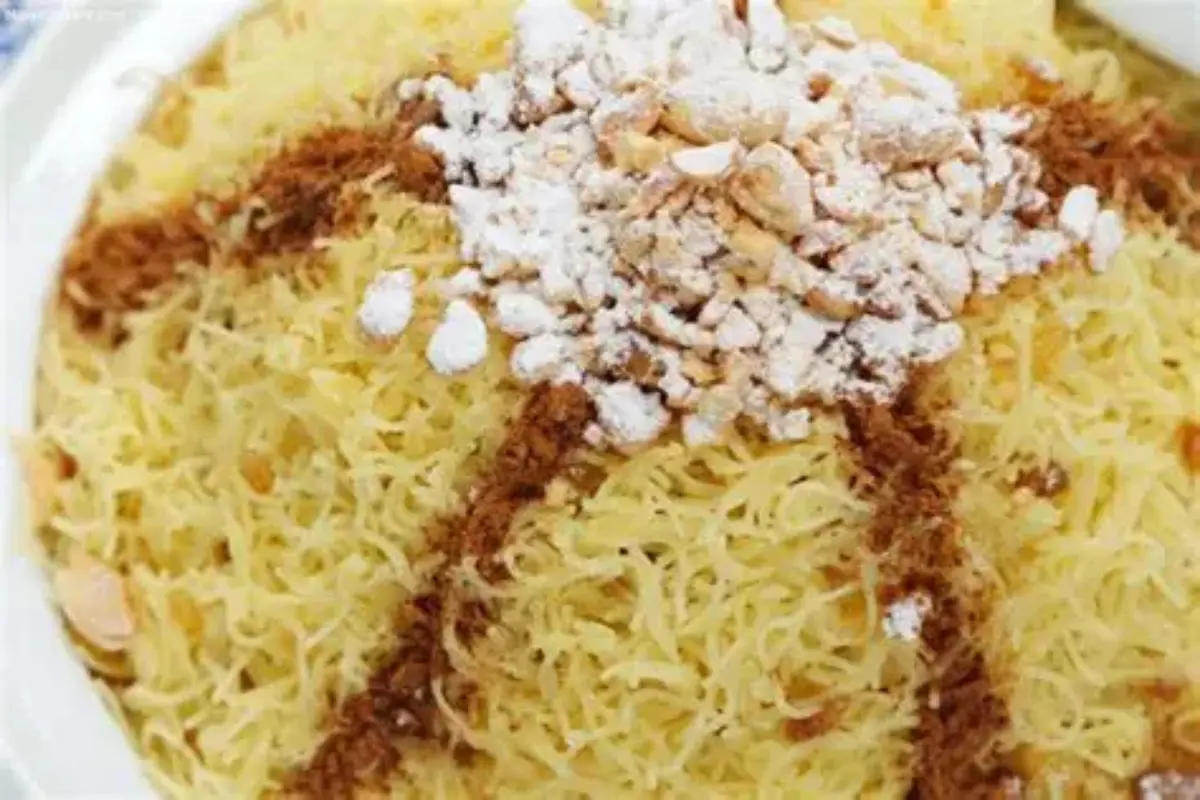
Seffa Medfouna stands as one of Morocco's most spectacular and distinctive dishes - a stunning presentation that embodies the Moroccan love of contrasting sweet and savory flavors in a single dish. The name itself tells the story: 'seffa' refers to the sweetened, buttery vermicelli or couscous that forms the visible crown of the dish, while 'medfouna' means 'buried' or 'hidden,' referring to the tender, spiced chicken or lamb concealed beneath this sweet topping. This dramatic dish is reserved for the most important celebrations - weddings, births, circumcisions, religious holidays, and honored guests - where its impressive presentation and complex flavor profile demonstrate the host's generosity and culinary prowess.
The genius of seffa medfouna lies in its layers of contrasts: at the base, tender meat that has been simmered until falling apart with aromatic spices including cinnamon, saffron, and ginger; in the middle, fluffy steamed vermicelli or couscous enriched with butter; on top, more vermicelli sweetened with powdered sugar and dusted with cinnamon in decorative patterns; and crowning everything, toasted almonds and plump raisins glistening with honey. When you break through the sweet exterior to discover the savory meat hidden below, the combination creates a flavor experience that is uniquely Moroccan - each bite contains sweet, savory, buttery, and spiced elements that somehow work in perfect harmony.
Preparing authentic seffa medfouna is an elaborate undertaking that requires patience and attention to detail, which is precisely why it is reserved for special occasions. The vermicelli or couscous must be steamed multiple times to achieve the characteristic light, fluffy texture. The meat must be cooked until it falls from the bone and its cooking liquid reduced to a concentrated, flavorful essence. The almonds must be toasted to perfection and the presentation executed with care to create the traditional decorative patterns of cinnamon lines radiating from the center. Despite the effort required, seffa medfouna rewards the cook with spectacular visual impact and a dish that guests will remember and talk about for years to come.
About This Recipe
Seffa Medfouna represents the pinnacle of Moroccan celebration cuisine, with deep roots in the imperial city of Fez where elaborate, labor-intensive dishes were developed to showcase wealth, hospitality, and culinary mastery. The dish embodies the Moroccan love affair with sweet-savory combinations - a culinary principle that distinguishes Moroccan cuisine from many other food cultures. Historians trace the development of seffa to the influence of Andalusian refugees who fled Spain during the Reconquista, bringing sophisticated cooking techniques that combined sweet and savory elements in ways previously unknown in Morocco. These techniques merged with existing Berber and Arab culinary traditions to create distinctly Moroccan preparations. The 'medfouna' concept - hiding savory meat beneath sweet topping - likely emerged as a way to create surprise and delight at festive occasions, where the dramatic reveal of hidden treasure beneath a sweet exterior became part of the entertainment. Historically, seffa medfouna was reserved exclusively for the most important celebrations: weddings (where it symbolized the sweet life ahead for the couple), births (celebrating new life with abundant sweetness), circumcisions, and welcoming the most honored guests. The elaborate preparation requiring multiple steamings, careful assembly, and artistic decoration was considered a demonstration of respect and the value placed on the occasion. In traditional Moroccan homes, preparing seffa medfouna was a multi-generational affair with mothers teaching daughters the proper techniques, passing down family preferences for sweetness levels, meat choices, and decorative patterns. The dish was particularly associated with Fassi cuisine (from Fez), where refinement and complexity were highly valued. Today, seffa medfouna remains a celebration staple throughout Morocco, though it has become less common in everyday cooking due to the time and effort required. Many families now reserve it for weddings and major religious holidays, while simpler versions of seffa appear more frequently. The dish represents a living connection to Morocco's culinary past and the enduring importance of celebrating life's milestones with food that requires genuine effort and demonstrates love through labor.
Nutritional Info (per serving)
Recipe Tags
Understanding the Ingredients
Vermicelli or Couscous
The foundation of seffa can be made with either very thin vermicelli pasta (also called cheveux d'ange or angel hair) or traditional couscous. Vermicelli is more common for festive occasions because its delicate strands create an elegant, nest-like appearance. You will need approximately one and a half pounds of dried vermicelli or two pounds of medium couscous for eight servings. The vermicelli should be broken into two to three inch lengths before steaming - traditionally this is done by gathering the dried pasta in your hands and breaking it into pieces. The pasta or couscous will be steamed multiple times with butter worked through it between steamings, creating incredibly light, fluffy, buttery strands that remain separate rather than clumping. Quality matters here - use good pasta or authentic couscous for best results.
Chicken or Lamb
The hidden meat component requires chicken pieces or lamb that will become fall-apart tender through slow cooking. For chicken, use a whole chicken cut into pieces or just thighs and legs with bones and skin intact. For lamb, use shoulder, neck, or shank cut into large chunks. You will need about three pounds of meat for eight servings. The meat is cooked with aromatic spices until extremely tender - it should literally fall off the bone. The bones enrich the cooking liquid, which is reduced and used to moisten the vermicelli. Some families prefer chicken for its lighter flavor, while others insist on lamb for more authentic, traditional seffa. The choice often depends on regional preferences and family tradition.
Butter
Butter is absolutely essential to seffa medfouna and is used in generous quantities - this is not a dish where you can skimp on fat. You will need at least one cup of butter, used both for steaming the vermicelli and for finishing the dish. The butter is what creates the rich, luxurious texture and prevents the vermicelli from sticking together. Traditional recipes use smen (preserved butter) for its distinctive funky flavor, but regular unsalted butter works beautifully. The butter should be melted and worked through the vermicelli between steamings, coating every strand. This is what gives seffa its characteristic glossy, rich appearance and prevents it from being dry.
Almonds and Raisins
Toasted almonds and plump raisins are not optional garnishes but essential components that provide textural contrast and bursts of sweetness. You will need about two cups of whole blanched almonds and one and a half cups of golden raisins. The almonds must be toasted until golden brown and fragrant - this develops their flavor and provides crunch. Some are left whole for decoration, while others are coarsely chopped and mixed into the seffa. The raisins are typically plumped in warm water or the meat cooking liquid, then mixed with honey to create a glossy, sweet topping. Together, the almonds and raisins create the decorative crown that makes seffa medfouna so visually stunning.
Aromatic Spice Blend
The meat is cooked with warm, aromatic spices including ground cinnamon, ground ginger, turmeric, saffron threads, and sometimes ras el hanout. These spices create a golden, fragrant cooking liquid that flavors the meat and is later used to moisten the vermicelli, connecting the sweet and savory elements. Ground cinnamon also appears on top, dusted over the sweetened vermicelli in decorative patterns - typically straight lines radiating from the center of the mounded dish. The duality of cinnamon - used both in the savory meat preparation and the sweet topping - is characteristic of Moroccan cuisine's sophisticated approach to spicing.
Powdered Sugar
Powdered sugar is generously dusted over the top layer of vermicelli, creating the sweet crown that contrasts with the savory meat below. You will need approximately one cup of powdered sugar, though quantities vary based on personal preference and regional traditions. The sugar should be very fine and snow-white, creating a striking visual contrast with the golden vermicelli and the dark cinnamon lines. Some cooks add orange blossom water to the vermicelli along with the sugar for additional aromatic complexity. The amount of sugar can be adjusted - some families prefer quite sweet seffa, while others use a more restrained hand.
Onions and Aromatics
The meat cooking liquid requires onions, garlic, and fresh herbs to create a flavorful base. Large onions are chopped or sliced and cooked down with the meat until they virtually dissolve into the liquid. Fresh ginger, garlic, and bundles of cilantro and parsley add aromatic depth. These aromatics are essential for creating the rich, complex cooking liquid that ties the dish together. The onions also provide natural sweetness that bridges the sweet and savory elements.
Orange Blossom Water
Orange blossom water is the signature flavoring that makes seffa medfouna distinctly Moroccan. A few tablespoons are worked into the sweetened vermicelli topping, adding ethereal floral notes that complement both the sugar and the cinnamon. The orange blossom water should be food-grade and of good quality - too much can be overwhelming and soapy, while the right amount adds mysterious, delicate perfume. This ingredient is what elevates seffa from simple sweet pasta to something transcendent and unforgettable.
Step-by-Step Cooking Guide
Cook the Meat
In a large, heavy pot, place three pounds of chicken pieces or lamb chunks with two large chopped onions, four minced garlic cloves, one tablespoon of grated fresh ginger, two teaspoons of ground cinnamon, one teaspoon of ground ginger, one teaspoon of turmeric, a generous pinch of saffron threads, one teaspoon of salt, half a teaspoon of black pepper, and bundles of fresh cilantro and parsley tied with kitchen string. Add enough water to nearly cover the meat - about four to five cups. Add quarter cup of butter. Bring to a boil over high heat, then reduce to a gentle simmer. Cover partially and cook for one hour (for chicken) or up to two hours (for lamb), until the meat is completely tender and falling off the bone. The meat should be so tender you can pull it apart with your fingers. Once cooked, remove the meat carefully and set aside, covered to keep warm. Remove and discard the herb bundles. Continue simmering the cooking liquid, uncovered, over medium-high heat for twenty to thirty minutes until it reduces by about half and becomes concentrated and slightly thickened. This reduced liquid will be used to moisten the vermicelli.
Tip: Do not rush the meat cooking - it must be fall-apart tender. The reduced cooking liquid is essential for connecting the sweet and savory elements, so reduce it properly until flavorful and concentrated.
Prepare and Steam Vermicelli - First Time
While the meat cooks, prepare the vermicelli. Break one and a half pounds of dried vermicelli pasta into two to three inch lengths by gathering it in your hands and snapping it. Place the broken vermicelli in a large, wide bowl or basin. Sprinkle with about one cup of water mixed with one tablespoon of vegetable oil, tossing gently with your hands to moisten evenly. Let rest for ten minutes so the pasta begins absorbing moisture. Meanwhile, bring water to a boil in the bottom of a couscoussier or large pot fitted with a steamer basket. The water should not touch the steamer. Transfer the moistened vermicelli to the steamer basket, spreading it out evenly. Do not pack it down or cover it. Steam for twenty minutes, allowing steam to circulate freely through the pasta. The vermicelli is ready when you see steam rising through the top and the strands are softened.
Tip: Never cover the vermicelli while steaming - it needs steam circulation, not trapped moisture. Break the pasta into relatively uniform lengths for even cooking. If using couscous instead, follow the traditional couscous steaming method.
Break and Rest Vermicelli - First Time
Transfer the steamed vermicelli back to your large bowl. It will be very hot, so work carefully. Spread it out to cool slightly and help steam escape. While still warm, add half a cup of melted butter, drizzling it over the vermicelli. Using your hands or two forks, gently work through the vermicelli, separating any clumps and coating every strand with butter. The goal is fluffy, separate strands, not a dense mass. Work gently to avoid breaking the delicate pasta. Let the vermicelli rest for fifteen to twenty minutes. This resting allows the butter to be absorbed and the strands to dry out slightly, which will make the second steaming more effective.
Tip: The butter is crucial - it prevents clumping and creates the silky texture. Work through the vermicelli thoroughly but gently. Each strand should be separate and glossy with butter.
Second Steaming
Return the buttered, rested vermicelli to the steamer for a second round of steaming. Steam for another fifteen to twenty minutes, again allowing steam to circulate freely without covering. After this second steaming, transfer back to the bowl and add another quarter cup of melted butter, working it through gently as before. The vermicelli should now be very light, fluffy, and completely tender, with every strand separate and coated in butter. The double steaming with butter worked through between rounds is what creates the characteristic texture of seffa - incredibly light yet rich, with strands that remain separate even when mounded on a platter.
Tip: The double steaming takes time but is essential for the proper texture. After the second steaming and buttering, the vermicelli should be fluffy like a cloud, with no clumps or dense spots.
Toast Almonds and Prepare Toppings
While the vermicelli steams, prepare the toppings. Spread two cups of blanched whole almonds on a baking sheet and toast in a 350°F oven for eight to ten minutes, stirring once or twice, until golden brown and fragrant. Watch carefully as they can burn quickly. Remove from the oven and let cool. Coarsely chop half the almonds, leaving the rest whole for decoration. Place one and a half cups of golden raisins in a bowl and cover with some of the hot meat cooking liquid or warm water. Let them plump for ten to fifteen minutes, then drain. Mix the drained raisins with three tablespoons of honey and one tablespoon of orange blossom water, stirring to coat. Set aside.
Tip: Toast the almonds until they are deeply golden and smell nutty - pale almonds lack flavor. The honey-coated raisins should be glossy and sticky. Both the almonds and raisins can be prepared ahead.
Prepare the Meat for Hiding
Once the meat is cooked and has rested, carefully remove all the bones, keeping the meat in large, tender pieces if possible. If using chicken, the meat will likely fall apart - this is fine. Shred or tear the meat into large chunks. Moisten the meat with some of the reduced cooking liquid - enough to keep it moist but not swimming. Season with additional salt and cinnamon if needed. Keep the meat warm, covered, until assembly time. Reserve the remaining cooking liquid for moistening the vermicelli base.
Tip: The meat should be very tender and flavorful, moistened but not soupy. Remove all bones carefully - no one wants to discover a bone when eating. Keep the meat warm while you assemble the dish.
Divide and Flavor the Vermicelli
Divide the finished, buttered vermicelli into two portions - roughly two-thirds and one-third. The larger portion will form the base and will remain savory (or lightly sweet). The smaller portion will be the sweet top layer. To the smaller portion, add three-quarters cup of powdered sugar, two tablespoons of orange blossom water, and one teaspoon of ground cinnamon. Toss gently but thoroughly to mix. The vermicelli should be sweetened but every strand should remain separate. To the larger portion, add just enough of the reduced meat cooking liquid to moisten it slightly - you want it flavorful but not wet. Add a few tablespoons of the chopped toasted almonds to this base layer for texture.
Tip: Do not oversaturate either portion with liquid or sugar - the vermicelli should remain fluffy and separate. The bottom layer should be savory or just lightly sweet, while the top is quite sweet.
Assemble the Seffa Medfouna
This is the dramatic moment where the dish comes together. On a very large, round serving platter (the largest you have), spread about half of the larger, savory vermicelli portion, creating a thick base layer. Place all the warm, tender meat in the center of this base, mounding it slightly but keeping it contained. Cover the meat completely with the remaining savory vermicelli, creating a dome or mountain that completely conceals the meat - this is the 'medfouna' or buried aspect. The meat should be entirely hidden. Now, carefully layer the sweetened vermicelli over the entire mound, starting from the bottom and working up, creating a smooth, even coating. The sweet vermicelli should completely cover the savory layer. Shape the entire mound into a smooth, conical mountain with your hands or the back of a large spoon.
Tip: Work gently when building the layers to avoid disturbing the hidden meat. The final shape should be a smooth, tall cone or dome. Use the largest platter you own - this dish needs dramatic presentation space.
Decorate and Serve
Now for the spectacular finishing touches. Dust the entire mound generously with additional powdered sugar, creating a snow-white coating. Using a fine-mesh sieve, dust ground cinnamon in decorative lines from the top of the mound radiating down to the base, creating a sunburst or striped pattern. The traditional pattern is straight lines from peak to edge, but you can create any design you like. Sprinkle the whole toasted almonds over the mound, letting some slide down the sides. Arrange the honey-glazed raisins artfully over and around the almonds. Some cooks also add a final sprinkle of crushed pistachios for color. The finished seffa should be a spectacular sight - a tall, white mountain striped with cinnamon, studded with golden almonds and glistening raisins. Serve immediately, bringing the platter to the table for everyone to admire before serving. To serve, use a large spoon to break through the sweet exterior, ensuring each person gets some sweet vermicelli, some savory base, and some of the hidden meat treasure beneath.
Tip: Take your time with the decoration - the visual presentation is part of the experience. The cinnamon lines should be crisp and clear. Serve immediately while everything is warm and the contrast between layers is most pronounced.
Common Mistakes to Avoid
❌ Steaming Vermicelli Only Once
Solution: Like couscous, vermicelli for seffa requires multiple steamings with butter worked through between each round. Single steaming produces dense, clumpy pasta instead of the light, fluffy, separate strands that define proper seffa.
❌ Not Reducing the Cooking Liquid
Solution: The meat cooking liquid must be reduced until concentrated and flavorful. Watery liquid will make the vermicelli soggy and bland rather than moistened and flavorful. Reduce until the liquid is rich and slightly thickened.
❌ Skimping on Butter
Solution: Seffa requires generous butter - at least one cup for the amount of vermicelli used. The butter prevents clumping, creates the silky texture, and provides richness. Do not try to make low-fat seffa - it will not work.
❌ Making the Meat Too Wet
Solution: While the meat should be moist and tender, it should not be swimming in liquid when assembled. Excess liquid will soak through the vermicelli layers and ruin the presentation and texture. Moisten the meat but do not drown it.
❌ Not Cooking Meat Until Tender
Solution: The meat must be fall-apart tender - so tender it easily shreds with a fork. Undercooked, chewy meat ruins the dish. Cook until the meat literally falls off the bone before assembling.
❌ Assembling Too Far in Advance
Solution: Seffa medfouna must be assembled just before serving. If assembled too early, the vermicelli becomes soggy, the meat cools, and the dramatic presentation wilts. Prepare all components ahead but assemble at the last minute.
❌ Not Hiding the Meat Completely
Solution: The meat must be completely concealed beneath the vermicelli - that is the 'medfouna' (buried) aspect. If meat is visible, the surprise and drama are lost. Ensure adequate vermicelli coverage.
Ingredient Substitutions
Instead of: Vermicelli
Use: Traditional couscous works beautifully and is actually more common in some regions. Use medium couscous and steam it multiple times with butter as you would the vermicelli. Rice vermicelli can substitute for gluten-free version.
Instead of: Chicken
Use: Lamb is equally traditional and actually preferred in some families. Use shoulder, neck, or shank cut into chunks. Cooking time increases to about two hours for lamb. Some versions use both chicken and lamb.
Instead of: Smen
Use: Regular unsalted butter works perfectly, though it lacks the funky, aged flavor of traditional smen. Ghee is closer in character. For authentic flavor, seek out smen at Middle Eastern markets.
Instead of: Orange Blossom Water
Use: Rose water provides similar floral notes with different character. In a pinch, use vanilla extract, though the flavor will not be as authentically Moroccan. Orange blossom water is worth finding.
Instead of: Golden Raisins
Use: Dark raisins work fine, though golden are more traditional and visually appealing. Dried apricots cut into small pieces can substitute for variety. Dates are sometimes used in some regional variations.
Serving Suggestions
Serve seffa medfouna as the centerpiece of celebration meals - weddings, births, religious holidays, or welcoming honored guests. Its impressive presentation signals the importance of the occasion.
Present the completed seffa on the largest, most beautiful platter you own, carried ceremoniously to the table for everyone to admire before serving.
Accompany with Moroccan mint tea and dates as traditional companions. The sweet tea complements the sweet-savory nature of the dish.
Provide serving spoons and ensure each person receives all three elements: sweet vermicelli top, savory vermicelli base, and hidden meat treasure.
Some families serve seffa medfouna with a pitcher of additional melted butter on the side for those who want to add more richness.
Follow seffa with fresh fruit and more mint tea for digestion - this is a rich, substantial dish that benefits from something light afterward.
Leftover seffa can be eaten for breakfast the next day, though it will not have the same fluffy texture or dramatic presentation.
Storage & Reheating Guide
Storage
Seffa medfouna is best enjoyed fresh and does not store particularly well once assembled. However, components can be prepared ahead and stored separately. The cooked meat in its liquid can be refrigerated for up to three days. The steamed, buttered vermicelli can be stored at room temperature for several hours or refrigerated overnight. The almonds and raisins can be prepared days ahead. Do not assemble the complete dish until just before serving. If you must store assembled leftovers, refrigerate in an airtight container for up to two days, but understand that the texture will change significantly.
Reheating
To reheat, the best method is steaming. Place the vermicelli in a steamer basket over boiling water for ten to fifteen minutes until warmed through and fluffed. The meat can be reheated separately with a bit of its cooking liquid. Reassemble fresh. Microwave reheating is possible but will make the vermicelli somewhat sticky and will not restore the fluffy texture. If reheating in the oven, cover tightly with foil and warm at 300°F for twenty minutes, though again the texture will not match freshly made.
Tips: The key to successful advance preparation is keeping all components separate until final assembly. Make the meat a day ahead for even better flavor. Steam the vermicelli on the day of serving. Assemble dramatically at the last minute for maximum impact. The dish is truly designed to be made and served immediately.
Frequently Asked Questions
Recipe by

Similar Recipes


Our Recipe Ebooks
Discover our collection of authentic Moroccan recipe ebooks. Learn traditional cooking methods and create delicious meals at home.
The Moroccan Vegen
The Royal Moroccan Table -Part1
The Royal Moroccan Table -Part2
YouTube Channel
Watch step-by-step cooking videos, learn professional techniques, and get inspired by traditional and modern recipes from around the world.
Latest Video
"Traditional Moroccan Tagine Masterclass"