
45
Prep (min)
75
Cook (min)
6
Servings
Medium
Level
Introduction
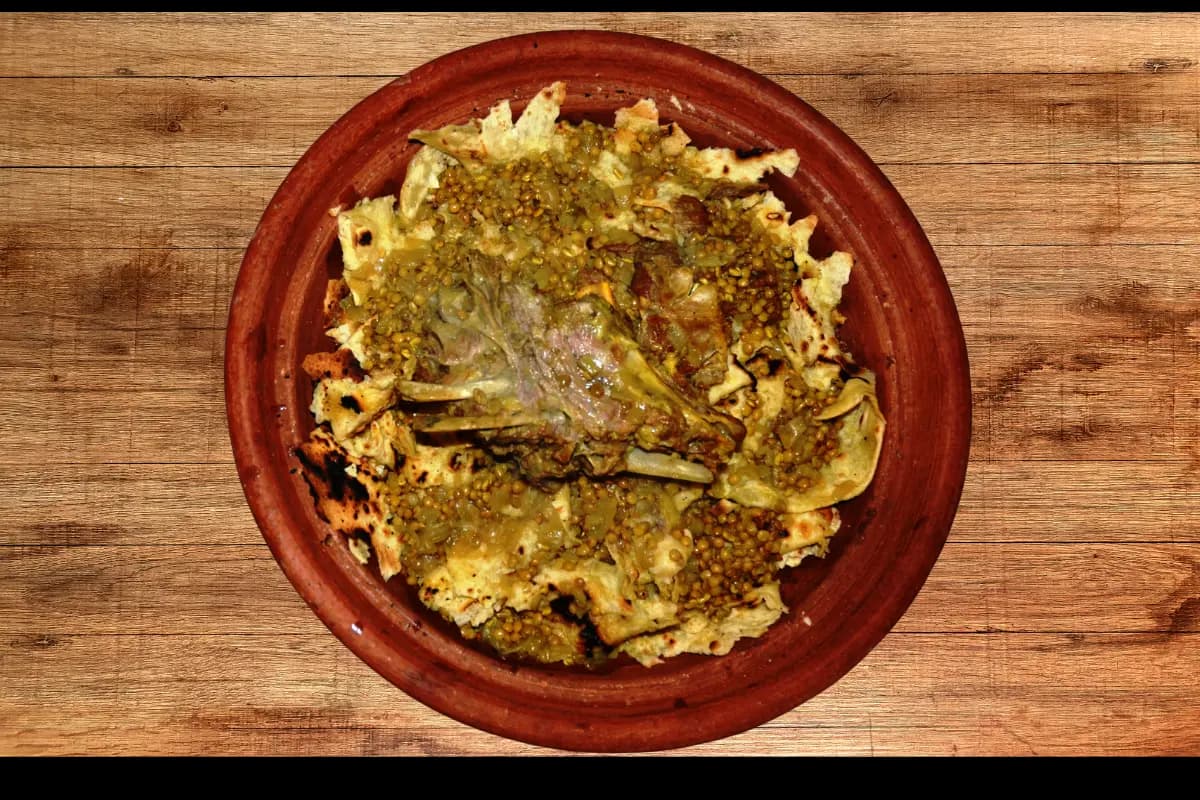
Rfissa stands as one of Morocco's most meaningful and nourishing traditional dishes - a celebratory meal steeped in cultural significance and prepared with love for new mothers, honored guests, and important family gatherings. This hearty, comforting dish features tender chicken pieces simmered in an intensely aromatic broth infused with fenugreek, ras el hanout, and saffron, served over layers of torn msemen (Moroccan flatbread) that have absorbed the flavorful cooking liquid, accompanied by tender lentils that add earthy depth and protein. The result is a dish that is simultaneously luxurious and homey, complex yet comforting - layers of flavor and texture that warm both body and soul.
The name 'rfissa' comes from the Arabic verb 'rafasa,' meaning to shred or tear into pieces, referring to the torn msemen that form the foundation of this dish. Traditionally, rfissa is prepared for women who have just given birth, as the fenugreek is believed to aid milk production and provide strength during recovery, while the rich, nourishing broth helps restore energy. This cultural tradition of preparing rfissa for new mothers reflects the deep Moroccan values of community support and caring for family during important life transitions. Beyond its postpartum associations, rfissa also appears at baby naming ceremonies, religious celebrations, and as a special meal for honored guests, where its labor-intensive preparation demonstrates respect and generosity.
What makes rfissa truly special is the distinctive flavor profile dominated by fenugreek - an herb with a unique, slightly bitter, maple-like taste that is absolutely essential to authentic rfissa. The fenugreek seeds are toasted and ground, releasing their aromatic oils, then combined with other warm spices to create a broth unlike any other. This spiced broth is used to cook the chicken until fall-apart tender, then reduced to concentrate the flavors. The torn msemen are layered in a serving dish and drenched with this precious broth, becoming soft and silky while maintaining some texture. The chicken is arranged on top, and everything is garnished with the cooked lentils, caramelized onions with raisins, and sometimes toasted almonds. Each element contributes to a harmonious whole that is both visually impressive and deeply satisfying to eat.
About This Recipe
Rfissa holds profound cultural significance in Moroccan society, transcending its role as merely food to become a symbol of care, community, and important life transitions. The dish's origins are rooted in Berber tradition, though the name comes from Arabic, reflecting Morocco's layered cultural heritage. Historically centered in the Casablanca and Chaouia regions, rfissa has spread throughout Morocco while maintaining its special status as ceremonial food. The tradition of preparing rfissa for new mothers (النفساء - anfsa) dates back centuries and reflects deep cultural wisdom about postpartum care. The fenugreek that defines rfissa has long been valued in traditional medicine for its believed ability to promote lactation, restore strength, and aid recovery - modern research has confirmed that fenugreek does indeed support milk production. Beyond its medicinal properties, the labor-intensive preparation of rfissa demonstrates the community's investment in caring for new mothers during their vulnerable postpartum period. Traditionally, female relatives would gather to prepare rfissa together, creating a support network around the new mother while she rests and bonds with her baby. This communal preparation and shared meal strengthens family bonds and ensures the new mother is nourished both physically and emotionally. The dish also appears at baby naming ceremonies (سبوع - sbu'), typically held seven days after birth, where rfissa is served to guests who come to celebrate and bless the newborn. While rfissa's primary association remains with childbirth and infancy, it is also prepared for other honored occasions - welcoming important guests, celebrating family reunions, or marking religious holidays. The dish requires genuine effort and expense (fenugreek, saffron, and smen are not cheap), making it a meaningful gesture of respect and love. In modern Morocco, despite changes in lifestyle and the availability of commercial foods, the tradition of rfissa for new mothers persists across economic classes and urban-rural divides, demonstrating the enduring power of culinary tradition in maintaining cultural identity and values. Many Moroccan women living abroad continue this tradition, preparing rfissa after giving birth as a connection to home and a way to pass cultural heritage to the next generation.
Nutrition / serving
Recipe Tags
Understanding the Ingredients
Whole Chicken
Rfissa traditionally uses a whole chicken cut into pieces, which provides variety of textures and flavors while the bones enrich the cooking broth. A three to four pound chicken is ideal for serving six people. You can use a whole chicken that you cut yourself, or purchase pre-cut chicken pieces - just ensure you have both dark and white meat with bones and skin intact. The bones are crucial for creating a rich, flavorful broth, while the skin protects the meat during the long cooking and adds richness. Free-range or organic chicken provides superior flavor, though standard chicken works perfectly well. Some cooks prefer using only thighs and drumsticks for consistently moist, tender meat, as white meat can sometimes dry out during the extended cooking time.
Fenugreek Seeds
Fenugreek (helba in Arabic) is the defining ingredient of rfissa - without it, you simply have chicken and flatbread, not authentic rfissa. Fenugreek seeds have a distinctive flavor that is simultaneously bitter, nutty, and reminiscent of maple syrup. These small, hard, golden-brown seeds must be toasted lightly to release their aromatic oils before being ground to a powder. The toasting is crucial - raw fenugreek is unpleasantly bitter, but properly toasted fenugreek develops complex, warm flavors. You will need about two tablespoons of fenugreek seeds for a full recipe. Fenugreek can be found in Middle Eastern, Indian, or specialty spice shops. There is no perfect substitute for fenugreek's unique flavor, though some desperate cooks have tried using a combination of celery seed and maple extract - however, this is not authentic and the result is quite different.
Lentils
Green or brown lentils are traditionally used in rfissa, providing earthy flavor, hearty texture, and additional protein. The lentils are cooked separately with aromatics until tender but not mushy - they should hold their shape for the final presentation. You will need about one and a half cups of dried lentils. Red lentils break down too much and are not suitable for this dish. The lentils serve multiple purposes: they add nutritional value, provide textural contrast to the soft chicken and msemen, and their earthy flavor balances the aromatic spices. In traditional preparation, the lentils symbolize abundance and are believed to provide strength and nourishment to new mothers.
Msemen or Trid
The foundation of rfissa requires traditional Moroccan flatbread to soak up the flavorful broth. Authentic rfissa uses either msemen (layered, square flatbread) or trid (a thinner, crepe-like version made specifically for rfissa). Homemade msemen is ideal, but store-bought works if you can find it. You will need approximately eight to ten pieces of msemen for a generous serving for six people. The msemen should be torn or cut into irregular pieces - not neat squares - which increases surface area for absorbing the broth. Day-old msemen actually works better than fresh because it is slightly drier and absorbs more liquid without becoming mushy. If msemen is completely unavailable, some cooks use torn pieces of pita bread or lavash as a substitute, though the texture and flavor will differ from authentic rfissa.
Ras el Hanout and Spices
Beyond the essential fenugreek, rfissa relies on Morocco's signature spice blend - ras el hanout - for its complex, warm flavor profile. Ras el hanout typically contains cumin, coriander, cinnamon, ginger, cardamom, turmeric, and numerous other spices. You will need two to three tablespoons for the chicken broth. Additional individual spices including ground ginger, turmeric, saffron threads, and black pepper contribute layers of flavor. The spice combination should be warm and aromatic without being spicy-hot. These spices not only flavor the dish but are also chosen for their believed medicinal properties - particularly important given rfissa's traditional role as postpartum food. Fresh ginger root is also used alongside the dried spices for brightness.
Onions and Aromatics
Onions play multiple roles in rfissa. Large quantities of sliced onions cook down into the chicken broth, providing sweetness and body. Additional caramelized onions with raisins serve as a traditional garnish that adds sweet-savory contrast. Fresh cilantro and parsley are essential herbs that add brightness and freshness to balance the rich, spiced broth. Garlic and fresh ginger provide pungent, aromatic depth. The onions should be yellow or white - large, sweet varieties that break down well during long cooking. You will need at least four to five large onions total - some for the broth, some for caramelization.
Butter or Smen
Butter enriches both the chicken cooking liquid and is used to finish the dish before serving. Traditional rfissa uses smen (Moroccan preserved butter) which adds a distinctive funky, cheese-like flavor that is highly prized. Regular unsalted butter works perfectly well if smen is unavailable. The butter is added to the broth during cooking and also drizzled over the assembled dish before serving, adding richness and helping to bind the layers. You will need at least half a cup of butter throughout the preparation. The butter also serves a practical purpose - it helps prevent the msemen from becoming too soggy while still allowing them to absorb the flavorful broth.
Chickpeas (Optional)
While not always included, chickpeas are a common addition to rfissa, providing additional protein, texture, and bulk. If using chickpeas, you will need one can of drained chickpeas or one cup of dried chickpeas that have been soaked and cooked. The chickpeas are added to the dish during the final assembly, heated through in the broth. They absorb flavors beautifully and make the dish more substantial. Some families always include chickpeas in their rfissa, while others never do - this is a matter of family tradition and personal preference.
Step-by-Step Cooking Guide
Toast and Grind Fenugreek
8 minBegin by preparing the essential fenugreek. Place two tablespoons of fenugreek seeds in a small, dry skillet over medium heat. Toast them, stirring constantly, for three to four minutes until they become fragrant and darken slightly to a deeper brown. Watch carefully - they should smell aromatic and toasted but not burnt, which would make them unpleasantly bitter. Remove from heat immediately and transfer to a plate to cool. Once cooled, grind the toasted seeds to a fine powder using a spice grinder, coffee grinder dedicated to spices, or mortar and pestle. The powder should be fine and aromatic. This toasted, freshly ground fenugreek is the heart and soul of rfissa - it provides the distinctive flavor that makes this dish unique.
Tip: Do not skip the toasting step - raw fenugreek is too bitter and lacks the complex flavors that develop through toasting. If you do not have a grinder, you can find pre-ground fenugreek, though freshly ground is far superior in flavor.
Prepare and Season the Chicken
10 minCut the whole chicken into eight pieces (two breasts, two thighs, two drumsticks, two wings) or use pre-cut chicken pieces. Pat the pieces completely dry with paper towels. In a large bowl, season the chicken generously with salt, black pepper, one tablespoon of ras el hanout, one teaspoon of ground ginger, one teaspoon of turmeric, and the ground toasted fenugreek you just prepared. Rub the spice mixture all over the chicken pieces, ensuring even coverage. Let the seasoned chicken rest at room temperature for twenty to thirty minutes while you prepare other ingredients. This resting period allows the spices to penetrate the meat and brings the chicken to room temperature for more even cooking.
Tip: The chicken should be heavily seasoned - rfissa is a boldly flavored dish. Do not be timid with the spices. Make sure every piece is well coated with the fenugreek mixture.
Cook the Lentils
40 minRinse one and a half cups of green or brown lentils under cold water, picking through them to remove any debris or stones. In a medium saucepan, combine the lentils with one chopped onion, two minced garlic cloves, one teaspoon of ras el hanout, half a teaspoon of turmeric, half a teaspoon of salt, and four cups of water. Bring to a boil over high heat, then reduce to a gentle simmer. Cook uncovered for twenty-five to thirty-five minutes, stirring occasionally, until the lentils are tender but still hold their shape - they should not be mushy. If excess liquid remains, drain the lentils and discard the liquid. The lentils can be prepared ahead and set aside until needed for assembly. Taste and adjust seasoning with salt if needed.
Tip: Watch the lentils carefully toward the end of cooking - you want them tender but intact, not falling apart. If they start to break down, drain them immediately. Different lentil varieties cook at different rates.
Cook the Chicken in Aromatic Broth
70 minIn a very large, heavy-bottomed pot or Dutch oven, heat three tablespoons of olive oil over medium-high heat. Add the seasoned chicken pieces (working in batches if necessary) and brown them on all sides, about two to three minutes per side. The browning is important for developing flavor. Remove the browned chicken and set aside. In the same pot, add three large onions that have been thinly sliced. Sauté for five minutes until softened. Add four minced garlic cloves, one tablespoon of grated fresh ginger, another tablespoon of ras el hanout, one teaspoon of turmeric, a generous pinch of saffron threads, and any remaining ground fenugreek. Stir for one minute until very fragrant. Return the chicken to the pot along with large bunches of fresh cilantro and parsley tied with kitchen string. Add enough water to almost cover the chicken - approximately four to five cups. Add quarter cup of butter (or smen), and season with salt and pepper. Bring to a boil, then reduce to a gentle simmer. Cover and cook for forty-five to sixty minutes until the chicken is completely tender and falling off the bone.
Tip: The broth is the soul of rfissa - make sure it is intensely flavored and aromatic. Do not rush the cooking. The chicken should be so tender it nearly falls apart when touched.
Caramelize Onions with Raisins
30 minWhile the chicken simmers, prepare the traditional garnish. Thinly slice two large onions. Heat two tablespoons of butter and one tablespoon of oil in a large skillet over medium heat. Add the sliced onions with a pinch of salt and cook, stirring frequently, for twenty to twenty-five minutes until deeply golden and caramelized. The onions should be very soft and sweet. Add half a cup of raisins, one teaspoon of ground cinnamon, half a teaspoon of ground ginger, and two tablespoons of honey. Stir and cook for five more minutes until the raisins plump up and everything becomes jammy and sweet. This sweet-savory topping is traditional and provides essential flavor contrast to the richly spiced chicken.
Tip: Patience is key for properly caramelized onions - low and slow is the way. They should be mahogany brown and meltingly soft. If they start to stick or burn, add a splash of water.
Prepare the Msemen
10 minWhile everything cooks, prepare the msemen that will form the base of the dish. If using homemade msemen, tear or cut eight to ten pieces into irregular chunks approximately two to three inches across - rustic, uneven pieces are traditional. If the msemen are very fresh and soft, you can leave them as is, but if they are day-old and stiff, you may want to steam them briefly to soften, or simply let them sit at room temperature. Day-old msemen is actually ideal because it is slightly drier and will absorb the broth better without becoming too mushy. Arrange the torn msemen pieces in a very large, shallow serving dish or platter - this dish needs to be large enough to hold the msemen, broth, chicken, and garnishes. Traditional rfissa is served on a very large communal platter.
Tip: Do not cut the msemen too small - larger pieces maintain better texture. Tearing rather than cutting creates more surface area for absorbing broth. Use the largest serving dish you have.
Reduce and Finish the Broth
20 minOnce the chicken is completely tender, carefully remove the pieces from the broth and set aside on a plate, covered with foil to keep warm. Remove and discard the herb bundles. Increase the heat under the broth to medium-high and let it reduce, uncovered, for fifteen to twenty minutes until it becomes more concentrated and slightly thickened - it should reduce by about one-third to one-half. The broth should be intensely flavored and aromatic. Taste and adjust seasoning with salt and pepper. If desired, stir in chickpeas during the last five minutes of reduction to heat them through. The broth should be rich, golden, and very flavorful - this is what will flavor the entire dish.
Tip: Do not over-reduce the broth - you need enough liquid to soak the msemen thoroughly. The broth should be concentrated but still quite liquid, not thick like a sauce.
Assemble and Serve
10 minTo assemble the rfissa, take the large serving dish with the torn msemen and ladle the hot, aromatic broth over the pieces, turning them gently to ensure even soaking. The msemen should be well moistened but not swimming in liquid - you want them to absorb the broth and become soft and flavorful while maintaining some texture. Reserve some broth on the side in case you want to add more. Arrange the tender chicken pieces on top of the soaked msemen, creating an attractive presentation. Spoon the cooked lentils around and over the chicken. Top with the caramelized onions and raisins, distributing them across the dish. If desired, garnish with toasted slivered almonds and fresh chopped cilantro and parsley. Traditionally, rfissa is served immediately while very hot, family-style from the communal platter, with everyone eating with their hands or using bread to scoop. Serve with extra broth on the side for those who like their rfissa more generously moistened.
Tip: Assemble rfissa just before serving - the msemen should be freshly soaked and the chicken hot. Do not assemble too far in advance or the msemen will become too soggy. Work quickly for best texture.
Common Mistakes to Avoid
✗ Not Toasting the Fenugreek
Fix: Raw or inadequately toasted fenugreek is unpleasantly bitter and lacks the complex, aromatic flavors that proper toasting develops. Always toast the seeds until fragrant and darkened, then grind fresh for best results.
✗ Over-Soaking the Msemen
Fix: If the msemen are soaked too long before serving or with too much liquid, they become mushy and unpleasant. Soak them just before serving and use enough broth to moisten thoroughly but not drown them. They should be soft but still maintain some texture.
✗ Using Red Lentils
Fix: Red lentils break down completely during cooking and create mush rather than maintaining shape. Use green or brown lentils that hold together when cooked. The lentils should be tender but intact for proper presentation and texture.
✗ Under-Seasoning the Broth
Fix: The broth flavors the entire dish, so it must be intensely flavored and well-seasoned. Do not be timid with the spices, especially the fenugreek. Taste and adjust seasoning before assembling. The broth should be delicious on its own.
✗ Not Reducing the Broth Enough
Fix: If the broth is too watery and not concentrated enough, the dish will be bland and swimming in liquid. Reduce the broth after cooking the chicken until it is intensely flavored and slightly thickened.
✗ Assembling Too Far in Advance
Fix: Rfissa must be assembled just before serving. If assembled too early, the msemen become too soggy and the chicken cools. Prepare all components ahead but assemble at the last minute for best texture and temperature.
✗ Using the Wrong Bread
Fix: While msemen or trid are traditional, some cooks try to substitute regular bread or pita. These lack the proper texture and do not absorb the broth correctly. If you cannot make msemen, at least use a substantial flatbread, not sliced sandwich bread.
Ingredient Substitutions
Instead of: Msemen
Use: Trid (thin, crepe-like Moroccan flatbread) is traditional for rfissa. If neither is available, use torn pita bread, lavash, or other substantial flatbread. The texture will differ but the dish remains delicious.
Instead of: Fenugreek Seeds
Use: There is no perfect substitute for fenugreek's unique flavor. In desperation, some use a combination of celery seed and a tiny amount of maple extract, but this is not authentic. Fenugreek is worth seeking out at Indian or Middle Eastern markets.
Instead of: Whole Chicken
Use: Use bone-in, skin-on chicken thighs and drumsticks exclusively for consistently moist meat. Boneless chicken can work but the broth will lack depth. The bones are important for flavor.
Instead of: Smen
Use: Regular unsalted butter works perfectly well. Ghee or clarified butter is closer to smen in character. For the distinctive funky flavor of smen, some cooks add a bit of grated Parmesan to butter.
Instead of: Green Lentils
Use: Brown lentils work identically. Black beluga lentils hold their shape beautifully but are less traditional. Do not use red lentils which dissolve completely.
Serving Suggestions
Serve rfissa traditionally for new mothers during the postpartum period, honoring the Moroccan custom of providing nourishing, strengthening food to help recovery and milk production.
Present rfissa at baby naming ceremonies (sbu') as the traditional celebratory meal, surrounded by family and friends who gather to welcome the new child.
Serve family-style on a very large communal platter, with everyone eating together - this communal aspect is essential to the rfissa experience.
Accompany with Moroccan mint tea and fresh dates as traditional companions to this rich meal.
Provide small bowls of extra broth on the side so diners can add more to their portion according to preference.
Serve with a simple cucumber and tomato salad dressed with lemon juice to provide fresh, acidic contrast to the rich rfissa.
For honored guests, present rfissa as the main course of a special meal, demonstrating hospitality and the effort taken in their honor.
Leftover rfissa makes an excellent next-day meal - the flavors continue to develop and meld overnight.
Storage & Reheating
Storage
Rfissa is best enjoyed fresh, but components can be prepared ahead and stored separately. Store the cooked chicken in its broth in an airtight container in the refrigerator for up to three days. Store the cooked lentils separately. Store the caramelized onions separately. Keep msemen in a sealed bag at room temperature if using within a day, or refrigerate for longer storage. Do not assemble the complete dish until just before serving - the msemen should not sit in the broth for extended periods. The chicken and broth can be frozen for up to two months; thaw overnight in the refrigerator before reheating.
Reheating
To reheat, warm the chicken in its broth on the stovetop over medium-low heat until heated through, about fifteen minutes. The lentils can be reheated separately or added to the warming broth. Steam the msemen briefly to soften if they have become stiff. Assemble the dish fresh just before serving, using the reheated components. If you have leftover assembled rfissa, reheat gently in a covered dish in the oven at 300°F for twenty minutes, though the texture will not be quite as good as freshly assembled.
The key to successful storage is keeping components separate until final assembly. The broth actually improves in flavor overnight as the spices continue to infuse. Make the chicken and broth a day ahead for even better flavor, then assemble fresh when ready to serve. Msemen can be frozen for up to three months and thawed at room temperature.
Frequently Asked Questions
Recipe by

Iman El Fassi
إيمان الفاسي
Main Dishes Chef
View all recipes by Iman →
You May Also Like
Our Ebooks

The Moroccan Vegan
$12.56
The Royal Moroccan Table — Part 1
$9.99
The Royal Moroccan Table — Part 2
$9.99
YouTube
Watch step-by-step cooking videos and learn traditional Moroccan techniques.
450+
Subscribers
150+
Videos