
Introduction
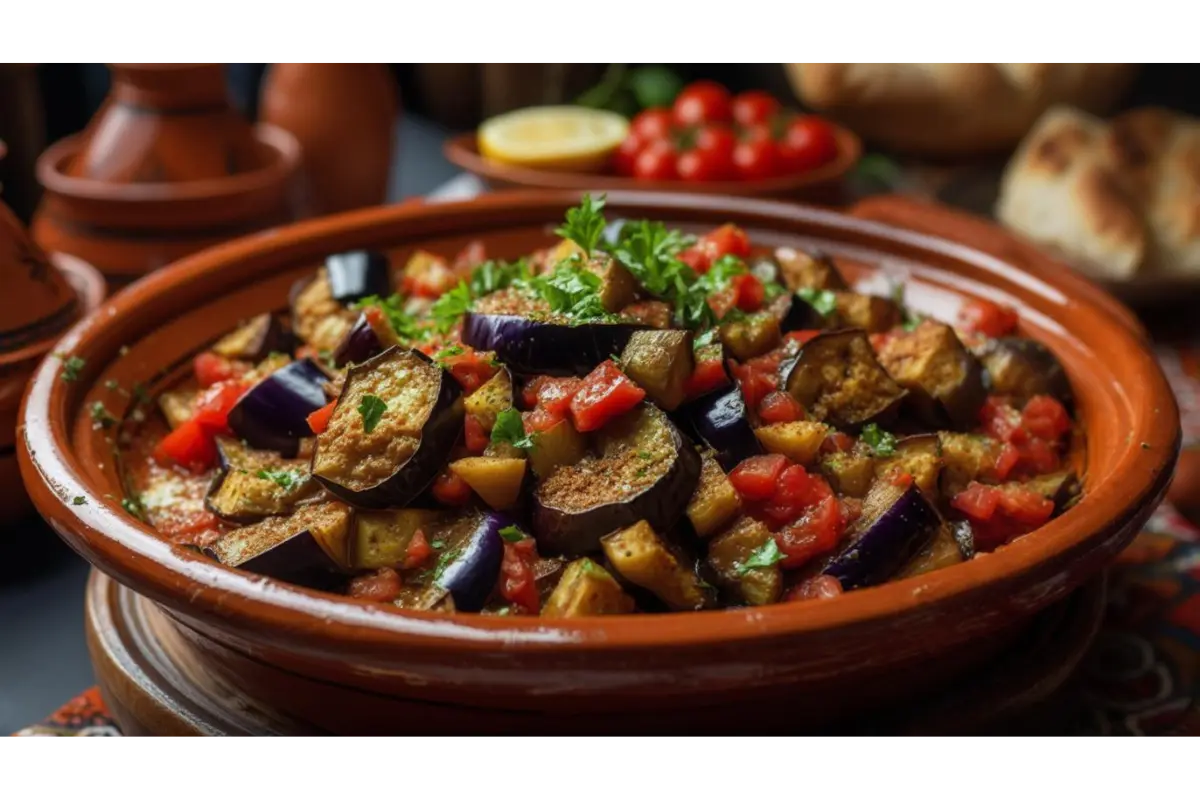
Zaalouk stands as one of Morocco's most beloved and ubiquitous cooked salads—a dish that transcends the simple category of 'dip' to become a culinary cornerstone. In a country where salads (known collectively as 'salades marocaines') are not mere starters but an integral part of every meal, zaalouk holds pride of place for its bold flavors, velvety texture, and remarkable versatility. The name itself comes from the Arabic verb 'za'alaka', meaning 'to be crushed' or 'mashed', perfectly describing the final texture achieved through the traditional cooking method. This is not raw vegetables chopped and dressed, but a slow-simmered melding of roasted eggplant and ripe tomatoes with garlic, spices, and olive oil—a transformation that turns humble ingredients into something deeply complex and satisfying. The process begins with charring eggplants over open flame, imparting that essential smoky note that distinguishes authentic zaalouk from milder versions. Then comes the gentle simmering, where tomatoes break down into a rich sauce, eggplant flesh dissolves into creamy submission, and spices permeate every molecule. The final texture should be thick enough to hold its shape on a spoon but creamy enough to spread effortlessly on bread—a balance achieved through patient cooking and careful mashing. More than just a recipe, zaalouk embodies Moroccan culinary philosophy: taking seasonal, affordable ingredients and through technique and spice, elevating them to something extraordinary. It's served warm in winter for comfort, chilled in summer for refreshment, at elaborate feasts as part of a salad spread, and in humble homes as simple sustenance with bread. Every Moroccan family has their version—some add green peppers, some swear by a pinch of sugar, some insist on cumin dominance while others prefer paprika—but all agree on its essential place at the table. Whether scooped with crusty bread, served alongside grilled meats, stuffed into sandwiches, or eaten by the spoonful straight from the refrigerator, zaalouk represents the soul of Moroccan home cooking: unpretentious, deeply flavorful, and made to share.
About This Recipe
Zaalouk's story is woven into the fabric of Moroccan daily life—a humble dish born from necessity that became a national treasure. Its origins trace back to the indigenous Berber communities who cultivated eggplants and tomatoes after their introduction from the New World. Eggplants arrived in North Africa via Moorish Spain in the Middle Ages, while tomatoes came later via Portuguese and Spanish traders in the 16th century. The Berbers, practical cooks who wasted nothing, developed techniques to transform these sometimes-bitter vegetables into delicious, nourishing food. The method of charring eggplants over open fire served dual purposes: it removed the bitter skin and imparted smoky flavor that enhanced preservation in days before refrigeration. The name 'zaalouk' itself comes from the Arabic 'za'alaka', meaning 'to be crushed'—referring both to the mashing technique and the way ingredients are crushed together in cooking. As Morocco's culinary traditions evolved through Arab, Andalusian, and French influences, zaalouk remained a constant—a dish of the people, affordable and adaptable. Each region developed variations: coastal areas might add preserved fish (zaalouk bel hout), the Sahara might include dates for sweetness, urban centers like Fez might make it finer and more elaborately spiced. But the basic formula remained—eggplants, tomatoes, garlic, cumin, paprika, and olive oil. In Moroccan households, zaalouk became more than food; it became ritual. Friday meals after prayers would include it as part of the salad spread. Ramadan iftar tables featured it to break the fast. Wedding feasts presented it in decorative mounds. Street vendors sold it stuffed in bread as quick, nourishing food. Moroccan mothers taught daughters not just the recipe but the sensory cues—how the eggplants should sound when properly charred, how the mixture should smell when spices had bloomed, how it should feel when mashed to the right consistency. The dish traveled with Moroccan immigrants to France, Belgium, Spain, and beyond, becoming an ambassador of Moroccan cuisine—approachable yet distinctive, familiar yet exotic. In recent decades, as global interest in Mediterranean and plant-based diets grew, zaalouk found new audiences appreciating its healthful qualities: low in calories, high in fiber, rich in antioxidants from tomatoes and eggplant, and heart-healthy from olive oil. Food historians note that zaalouk represents a culinary bridge—between ancient Berber techniques and modern tastes, between rustic peasant food and sophisticated appetizer, between Moroccan tradition and global kitchen. Unlike many dishes that changed dramatically over centuries, zaalouk's essence remains remarkably consistent: slow-cooked vegetables transformed by fire and spice into something greater than the sum of their parts. Today, it appears in Moroccan restaurants worldwide, in cookbooks celebrating Mediterranean cuisine, and in home kitchens where its comforting aroma evokes memories of shared meals. It was included in Morocco's submission to UNESCO's intangible cultural heritage list for cuisine, recognized not as elite gastronomy but as everyday food that sustains cultural identity. Zaalouk's enduring appeal lies in its simplicity and depth—proof that great cooking doesn't require expensive ingredients, only understanding, patience, and respect for tradition.
Nutritional Info (per serving)
Recipe Tags
Understanding the Ingredients
Eggplants (Aubergines)
Choose 2 medium-sized eggplants (about 1.5 lbs total) with smooth, shiny skin and firm flesh. The traditional method involves charring them whole over an open flame (gas burner, grill, or broiler) until the skin blackens and the flesh inside becomes tender and smoky. This step is non-negotiable for authentic flavor—it provides the distinctive smoky depth that defines zaalouk. Smaller, younger eggplants have fewer seeds and less bitterness. After charring, the eggplants are peeled (skin discarded), drained of excess liquid, and the flesh is chopped or mashed.
Fresh Tomatoes
Use 4-5 ripe but firm tomatoes (about 1.5 lbs). The tomatoes should be grated—a traditional Moroccan technique where tomatoes are cut in half horizontally and grated on a box grater, leaving the skin behind. This creates a smooth tomato pulp without the need for peeling or chopping finely. Canned crushed tomatoes can substitute out of season, but fresh provides brighter flavor. The tomatoes break down during cooking to form the saucy base that binds the zaalouk.
Garlic
Fresh garlic is essential—4-5 cloves, minced or pressed. Unlike raw garlic in many dips, here it cooks slowly with the tomatoes and eggplant, mellowing to a sweet, pervasive background note rather than sharp bite. Some cooks add extra raw garlic at the end for a pungent kick. The garlic should be fresh, not powdered or pre-minced.
Spice Blend
The spice profile is simple but crucial: sweet paprika (1 tablespoon) provides color and mild sweetness; ground cumin (2 teaspoons) offers earthy warmth; optionally, a pinch of cayenne or harissa paste for heat. Some versions include ground coriander or a pinch of turmeric. The spices are added early to cook with the tomatoes, allowing their flavors to meld and lose any raw taste.
Fresh Herbs
A generous amount of fresh cilantro (½ cup chopped) and parsley (¼ cup chopped) are stirred in at the end, preserving their bright green color and fresh flavor. The cilantro is particularly important—its distinctive flavor is integral to Moroccan zaalouk. Some cooks also add fresh mint for an extra layer of freshness. The herbs should be finely chopped but not pulverized.
Olive Oil & Lemon
Extra virgin olive oil (¼ cup) is used both for cooking and drizzling at the end. The quality matters—a fruity, peppery olive oil enhances the dish. Fresh lemon juice (2-3 tablespoons) adds essential acidity that brightens the rich eggplant and tomato base. Some add a splash of vinegar instead or in addition.
Step-by-Step Cooking Guide
Char and Prepare Eggplants
Prick eggplants several times with a fork to prevent bursting. Char over open flame: place directly on gas burner (medium flame) or under broiler, turning every 3-4 minutes with tongs until skin is completely blackened and blistered and flesh is very soft (20-25 minutes total). Alternatively, roast on baking sheet at 450°F (230°C) for 30-40 minutes until collapsed. Transfer to colander, let cool until handleable. Peel off blackened skin under running water—it should slip off easily. Place peeled eggplant in colander, press gently to remove excess bitter liquid. Chop flesh coarsely or mash with fork. Set aside.
Tip: Charring over direct flame provides essential smoky flavor. If using oven, finish under broiler for some char. Don't skip draining eggplant—removes bitterness.
Prepare Tomato Base
While eggplants cool, prepare tomatoes: cut in half horizontally, grate on box grater into bowl, discarding skins. You should have about 2 cups tomato pulp. Mince garlic cloves. Heat 3 tablespoons olive oil in large skillet or saucepan over medium heat. Add minced garlic, sauté 30 seconds until fragrant but not browned. Add grated tomatoes with their juice. Stir in spices: paprika, cumin, optional cayenne. Add ½ teaspoon salt. Bring to simmer.
Tip: Grating tomatoes is efficient—no peeling or fine chopping needed. Cook garlic briefly to remove raw edge but not brown it.
Simmer and Combine
Once tomato mixture simmers, add the prepared eggplant flesh. Stir to combine. Reduce heat to low-medium—mixture should bubble gently. Cook uncovered, stirring occasionally, for 20-25 minutes. As it cooks, the tomatoes will break down further and the eggplant will soften completely. The mixture will reduce and thicken significantly. Use the back of your spoon or a potato masher to break up any large eggplant pieces toward the end.
Tip: Cooking uncovered allows excess liquid to evaporate, concentrating flavors. Stir occasionally to prevent sticking but not constantly.
Mash to Desired Consistency
After 20-25 minutes, the zaalouk should be thick but still moist. Remove from heat. For traditional texture, mash with potato masher or wooden spoon until fairly smooth but with some texture remaining—it should not be completely pureed. For chunkier version, mash minimally. For smoother dip, use immersion blender briefly (but not to complete puree).
Tip: Texture is personal preference—most Moroccans prefer it well-mashed but not completely smooth. Don't over-blend.
Finish with Fresh Elements
Stir in chopped fresh cilantro and parsley. Add lemon juice to taste—start with 2 tablespoons, adjust. Drizzle with remaining tablespoon olive oil. Taste and adjust seasoning: likely needs more salt (start with ¼ teaspoon), pepper, perhaps pinch of sugar if tomatoes were acidic. The zaalouk should be highly seasoned—flavors will mellow when cooled.
Tip: Add herbs off heat to preserve color and freshness. Lemon brightens everything—add gradually and taste.
Rest and Serve
Let zaalouk cool to room temperature in pan, about 15-20 minutes. It will thicken further as it cools. Transfer to serving bowl. For best flavor, cover and refrigerate at least 2 hours or overnight before serving—this allows flavors to meld beautifully. Can be served warm, room temperature, or chilled.
Tip: Resting time is crucial—flavors develop significantly. Overnight refrigeration yields best results.
Presentation and Serving
To serve, drizzle with extra virgin olive oil. Garnish with additional chopped herbs, a sprinkle of paprika or cumin, and optionally olives or lemon wedge. Create shallow wells in surface with back of spoon to hold olive oil. Serve with warm Moroccan bread (khobz), pita, crusty baguette, or as part of mezze spread with other salads.
Tip: The olive oil drizzle is both garnish and flavor enhancer. Traditional presentation is in shallow bowl with bread on side.
Common Mistakes to Avoid
❌ Skipping the Charring Step
Solution: Roasting eggplants without charring over direct flame results in missing the essential smoky flavor. Always char eggplants on gas burner, grill, or under broiler until skin is blackened. This transforms the dish from simple eggplant mash to authentic zaalouk.
❌ Not Draining Eggplant Properly
Solution: Eggplants contain bitter liquid that should be drained after peeling. Place peeled eggplant in colander, press gently, let drain 5-10 minutes. Skipping this can result in watery, slightly bitter zaalouk.
❌ Cooking Too Quickly on High Heat
Solution: Zaalouk should simmer gently, not boil rapidly. High heat causes tomatoes to splatter and can burn garlic and spices. After initial simmer, reduce to low-medium for slow, even cooking that melds flavors without scorching.
❌ Underseasoning
Solution: Eggplants and tomatoes need generous seasoning. Taste repeatedly during cooking and especially after cooling—flavors mute when cold. It should taste slightly over-seasoned when warm to be perfectly seasoned when served.
❌ Adding Herbs Too Early
Solution: Fresh herbs lose color and flavor if cooked too long. Stir in cilantro and parsley only after removing from heat or just before serving. This preserves their bright flavor and vibrant green color.
❌ Making Texture Too Smooth
Solution: Over-mashing or blending creates baby-food consistency. Authentic zaalouk has some texture—creamy but with occasional small pieces of eggplant. Mash with potato masher or wooden spoon, not food processor.
❌ Serving Immediately Without Resting
Solution: Zaalouk benefits immensely from resting time. Flavors meld and deepen when allowed to sit at least 30 minutes, preferably several hours or overnight. Serve immediately only if necessary.
Ingredient Substitutions
Instead of: Fresh Tomatoes
Use: 1 can (28 oz) crushed tomatoes or 2 cups tomato puree. Reduce cooking time by 5-10 minutes since canned tomatoes are already broken down. May need pinch of sugar to balance acidity.
Instead of: Cilantro
Use: If you dislike cilantro, use all parsley or add small amount of fresh mint. However, cilantro is traditional and provides distinctive flavor.
Instead of: Open Flame for Charring
Use: If no gas stove or grill, roast eggplants at 450°F (230°C) on baking sheet 30-40 minutes until soft, then finish under broiler 5 minutes for some char. Flavor will be less smoky but still good.
Instead of: Fresh Garlic
Use: Roasted garlic (6-8 cloves) for sweeter, milder flavor. Mash roasted garlic into tomato mixture. Not traditional but delicious.
Instead of: Lemon Juice
Use: White wine vinegar or red wine vinegar (1-2 tablespoons). Or preserved lemon brine (1 tablespoon) for Moroccan twist.
Serving Suggestions
Serve as part of Moroccan salad spread alongside taktouka, carrot salad, beet salad, and olives.
Spread generously inside Moroccan bread (khobz) with grilled meat or fish for a sandwich.
As dip with warm pita triangles, crusty baguette, or vegetable crudités.
Alongside grilled meats, fish, or chicken—especially good with lamb chops or merguez sausage.
As side dish with couscous or tagine instead of cooked vegetables.
Topped with fried egg for hearty breakfast or brunch—Moroccan-style shakshuka variation.
Stuffed into roasted bell peppers or tomatoes and baked.
As vegetarian main with boiled eggs, canned tuna, or feta cheese for protein.
On crostini or bruschetta as appetizer for parties.
Thinned with yogurt or tahini for creamy salad dressing.
Storage & Reheating Guide
Storage
Store cooled zaalouk in airtight container in refrigerator up to 5 days. Flavors improve over first 2-3 days. Can be frozen up to 3 months, though texture may become slightly watery upon thawing (stir well after thawing). Do not freeze with fresh herbs—add after thawing.
Reheating
Serve cold, at room temperature, or gently reheated. To reheat: microwave portions 1-2 minutes, stirring halfway, or warm in saucepan over low heat with splash of water if too thick. If serving warm, reheat gently—do not boil.
Tips: If zaalouk separates in refrigerator, stir well before serving. A layer of olive oil on surface helps preserve it. Always taste and adjust seasoning after refrigeration—cold dulls flavors.
Frequently Asked Questions
Recipe by

Similar Recipes


Our Recipe Ebooks
Discover our collection of authentic Moroccan recipe ebooks. Learn traditional cooking methods and create delicious meals at home.
The Moroccan Vegen
The Royal Moroccan Table -Part1
The Royal Moroccan Table -Part2
YouTube Channel
Watch step-by-step cooking videos, learn professional techniques, and get inspired by traditional and modern recipes from around the world.
Latest Video
"Traditional Moroccan Tagine Masterclass"