
Introduction
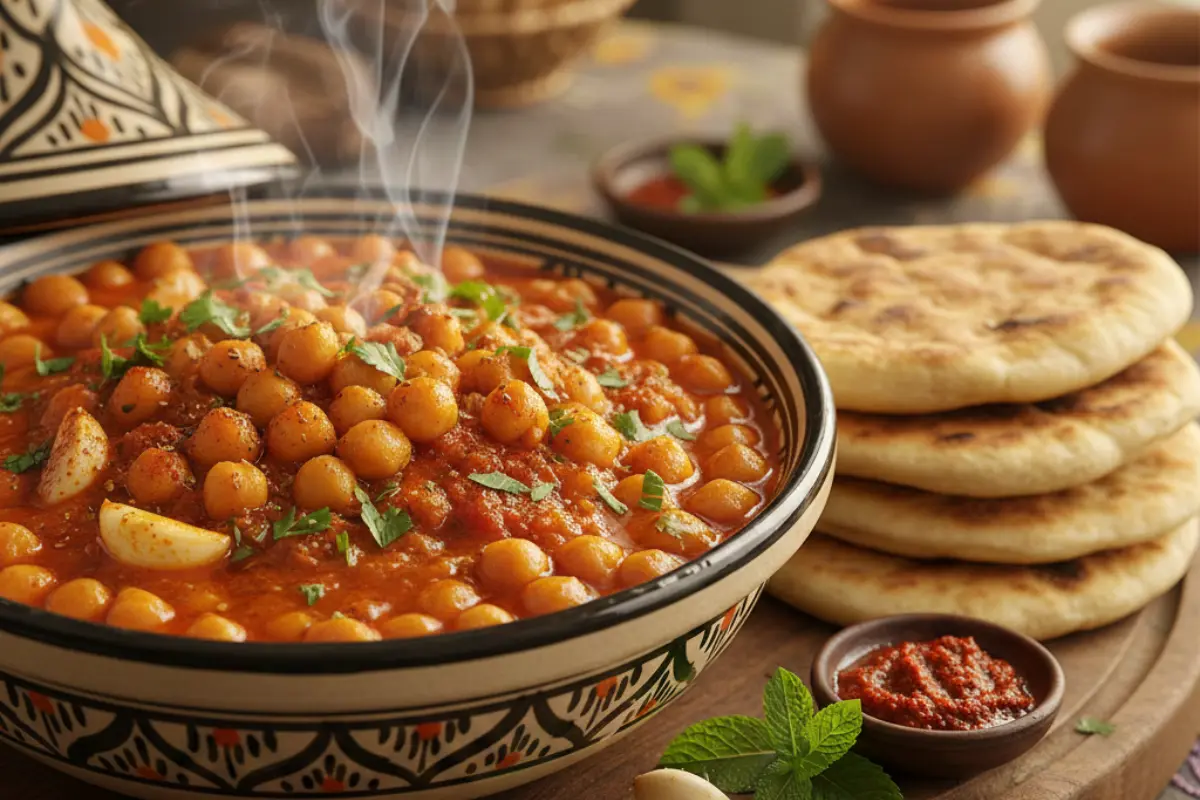
Moroccan chickpea stew, known simply as hummus in Moroccan Arabic (not to be confused with the Middle Eastern chickpea dip), represents the soul of Moroccan home cooking - simple, nourishing, deeply flavorful, and economical. This humble yet satisfying dish transforms basic chickpeas into something extraordinary through the magic of Moroccan spices, aromatics, and cooking technique. Unlike plain boiled chickpeas, Moroccan-style chickpeas are simmered in a rich, thick tomato sauce infused with cumin, paprika, garlic, fresh herbs, and sometimes a touch of warming spices like cinnamon or ginger. The result is a dish that's simultaneously hearty and comforting, with layers of flavor that belie its simple ingredient list and straightforward preparation.
What makes this chickpea stew so beloved in Moroccan households is its incredible versatility and practicality. It's completely vegetarian and vegan (when oil is used instead of butter), making it perfect for meatless meals without sacrificing substance or satisfaction. The chickpeas provide excellent protein and fiber, while the tomato sauce enriched with olive oil delivers richness and body. The dish works equally well as a main course served with crusty bread for dipping, spooned over fluffy couscous or rice, or as a substantial side dish accompanying grilled vegetables or other vegetarian preparations. In Morocco, this chickpea stew appears regularly on family tables, especially during Ramadan when hearty, protein-rich vegetarian dishes are valued for their ability to sustain energy after fasting.
The beauty of Moroccan chickpeas lies in the depth of flavor achieved through simple techniques. Sautéing the aromatics and spices until fragrant, using good quality tomatoes (fresh or canned), allowing the sauce to simmer and reduce until thick and concentrated, and finishing with fresh herbs creates a dish that tastes like it's been cooking for hours even when preparation is quick. Regional variations exist - some versions include preserved lemon for tanginess, others add potatoes or carrots for additional substance, and coastal areas might include a pinch of saffron. Whether served as everyday family dinner or as part of a vegetarian feast, Moroccan chickpeas deliver authentic flavor, comfort, and nourishment in every spoonful.
About This Recipe
Moroccan chickpea stew represents the foundation of North African home cooking - nourishing, economical, deeply flavorful, and accessible to all social classes. Chickpeas have been cultivated and consumed in North Africa since ancient times, valued for their protein content, long storage life, and ability to thrive in Mediterranean climates. The Berber peoples of Morocco relied on legumes like chickpeas as dietary staples long before Arab influences arrived, and chickpeas remained central to Moroccan cuisine as culinary traditions evolved over centuries. The preparation of chickpeas in rich tomato sauce with aromatic spices developed as Moroccan cuisine incorporated influences from multiple cultures - Berber, Arab, Andalusian, and Mediterranean. Tomatoes arrived from the New World in the sixteenth century and were quickly embraced in North African cooking, while the distinctive spice blends using cumin, coriander, ginger, and other aromatics came from ancient spice trade routes and Arab culinary traditions. The result is a dish that feels both timeless and distinctly Moroccan. In Moroccan homes, chickpea stew appears regularly on family tables as affordable, nutritious everyday food that feeds many from humble ingredients. The dish is particularly valued during Ramadan when protein-rich, satisfying vegetarian dishes help sustain energy after fasting - chickpeas provide excellent nutrition and the hearty, flavorful sauce breaks the fast gently while delivering comfort and satisfaction. Beyond religious occasions, chickpeas are budget-friendly family food, student food, and working-class staple that transcends economic boundaries. The dish also represents Moroccan vegetarian cooking at its best - while Moroccan cuisine is often associated with elaborate meat tagines, the vegetarian repertoire is extensive and sophisticated, with chickpea stew standing as a prime example. Regional variations exist throughout Morocco - some areas favor more cumin, others emphasize preserved lemon; coastal versions might include saffron, while inland recipes feature warming cinnamon; some cooks add potatoes or other vegetables for substance. The basic technique remains consistent - sautéing aromatics and spices, building rich tomato sauce, and simmering chickpeas until tender and flavorful. Today, Moroccan chickpeas remain beloved throughout Morocco and among diaspora communities worldwide, representing home cooking, comfort, and nourishment. The dish has gained appreciation internationally as interest in vegetarian and vegan cuisine grows, with its bold flavors, satisfying texture, and nutritional profile appealing to modern health-conscious eaters. Whether served in humble family kitchens or trendy vegetarian restaurants, Moroccan chickpeas continue to deliver authentic flavor, comfort, and the time-honored wisdom of simple ingredients transformed through skillful seasoning and technique.
Nutritional Info (per serving)
Recipe Tags
Understanding the Ingredients
Chickpeas
Chickpeas (garbanzo beans) are the foundation of this dish. You can use either dried chickpeas or canned for convenience. Dried chickpeas (two cups, which yields about five to six cups cooked) provide the best texture and flavor but require overnight soaking and cooking before using in the recipe - soak in plenty of cold water overnight, drain, then simmer in fresh water for one to one and a half hours until tender but not mushy. Canned chickpeas (three 15-ounce cans, drained and rinsed) are much more convenient and work beautifully for this dish, making it quick enough for weeknight cooking. If using canned, rinse thoroughly to remove excess sodium and any canning liquid. The chickpeas should be tender but still hold their shape - they'll continue to soften slightly as they simmer in the sauce.
Tomatoes
Tomatoes form the base of the rich sauce that makes this dish so flavorful. You'll need about two pounds of fresh ripe tomatoes (peeled, seeded, and chopped) or two 14-ounce cans of diced tomatoes. Canned tomatoes are often more convenient and reliable, providing consistent flavor year-round. Some cooks use a combination of fresh tomatoes and tomato paste (two to three tablespoons) for concentrated tomato flavor and to help thicken the sauce. The tomatoes break down during cooking, creating a thick, rich sauce that coats the chickpeas beautifully. San Marzano or other high-quality canned tomatoes provide the best flavor.
Aromatics
The aromatic foundation includes onions (one to two large, finely chopped or grated) and garlic (six to eight cloves, minced). The onions provide sweetness and body to the sauce, while garlic adds pungent depth - Moroccan cooking is generous with garlic. Some versions include fresh ginger (one tablespoon grated) for additional warmth and complexity. These aromatics are sautéed in olive oil until soft and fragrant before adding spices and tomatoes, creating the flavorful base that permeates the entire dish.
Spice Blend
The warm, aromatic spice blend is what transforms ordinary chickpeas into distinctly Moroccan fare. Ground cumin (two teaspoons) is essential and provides the characteristic earthy, warm flavor. Paprika (one tablespoon) adds sweet pepper flavor and beautiful reddish color. Ground coriander (one teaspoon) contributes citrusy warmth. Turmeric (half a teaspoon) adds golden color and earthy notes. Ground ginger (half a teaspoon) provides warming spice. Cayenne pepper or hot paprika (quarter teaspoon, optional) adds heat for those who enjoy it. Some versions include a small pinch of cinnamon for subtle sweet warmth. All spices should be fresh and aromatic for best results - old, stale spices create dull flavor.
Fresh Herbs
Fresh herbs provide brightness and freshness that balance the rich sauce and warm spices. Fresh cilantro (half to three-quarters cup, chopped) is traditional and essential for authentic Moroccan flavor. Fresh parsley (half cup, chopped) adds fresh, green notes. The herbs are added in two stages - some go into the sauce during cooking to infuse their flavors, while a generous handful is stirred in at the end or used as garnish for maximum fresh impact. The combination of cilantro and parsley is characteristic of Moroccan cooking and should not be substituted with dried herbs.
Olive Oil
Good quality olive oil (quarter to half cup) is essential for authentic flavor and creates the rich, silky sauce characteristic of Moroccan chickpeas. The oil carries the spices, helps cook the aromatics, and adds body and richness to the tomato sauce. Extra virgin olive oil provides the best flavor. Some traditional versions use a mixture of olive oil and butter (or smen, Moroccan preserved butter) for extra richness, but using only olive oil keeps the dish vegan.
Preserved Lemon (Optional)
Preserved lemon (one, rinsed and chopped - use only the rind, discard pulp) is an optional but wonderful addition that adds the characteristic tangy, fermented citrus flavor found in many Moroccan dishes. If unavailable, you can omit it or substitute with fresh lemon zest and a squeeze of lemon juice at the end of cooking, though the flavor will be different. Preserved lemon elevates this humble dish significantly.
Step-by-Step Cooking Guide
Prepare Chickpeas
If using dried chickpeas, plan ahead: rinse two cups dried chickpeas, place in large bowl, cover with plenty of cold water (chickpeas will double in size), and soak overnight or at least eight hours. Drain soaking water, transfer chickpeas to large pot, cover with fresh water by two inches, bring to boil, then reduce heat and simmer gently for one to one and a half hours until tender but not mushy. Drain and set aside. If using canned chickpeas (more convenient), open three 15-ounce cans, drain thoroughly, and rinse under cold running water to remove excess sodium and canning liquid. Set aside. The chickpeas should be tender but still hold their shape - they'll soften slightly more during simmering in the sauce.
Tip: Dried chickpeas provide best texture but require advance planning. Canned chickpeas are convenient and work beautifully - rinse well. Cook dried chickpeas until tender but firm - they'll continue cooking in sauce.
Sauté Aromatics
Heat quarter to half cup of olive oil in a large, deep skillet or pot over medium heat. Add one to two large onions (finely chopped or grated - grating creates smoother texture) and sauté for six to eight minutes, stirring occasionally, until very soft, translucent, and beginning to turn golden. The onions should break down and almost melt into the oil. Add six to eight minced garlic cloves and one tablespoon grated fresh ginger if using. Sauté for one to two minutes, stirring constantly, until fragrant but not browned - don't let the garlic burn or it will become bitter. This aromatic base is the foundation of the dish's flavor.
Tip: Use enough oil - it creates the rich sauce. Cook onions until very soft and sweet. Grated onions create smoother texture. Don't burn garlic - stir constantly and reduce heat if needed.
Add Spices
Add your spice blend to the softened aromatics: two teaspoons ground cumin, one tablespoon paprika, one teaspoon ground coriander, half a teaspoon turmeric, half a teaspoon ground ginger, quarter teaspoon cayenne or hot paprika (if using), and a pinch of cinnamon if desired. Stir constantly for one to two minutes, allowing the spices to bloom in the hot oil and become intensely fragrant. This blooming process is crucial - it activates the aromatic compounds in the spices and removes any raw flavor. The mixture should smell incredible and the spices should coat the onions evenly. If the mixture seems dry, add a bit more olive oil.
Tip: Stir constantly when cooking spices - they can burn quickly. Cook until intensely fragrant - this blooming is essential. Fresh spices make enormous difference in flavor depth.
Add Tomatoes and Build Sauce
Add two to three tablespoons of tomato paste to the spiced aromatics and stir constantly for one to two minutes, cooking the paste to remove any raw flavor and deepen its color. Then add your tomatoes - either two 14-ounce cans of diced tomatoes with their juices, or two pounds of fresh tomatoes (peeled, seeded, and chopped). Stir well, breaking up any large tomato pieces with your spoon. Add one to one and a half teaspoons of salt, half a teaspoon of black pepper, and one to two cups of water or vegetable stock - start with one cup and add more if needed for desired consistency. If using preserved lemon, add the chopped rind now (one preserved lemon, rinsed, pulp discarded, rind finely chopped). Stir in half of your fresh herbs (quarter to half cup chopped cilantro and quarter cup parsley). Bring to a boil.
Tip: Cook tomato paste first to deepen flavor. Break up tomato pieces for smoother sauce. Start with less liquid - easier to add more than remove excess. Season generously with salt.
Add Chickpeas and Simmer
Once the sauce is boiling, add your prepared chickpeas (either the cooked dried chickpeas or the drained and rinsed canned chickpeas - about five to six cups total). Stir gently to coat the chickpeas evenly with the sauce. Reduce heat to medium-low to maintain a gentle simmer. Partially cover the pot, leaving it slightly ajar to allow steam to escape. Simmer gently for twenty-five to thirty-five minutes, stirring occasionally, until the sauce has thickened considerably and reduced, coating the chickpeas richly. The chickpeas will absorb flavors during this simmering and become tender and flavorful. If the sauce becomes too thick, add water or stock in small amounts. If too thin, continue simmering uncovered to reduce. The final consistency should be thick and saucy but not dry - somewhere between soup and stew.
Tip: Maintain gentle simmer - vigorous boiling can make chickpeas mushy. Stir occasionally to prevent sticking. Adjust liquid as needed during cooking. Sauce should be thick and coat chickpeas richly.
Final Seasoning and Finish
Once the chickpeas are tender and the sauce is thick and flavorful, taste and adjust seasoning. You'll likely need to add more salt - chickpeas absorb a lot and the dish should be well-seasoned and flavorful, not bland. Add more cumin if you want deeper earthiness, more cayenne for heat, or a squeeze of fresh lemon juice for brightness if not using preserved lemon. Stir in the remaining fresh herbs - quarter to half cup chopped cilantro and quarter cup chopped parsley - reserving a bit for garnish. Let the chickpeas rest off the heat for five to ten minutes before serving - this allows the flavors to settle and meld together. During resting, the sauce will thicken slightly more.
Tip: Taste and season boldly - chickpeas need generous salt. Fresh herbs at end add brightness. Resting time allows flavors to meld. The dish tastes even better after sitting or the next day.
Serve
Spoon the hot chickpeas into serving bowls or a large serving dish. Drizzle with a bit of olive oil for sheen and richness. Garnish generously with the reserved fresh cilantro and parsley. If desired, add a squeeze of fresh lemon juice over the top for brightness. Serve hot with crusty bread, Moroccan khobz, or warm pita for dipping and soaking up the delicious sauce. Alternatively, serve over fluffy couscous, rice, or bulgur as a hearty main course. Moroccan chickpeas are also excellent served at room temperature as part of a mezze spread or vegetarian buffet.
Tip: Serve hot or warm for best flavor. Drizzle with olive oil for traditional finish. Generous herb garnish adds color and freshness. Crusty bread is essential for authentic experience.
Common Mistakes to Avoid
❌ Using Old or Stale Spices
Solution: Old spices create flat, dull flavor that makes the dish taste bland despite proper technique. Always use fresh, aromatic spices - if your cumin or paprika has been sitting in the cupboard for years, replace it. Fresh spices bloom beautifully and create the complex, layered flavor that makes this dish special.
❌ Not Cooking Aromatics Long Enough
Solution: Rushing the initial sautéing of onions and garlic results in harsh, raw flavors instead of sweet, mellow depth. Cook the onions until very soft and beginning to caramelize - this takes time but builds essential flavor foundation. The onions should almost melt into the oil.
❌ Under-Seasoning
Solution: The most common mistake is not using enough salt. Chickpeas are bland and absorb tremendous amounts of seasoning. Taste and add salt boldly until the dish is well-seasoned and flavorful. Under-seasoned chickpeas taste boring and disappointing despite proper spicing.
❌ Sauce Too Thin or Too Thick
Solution: The sauce should be thick and coat the chickpeas richly but not be dry or pasty. If too thin, simmer uncovered to reduce. If too thick, add water or stock gradually. The right consistency is somewhere between soup and stew - thick and saucy but spoonable.
❌ Overcooking Chickpeas to Mush
Solution: Chickpeas should be tender but still hold their shape with slight texture. Overcooked chickpeas become mushy and unappetizing. If using canned chickpeas, they're already tender so need only gentle simmering. If using dried, cook until tender but firm before adding to sauce.
❌ Skipping Fresh Herbs
Solution: Fresh cilantro and parsley are essential and cannot be replaced with dried herbs without significantly changing the dish's character. The fresh herbs provide brightness and freshness that balance the rich sauce and warm spices. Don't skip them or substitute dried versions.
Ingredient Substitutions
Instead of: Dried Chickpeas
Use: Three 15-ounce cans of chickpeas (drained and rinsed) make convenient substitute. Dried chickpeas provide better texture but require advance planning. Canned work beautifully for quick preparation.
Instead of: Fresh Tomatoes
Use: Two 14-ounce cans of diced tomatoes are more convenient and reliable. Good quality canned tomatoes often taste better than off-season fresh tomatoes. Crushed tomatoes or tomato sauce also work.
Instead of: Preserved Lemon
Use: If unavailable, omit or substitute with zest of one fresh lemon plus squeeze of lemon juice at the end. Some add thin slices of fresh lemon during cooking. Flavor differs but still delicious.
Instead of: Fresh Cilantro
Use: If you dislike cilantro (some people find it soapy), use all parsley instead. Fresh herbs are essential - dried herbs won't provide the same brightness and should not be used.
Instead of: Vegetable Stock
Use: Water works perfectly fine and is traditional. Vegetable stock adds more depth but isn't necessary. Chicken stock can be used if not keeping dish vegetarian.
Serving Suggestions
Serve Moroccan chickpeas as main course with crusty bread, Moroccan khobz, or warm pita for dipping into the rich sauce.
Spoon over fluffy couscous, rice, bulgur, or quinoa for hearty, protein-rich vegetarian meal.
Include as part of Ramadan iftar spread alongside harira soup, dates, and other traditional dishes.
Serve warm or at room temperature as substantial side dish with grilled vegetables, roasted cauliflower, or vegetarian tagines.
Present as part of mezze or appetizer spread with Moroccan salads, zaalouk, taktouka, and olives.
Top with hard-boiled eggs for additional protein and traditional Moroccan presentation.
Accompany with Moroccan carrot salad, orange and olive salad, or cucumber tomato salad for fresh contrast.
Serve with steamed vegetables or roasted root vegetables for complete, balanced vegetarian meal.
Pack in containers for healthy, protein-rich lunches - tastes even better the next day.
Storage & Reheating Guide
Storage
Moroccan chickpeas store exceptionally well and actually taste better the next day as flavors continue to meld and develop. Let cool to room temperature within two hours, then transfer to airtight containers and refrigerate for up to five days. The sauce will thicken considerably during refrigeration as chickpeas continue absorbing liquid - this is normal and expected. For longer storage, freeze in portion-sized containers for up to three months. Thaw frozen chickpeas overnight in refrigerator before reheating. The dish maintains excellent texture and flavor after freezing, making it ideal for batch cooking and meal prep.
Reheating
To reheat from refrigerated, place chickpeas in a pot over medium-low heat. Add quarter to half cup of water or vegetable stock to thin the sauce, which will have thickened during storage - stir well as the chickpeas heat. Heat gently for ten to fifteen minutes, stirring occasionally, until warmed through. Taste and adjust seasoning - you may need to add more salt or a squeeze of fresh lemon juice to brighten flavors. Stir in fresh herbs just before serving for maximum freshness. Microwave reheating works for individual portions - add a splash of water, cover, and heat in one-minute intervals, stirring between, until hot. Add fresh herbs after reheating.
Tips: The dish thickens dramatically during storage - always add liquid when reheating. Taste and adjust seasoning after reheating - flavors mellow during storage. Fresh herbs added after reheating restore brightness. Make large batches intentionally - the dish keeps well and provides easy meals throughout the week.
Frequently Asked Questions
Recipe by

Similar Recipes


Our Recipe Ebooks
Discover our collection of authentic Moroccan recipe ebooks. Learn traditional cooking methods and create delicious meals at home.
The Moroccan Vegen
The Royal Moroccan Table -Part1
The Royal Moroccan Table -Part2
YouTube Channel
Watch step-by-step cooking videos, learn professional techniques, and get inspired by traditional and modern recipes from around the world.
Latest Video
"Traditional Moroccan Tagine Masterclass"