
Introduction
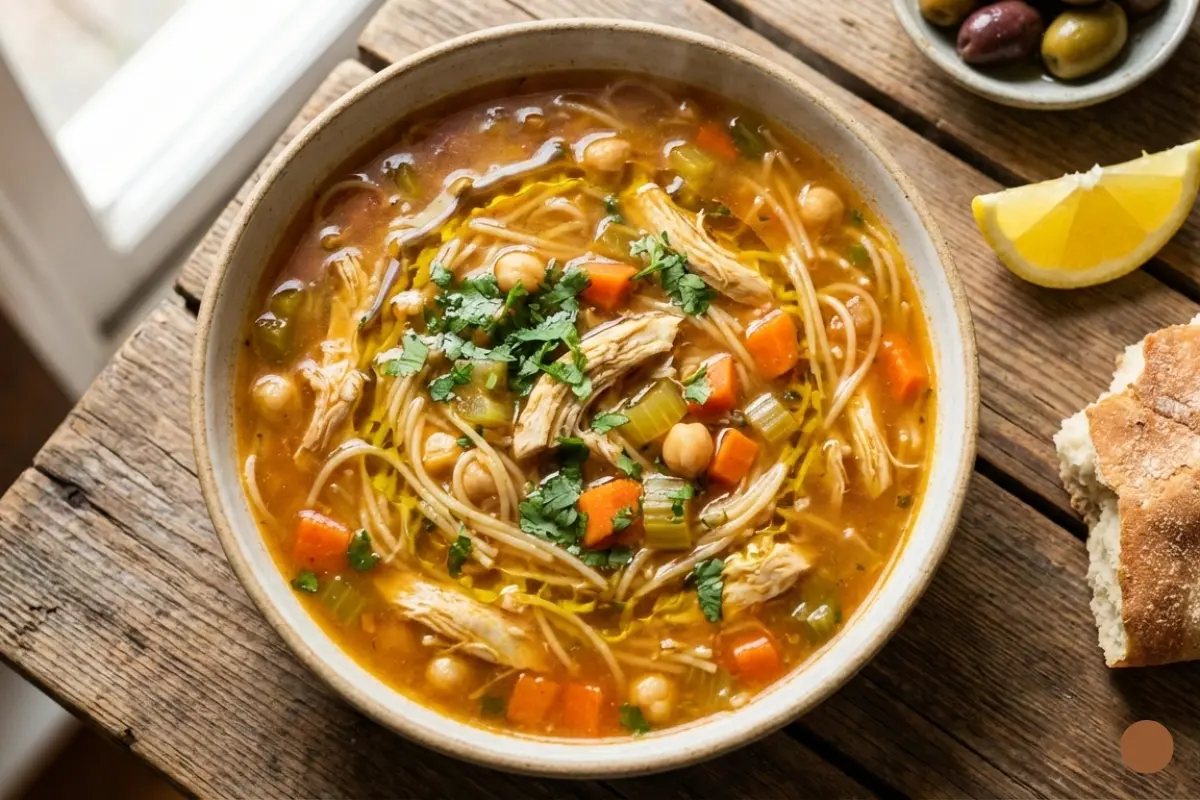
Moroccan Souba soup (also spelled Soba, Chouba, or Shourba in different regions) is one of Morocco's most beloved and deeply comforting everyday soups - a warming, fragrant bowl of thin vermicelli noodles simmered in a rich, golden broth with tender meat, vegetables, and the characteristic Moroccan spice blend that transforms simple ingredients into something deeply satisfying. Unlike the more ceremonial harira or the hearty chorba belboula, souba is quintessential weeknight home cooking - the soup a Moroccan mother makes when her family needs warmth, nourishment, and comfort without elaborate preparation. The name 'souba' (or 'shourba' meaning soup in Arabic) refers broadly to this style of thin noodle soup that appears in different forms throughout Morocco, with each family having its beloved version passed down through generations.
What makes souba so special is the perfect harmony of its simple components - thin vermicelli noodles (sha'riya in Arabic) that absorb the golden, spiced broth while remaining tender and slippery, tender pieces of chicken or lamb that have given their flavor to the liquid, soft vegetables that provide sweetness and nutrition, and the unmistakable Moroccan spice profile of cumin, ginger, turmeric, and saffron that makes even the most humble soup taste extraordinary. The broth is the soul of the dish - it should be golden, aromatic, and deeply flavorful, the result of patient simmering that coaxes every bit of flavor from meat, vegetables, and spices. Fresh cilantro and parsley stirred in at the end provide the bright, herby finish characteristic of Moroccan cooking.
Souba holds a particularly cherished place during Ramadan, when it appears on iftar tables throughout Morocco as a gentle, warming first course to break the fast. The light broth is easy on an empty stomach while the noodles provide quick energy and the meat offers protein after a day of fasting. It's also the classic sick-day soup of Moroccan culture - the bowl of comfort that mothers and grandmothers prepare for unwell family members, believing in the healing power of warm broth, fragrant spices, and nourishing ingredients. On cold winter evenings, few things rival the satisfaction of a steaming bowl of souba with crusty bread on the side. Whether as a starter, a light main course, or a soothing sick-day remedy, Moroccan souba soup delivers authentic comfort in every spoonful.
About This Recipe
Moroccan souba soup occupies a special place in the country's culinary heritage as the quintessential everyday comfort soup - less ceremonial than harira, less elaborate than tagines, but deeply beloved and present in kitchens throughout Morocco from the Mediterranean coast to the Saharan south. The word 'souba' or 'shourba' comes from the Arabic verb 'shariba' meaning to drink, reflecting the traditional way of enjoying thin, brothy soups - sipped directly from the bowl as much as eaten with a spoon. Vermicelli noodles (sha'riya in Arabic) arrived in North Africa through Arab culinary influence from the Middle East, where thin wheat noodles had been used in cooking for centuries, and found enthusiastic adoption in Moroccan kitchens where they became a staple pantry ingredient used in soups, stuffings, and side dishes. The combination of thin noodles in aromatic spiced broth with meat and vegetables represents the kind of practical, economical cooking that has sustained Moroccan families through generations - a dish that stretches modest amounts of meat through a flavorful broth, feeds many mouths from humble ingredients, and nourishes body and spirit simultaneously. The characteristic Moroccan spicing of the broth - saffron, cumin, ginger, turmeric - transforms what might elsewhere be an unremarkable noodle soup into something distinctly and recognizably Moroccan. During Ramadan, souba serves as the gentle soup that breaks the fast for families who prefer a lighter opening to the iftar meal, or as an alternative to harira on evenings when something simpler is desired. The soup's reputation as healing food is deeply embedded in Moroccan culture - it is universally acknowledged as the soup to prepare for sick family members, for recovering patients, for new mothers, and for anyone who needs gentle nourishment. This folk wisdom has real basis in the nutritional science of warm broth providing easy-to-digest nutrition, hydration, and the psychological comfort of being cared for through food. Regional variations exist throughout Morocco - some versions are more tomato-forward and deeply colored, others paler and more brothy; some families include a greater variety of vegetables, others keep it simple with just onion and celery; the spicing varies from mild and subtle to boldly aromatic. Coastal families might add a little chermoula (herb and spice marinade) to the broth, giving it the distinctive flavor of Moroccan seafood cooking even when the soup contains chicken. Mountain communities in the Atlas might make a heartier version with lamb and root vegetables that sustains through cold winters. The common thread is the comfort and nourishment the soup provides - a warm bowl of souba represents care, home, and the Moroccan belief that good food and loving preparation are the foundations of family wellbeing.
Nutritional Info (per serving)
Recipe Tags
Understanding the Ingredients
Vermicelli Noodles
The defining ingredient of souba is thin vermicelli noodles - called sha'riya in Moroccan Arabic. These are very thin, fine wheat noodles, similar to angel hair pasta but slightly thinner. Traditional Moroccan vermicelli comes in nest-shaped bundles and is made from durum wheat semolina. You'll need about two to three cups (or two to three nests) of dry vermicelli for six servings. The noodles are typically broken into shorter pieces (two to three inches) before adding to the soup for easier eating. They cook very quickly - just three to five minutes in the simmering broth - and have a delicate, tender texture that absorbs the golden broth beautifully. Be careful not to overcook them as they become mushy quickly. Some versions toast the vermicelli in a dry pan or with a bit of butter before adding to the soup, which adds a pleasant nutty flavor and helps noodles hold their texture better.
Chicken or Lamb
Souba can be made with either chicken or lamb, each creating a distinctly different but equally delicious result. Chicken version (the most common) uses bone-in, skin-on chicken pieces - thighs and drumsticks provide the most flavor and stay juiciest, while the skin and bones enrich the broth with gelatin and depth. Use about one and a half pounds of bone-in chicken pieces. The chicken is simmered in the broth until completely tender and falling off the bone (about thirty to forty minutes), then the meat is shredded or left on small bones for serving. Lamb version uses bone-in lamb pieces - neck, shoulder chops, or ribs cut into small pieces. Lamb creates a richer, more complex broth with deeper flavor. About one and a half pounds of bone-in lamb works for six servings. Simmer for sixty to seventy-five minutes until very tender. Some families make a lighter, vegetarian version with just vegetables and no meat.
Tomatoes
Tomatoes provide sweetness, body, and color to the broth. Two medium ripe tomatoes (peeled, seeded, and chopped, or grated on a box grater) work perfectly. Grating fresh tomatoes directly into the pot is the traditional Moroccan method - hold each tomato against the large holes of a box grater and grate until only the skin remains, which is discarded. This creates a smooth, flavorful tomato pulp that dissolves into the broth. Canned tomatoes (one 14-ounce can, diced) can substitute for convenience. Some recipes also include one or two tablespoons of tomato paste for additional depth and to help give the broth its characteristic reddish-golden color.
Aromatic Vegetables
The vegetable base includes onions (one large, finely chopped or grated), celery (two to three stalks including leaves, chopped - celery is traditional and adds important flavor depth), and garlic (four to five cloves, minced). Some versions include one medium carrot (diced) and one medium potato (diced) for additional substance and nutrition. These aromatics create the foundation of the broth's flavor - they should be cooked until completely soft and beginning to dissolve into the liquid. The celery leaves are particularly important for authentic flavor and should not be discarded.
Moroccan Spice Blend
The warm spice blend is essential for authentic Moroccan souba. Ground cumin (one teaspoon) provides the characteristic earthy depth. Ground ginger (half a teaspoon to one teaspoon) adds warming spice. Turmeric (half a teaspoon) gives the soup its beautiful golden color. Saffron threads (a generous pinch, crushed and dissolved in warm water) add luxury, golden color, and incomparable aroma - optional but highly recommended. Black pepper (half a teaspoon) provides warmth. Some cooks add a small amount of ras el hanout (quarter teaspoon) for additional complexity. The spices should be fresh and aromatic - stale spices create flat, disappointing soup.
Fresh Herbs
Fresh herbs provide the essential brightness and freshness that characterize Moroccan cooking. Fresh cilantro (generous half cup, chopped) is traditional and essential. Fresh parsley (half cup, chopped) adds complementary freshness. The herbs are added in two ways: a tied bundle of whole stems simmers in the broth during cooking to infuse flavor, then is removed before serving. Freshly chopped herbs are stirred in at the end and used as garnish for maximum fresh impact. Never substitute dried herbs - the bright, fresh flavor is non-negotiable for authentic souba.
Oil and Butter
A combination of olive oil (two tablespoons for sautéing aromatics) and a small knob of butter (one tablespoon, optional) creates the richest flavor base for the soup. The olive oil carries the spices and cooks the aromatics, while the butter adds richness and depth. Some traditional recipes use only olive oil for a lighter result. A drizzle of good olive oil over each serving bowl is the traditional finishing touch that adds richness and shine.
Step-by-Step Cooking Guide
Prepare Ingredients
Begin by preparing all ingredients before starting to cook - this makes the process smooth and organized. If using chicken: rinse one and a half pounds of bone-in chicken pieces (thighs and drumsticks) under cold water and pat dry with paper towels. If using lamb: rinse one and a half pounds of bone-in lamb pieces under cold water and pat dry. Finely chop or grate one large onion. Chop two to three celery stalks including leaves into small pieces. Mince four to five garlic cloves. Grate two medium tomatoes directly into a bowl using the large holes of a box grater (discard skins), or chop finely. If using carrot and potato, dice into small one-centimeter cubes. Measure all spices. Prepare an herb bundle by tying large handfuls of fresh cilantro and parsley stems together with kitchen string. Crush a generous pinch of saffron threads and dissolve in two tablespoons of warm water - set aside. Break vermicelli noodles into two to three inch pieces if they are in long strands, or leave nest-shaped bundles whole for now.
Tip: Grating tomatoes is the traditional Moroccan method - creates smooth pulp. Dissolve saffron in warm water 10-15 minutes before using for maximum color and flavor release. Prepare all ingredients before starting - soup moves quickly once begun.
Brown Meat and Sauté Aromatics
Heat two tablespoons of olive oil and one tablespoon of butter in a large, heavy-bottomed soup pot (at least six-quart capacity) over medium-high heat. When the oil is hot and shimmering, add the chicken pieces skin-side down or lamb pieces in a single layer - work in batches if necessary to avoid crowding. Brown on all sides for three to four minutes per side until golden and caramelized. This browning step is important for developing flavor depth - don't skip it. Remove browned meat to a plate. In the same pot, reduce heat to medium and add the chopped onion and celery. Sauté for five to six minutes, stirring occasionally, until very soft and the onion is translucent and beginning to turn golden. Add the minced garlic and cook for one minute, stirring constantly, until fragrant but not browned. Scrape up any browned bits from the bottom of the pot - these are pure flavor.
Tip: Brown meat for flavor depth - even though it will be simmered, browning adds complexity. Don't skip browning. Cook onions until very soft - creates sweet, rich base. Scrape up browned bits - they flavor the entire soup.
Add Spices and Tomatoes
Add your spice blend to the softened aromatics: one teaspoon ground cumin, half to one teaspoon ground ginger, half a teaspoon turmeric, half a teaspoon black pepper, and quarter teaspoon of ras el hanout if using. Stir constantly for one minute, allowing the spices to bloom in the hot oil and become intensely fragrant. The mixture should smell incredible and the spices should coat the onions and celery evenly. If the mixture seems dry, add a bit more olive oil. Add one to two tablespoons of tomato paste and stir constantly for one to two minutes until the paste darkens slightly and loses its raw flavor. Add the grated or chopped tomatoes and stir well, scraping up any bits from the bottom. Cook for three to four minutes until the tomatoes break down and begin to create a thick, fragrant sauce.
Tip: Bloom spices in hot oil until intensely fragrant - activates essential oils. Cook tomato paste to deepen flavor and remove raw taste. Add grated tomatoes and cook until they break down and thicken.
Build the Broth and Simmer
Return the browned meat to the pot along with any accumulated juices from the plate. Stir well to coat the meat with the tomato-spice mixture. Add the dissolved saffron water. Pour in eight to ten cups of water (or chicken stock for richer flavor) - enough to cover the meat generously by several inches. Add the herb bundle (tied cilantro and parsley stems), one and a half teaspoons of salt, and the diced carrots if using. Bring to a rolling boil over high heat, then immediately reduce heat to maintain a gentle simmer. Skim off any foam or scum that rises to the surface during the first ten to fifteen minutes - this creates a clearer, more refined broth. Partially cover the pot and simmer gently. For chicken: simmer thirty to forty minutes. For lamb: simmer sixty to seventy-five minutes. The meat should be very tender and nearly falling off the bone.
Tip: Skim foam in first 10-15 minutes for clear broth. Maintain gentle simmer - vigorous boiling makes meat tough and creates cloudy broth. Chicken needs 30-40 min, lamb needs 60-75 min for fall-apart tenderness.
Prepare and Toast Vermicelli
About fifteen minutes before the soup is ready, prepare the vermicelli. For best results and authentic Moroccan flavor, toast the vermicelli before adding to the soup. In a separate dry skillet over medium heat, add the vermicelli nests or broken strands (two to three cups). Toast, stirring constantly and attentively, for three to four minutes until the noodles turn golden brown and smell nutty and fragrant. Watch very carefully as they go from golden to burnt very quickly. The toasting adds a delicious nutty flavor and helps the noodles hold their texture better in the soup without becoming mushy. Remove from heat immediately when golden. Alternatively, skip toasting and add noodles directly to soup - still delicious but different texture. If the meat is done, remove it from the pot, shred the chicken from bones or leave lamb pieces intact, and return the meat to the broth.
Tip: Toast vermicelli until golden and fragrant - adds wonderful nutty flavor. Watch constantly - goes from golden to burnt in seconds. Remove from heat immediately when golden. Toasting is optional but highly recommended for best results.
Add Vermicelli and Final Vegetables
Once the meat is tender, remove and discard the herb bundle. Remove the chicken pieces if using - once cool enough to handle, shred the meat off the bones into bite-sized pieces, discarding skin and bones. Return shredded chicken (or leave lamb pieces) to the pot. Taste the broth and adjust seasoning - add more salt, cumin, or black pepper as desired. The broth should be well-seasoned, golden, and aromatic. If using diced potato, add it now and simmer for ten to twelve minutes until tender. Bring the broth to a gentle boil and add the toasted (or untoasted) vermicelli noodles. Stir gently to distribute. Cook for three to five minutes only - just until noodles are tender but still have slight bite. They will continue to cook and absorb broth even after removing from heat, so slightly undercook. If the soup has become too thick from the noodles absorbing broth, add more hot water or stock to reach desired consistency.
Tip: Shred chicken off bones for easier eating. Taste and season broth well before adding noodles. Add vermicelli last and cook just 3-5 minutes - they overcook and become mushy quickly. Undercook slightly - they continue cooking in hot broth. Adjust thickness with water if needed.
Final Seasoning and Finish
Once the vermicelli is cooked to tender but still slightly firm, remove the pot from heat. Taste the soup one final time and adjust seasoning generously - soups require bold seasoning. Add more salt, a pinch more cumin, or a squeeze of fresh lemon juice if desired for brightness. Stir in three-quarters of your freshly chopped cilantro and parsley, reserving some for garnish. The fresh herbs should wilt slightly in the hot broth. Let the soup rest off the heat for three to five minutes - this allows the noodles to finish absorbing flavor and the flavors to settle and meld. During this resting time, the soup will thicken slightly as noodles continue absorbing broth.
Tip: Season boldly at the end - soups need generous salt. Fresh herbs at end add brightness and authentic character. Rest 3-5 minutes for flavors to settle. Soup thickens as it rests - add water if too thick.
Serve
Ladle the hot, steaming soup into bowls, ensuring each serving gets a generous amount of noodles, meat, and vegetables in every bowl. Drizzle each bowl with a small amount of good olive oil for richness and shine - this is traditional and important. Garnish each bowl generously with the reserved fresh cilantro and parsley. Serve immediately with crusty bread, Moroccan khobz, or warm baguette for dipping. During Ramadan, serve as the warming first course of iftar alongside dates and other traditional dishes. Some people like to squeeze a bit of fresh lemon juice over their bowl for brightness. The soup should be served piping hot - souba loses its magic as it cools and the noodles continue absorbing broth.
Tip: Serve immediately - noodles continue absorbing broth and soup thickens quickly. Olive oil drizzle is traditional and important. Generous herb garnish adds freshness and color. Crusty bread is essential for authentic experience.
Common Mistakes to Avoid
❌ Overcooking the Vermicelli
Solution: Vermicelli noodles cook very quickly (three to five minutes) and become mushy and unappetizing when overcooked. Add them only when ready to serve immediately, cook just until tender but still slightly firm, and serve right away. If the soup sits after adding noodles, they will continue absorbing broth and become soft. Cook noodles in the soup only when you're ready to eat.
❌ Not Browning the Meat
Solution: While souba is a simple soup, skipping the browning step results in pale, less complex flavor. Even a quick browning of the chicken or lamb before simmering creates fond (browned bits) that enormously deepens the broth flavor. Take the extra five minutes to brown the meat properly.
❌ Under-Seasoning the Broth
Solution: The most common failure with any soup is insufficient salt. The broth should be well-seasoned and flavorful - taste it before adding noodles and season boldly. Also ensure spices are fresh - old cumin and ginger create flat, dull flavor. Taste and adjust throughout cooking.
❌ Skipping Toasting Vermicelli
Solution: While optional, toasting vermicelli before adding to the soup makes a significant difference in flavor and texture. Toasted noodles have a pleasant nutty flavor, hold their texture better in the broth, and create more interesting, complex soup. The extra five minutes is worth it.
❌ Not Skimming Foam
Solution: The foam that rises during the first minutes of simmering contains impurities and creates cloudy, slightly bitter broth if not removed. Always skim the surface during the first ten to fifteen minutes of simmering for the clearest, most refined broth.
❌ Making Soup Too Far in Advance
Solution: Souba with vermicelli should be made shortly before serving. If made hours in advance, the noodles absorb all the broth and become a thick, mushy mass rather than a proper soup. Either make the broth and meat ahead, then add noodles just before serving, or add extra water when reheating to restore soupy consistency.
Ingredient Substitutions
Instead of: Vermicelli Noodles
Use: Thin spaghetti broken into short pieces works well. Angel hair pasta is excellent substitute. Orzo or small pasta shapes work for different texture. Rice (half a cup of short-grain) can substitute for completely different but traditional version called shorba berriz. Each creates different but delicious soup.
Instead of: Chicken
Use: Bone-in lamb creates richer, deeper-flavored soup - extend cooking time to 60-75 minutes. Beef (chuck or shank) works well with longer cooking. Turkey pieces work similarly to chicken. For vegetarian version, omit meat entirely and use vegetable stock, add chickpeas for protein.
Instead of: Fresh Tomatoes
Use: One 14-ounce can of diced tomatoes is convenient and reliable. Tomato sauce (half a cup) works. Tomato paste alone (three tablespoons) creates more concentrated flavor. Fresh tomatoes are traditional but canned often provide better flavor in non-summer months.
Instead of: Saffron
Use: While saffron adds distinctive color and aroma, it can be omitted or replaced with additional turmeric for golden color without the floral aroma. The soup remains delicious without saffron - adjust turmeric to half a teaspoon for similar color.
Instead of: Celery
Use: Celery is traditional and provides important flavor. If unavailable, fennel (sliced) adds interesting anise notes. Celery root (celeriac) provides similar flavor. Leeks provide mild onion-celery character. Don't simply omit - add additional onion and fresh herbs to compensate.
Serving Suggestions
Serve souba as warming first course during Ramadan iftar, alongside dates, harira, and other traditional dishes.
Present as light main course for family dinner with crusty bread or Moroccan khobz on the side.
Offer as comforting sick-day meal - the warm, fragrant broth with tender noodles is deeply restorative.
Include as starter before heavier main courses at family gatherings or celebrations.
Serve on cold winter evenings as warming, satisfying supper with good bread.
Garnish with fresh lemon wedges on the side for those who enjoy bright citrus notes.
Offer harissa paste on the side for those wanting additional heat.
For heartier meal, serve with Moroccan salads and olives alongside the soup.
Storage & Reheating Guide
Storage
For best storage results, keep broth and noodles separate if possible. If the soup has already been combined, refrigerate in airtight container for up to two days - the noodles will absorb most of the broth during storage, creating a very thick mixture. Broth alone (without noodles) keeps refrigerated for four to five days and freezes beautifully for up to three months. Cooked meat in broth keeps refrigerated for three to four days. For best results, make the broth and cook the meat in advance, storing together, then add fresh vermicelli when reheating and ready to serve.
Reheating
To reheat stored souba that has thickened (noodles absorbed broth), add two to three cups of water or stock to the pot and heat gently over medium-low heat, stirring to break up any noodle clumps. Taste and adjust seasoning after adding water - it will be diluted. Heat until simmering. For stored broth without noodles, bring to a simmer and add fresh vermicelli, cooking three to five minutes until tender. This produces the best results. Always stir in fresh herbs after reheating to restore brightness.
Tips: Noodles absorb broth dramatically during storage - this is normal. Always add water when reheating. Better strategy is to store broth separately and add fresh noodles when reheating. Fresh herb garnish after reheating restores brightness. Soup reheats better than it stores - noodles are always best fresh.
Frequently Asked Questions
Recipe by

Similar Recipes


Our Recipe Ebooks
Discover our collection of authentic Moroccan recipe ebooks. Learn traditional cooking methods and create delicious meals at home.
The Moroccan Vegen
The Royal Moroccan Table -Part1
The Royal Moroccan Table -Part2
YouTube Channel
Watch step-by-step cooking videos, learn professional techniques, and get inspired by traditional and modern recipes from around the world.
Latest Video
"Traditional Moroccan Tagine Masterclass"