
Introduction
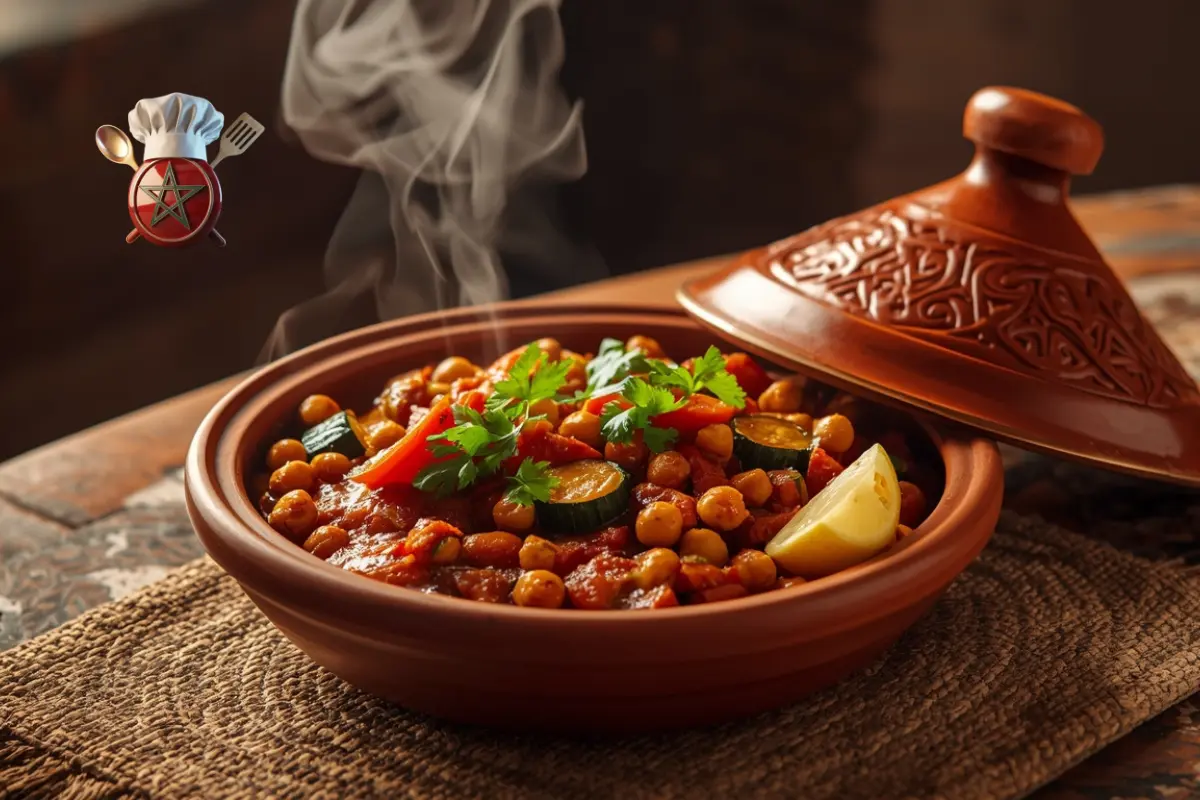
Moroccan Chickpea Tagine represents the soulful simplicity and profound flavor complexity that defines Moroccan home cooking. In a country where meat was historically a luxury for special occasions, tagines built around humble legumes like chickpeas became the everyday sustenance that nourished generations. This is not a mere meat substitute but a celebrated dish in its own right—a symphony of textures and tastes where creamy chickpeas absorb the rich tapestry of Moroccan spices, where sweet raisins plump in savory broth, and where the sharp brightness of preserved lemon cuts through the richness. The tagine pot itself, with its distinctive conical lid, is more than cookware; it's an ancient technology that creates a self-basting environment, allowing flavors to concentrate while keeping ingredients incredibly moist. As steam rises during cooking, it condenses on the cool lid and trickles back down, bathing the chickpeas in their own seasoned juices. This gentle, slow cooking method transforms simple ingredients into something extraordinary—each chickpea becomes a tiny vessel of flavor, each vegetable contributes its essence to the communal sauce, and every spice has time to meld and mellow. Traditional Moroccan home cooks know this dish as 'tagine l'houmous'—a comforting, economical meal that fills the home with inviting aromas of cumin, paprika, and ginger. It's the kind of dish that simmers quietly on the stove while life happens around it, ready to welcome family to the table with warmth and nourishment. Served directly from the earthenware tagine with a basket of fresh Moroccan bread for scooping and sopping, this meal embodies Moroccan hospitality: generous, flavorful, and meant to be shared. Whether you're cooking in an authentic clay tagine over charcoal or using a Dutch oven on a modern stove, the magic remains—the alchemy that turns chickpeas, tomatoes, and spices into a meal that feels like a hug from the inside.
About This Recipe
Chickpea Tagine embodies the ingenious spirit of Moroccan cuisine—transforming humble, affordable ingredients into food worthy of celebration. Its story begins with the chickpea itself, one of the world's oldest cultivated legumes, domesticated in the Fertile Crescent over 9,000 years ago. As trade routes connected civilizations, chickpeas traveled westward across North Africa with Phoenician traders, becoming a staple in Berber diets. The Berbers, indigenous North Africans, were master adapters of scarce resources, creating nourishing dishes from what the land provided—chickpeas thrived in Morocco's varied climates from coastal plains to mountain valleys. The tagine cooking method developed as a brilliant solution to cooking with limited water and fuel in arid regions. The distinctive conical lid of the tagine pot, typically made from local clay, creates a unique microclimate: steam rises, condenses on the cool lid, and trickles back down, allowing food to cook slowly in its own juices with minimal added liquid. This method was perfectly suited to chickpeas, which benefit from long, gentle cooking to become tender and absorb flavors. When Islam reached Morocco in the 7th century, it brought new spices along the trans-Saharan trade routes—cumin from the Levant, ginger from Asia, saffron from Persia. Moroccan cooks began incorporating these spices into their traditional chickpea dishes, creating the flavor profile we recognize today. The addition of sweet elements like raisins reflects Morocco's position at the crossroads of Arab and Berber cultures, where the Arab preference for sweet-savory combinations met Berber practicality. Preserved lemon, another signature ingredient, emerged from the need to preserve seasonal abundance—Moroccan women would pack lemons in salt in clay jars, creating a condiment that lasted year-round and added bright complexity to winter meals. Throughout Morocco's history, chickpea tagine has been food of both necessity and celebration. For poor families, it provided affordable protein and nutrition. During Ramadan, it became a popular iftar dish to break the fast—nutritious, comforting, and easy to prepare ahead. In vegetarian households or during meat shortages, it stood as a main course rather than side dish. Each region developed variations: coastal towns might add fish; the Sahara region might include dates; the Rif mountains might feature wild herbs. The dish traveled with Moroccan immigrants to Europe and beyond, becoming a beloved example of meatless Mediterranean cuisine. Today, chickpea tagine represents more than just food—it embodies Moroccan values of hospitality (the shared tagine pot), resourcefulness (transforming simple ingredients), and balance (the harmony of sweet, savory, spicy, and bright). It's served in homes from Tangier to the Sahara, in fancy restaurants in Marrakech, and in diaspora kitchens worldwide, connecting Moroccans to their heritage one simmering pot at a time. UNESCO's recognition of Moroccan cuisine as intangible cultural heritage includes dishes like this—not elaborate royal feasts but the everyday food that sustains culture, family, and memory.
Nutritional Info (per serving)
Recipe Tags
Understanding the Ingredients
Chickpeas (Dried or Canned)
The foundation of the dish requires 3 cups cooked chickpeas. For best texture and flavor, use dried chickpeas soaked overnight and cooked until tender but not mushy. This allows them to absorb the spiced sauce deeply. Canned chickpeas (two 15-ounce cans, drained and rinsed) work well for convenience but will have slightly less flavor absorption. If using dried, cook them with a piece of kombu seaweed or baking soda to help soften their skins and make them more digestible. The chickpeas should retain their shape but become creamy inside when bitten.
Tomato Sauce Base
The rich, red sauce comes from a combination of fresh tomatoes (4 medium, grated or finely chopped), tomato paste (2 tablespoons for depth), and sometimes canned crushed tomatoes for body. Grated tomatoes create a smoother sauce—cut tomatoes in half and grate on a box grater, discarding the skins. The tomato paste should be cooked briefly with the onions and spices to caramelize and lose its raw taste. This sauce will thicken and concentrate as it simmers, coating the chickpeas beautifully.
The Spice Trinity
Authentic Moroccan flavor comes from three core spices: ground cumin (1 tablespoon) for earthy warmth, sweet paprika (1 tablespoon) for color and mild sweetness, and ground ginger (1 teaspoon) for gentle heat. These form the foundation. Additional optional spices include turmeric (½ teaspoon) for golden color and anti-inflammatory properties, cinnamon (½ teaspoon) for warmth and complexity, and a pinch of cayenne or harissa paste for heat. The spices should be added to the cooking oil early to 'bloom' and release their essential oils, which flavors the entire dish.
Sweet-Savory Elements
The magical balance of Moroccan tagines comes from combining sweet and savory elements. Here, sweet raisins or sultanas (½ cup) plump in the sauce, providing bursts of sweetness that contrast with the savory spices. Some versions use chopped dried apricots or dates. On the savory side, preserved lemon (2 tablespoons chopped rind) adds essential brightness—the salty, fermented, intensely lemony flavor is irreplaceable. If unavailable, zest of one lemon plus a squeeze of juice can substitute, though the complex fermentation notes will be missing.
Aromatics & Vegetables
Two large yellow onions, finely chopped, form the flavor base—they cook down into a sweet, soft foundation. Garlic (4 cloves, minced) adds depth. Carrots (2 medium, sliced into coins) provide natural sweetness and texture. Potatoes (2 medium, cubed) make the dish more substantial and absorb flavors beautifully. Green olives (½ cup, pitted) add briny contrast, though optional. Fresh cilantro and parsley (½ cup chopped combined) are stirred in at the end for freshness.
Cooking Liquid & Thickening
Vegetable broth (3 cups) forms the cooking liquid, preferably homemade or low-sodium. The liquid should just cover the ingredients in the tagine. For thickening, some cooks use a slurry of flour and water (2 tablespoons flour mixed with ¼ cup water) stirred in during the last 15 minutes, though the sauce naturally thickens from the starches in the potatoes and chickpeas. A tablespoon of olive oil adds richness and helps carry the fat-soluble spice flavors.
Step-by-Step Cooking Guide
Prepare Ingredients & Soak Chickpeas
If using dried chickpeas: rinse 1½ cups dried chickpeas, pick out any debris, then soak in plenty of cold water with 1 teaspoon salt overnight (8-12 hours). Drain and rinse. For quick soak: cover with water, bring to boil, boil 2 minutes, remove from heat, cover and soak 1 hour, then drain. If using canned chickpeas, drain and rinse 2 cans (15 oz each). Prepare vegetables: finely chop onions, mince garlic, slice carrots into ¼-inch coins, cube potatoes into 1-inch pieces. Grate tomatoes: cut fresh tomatoes in half horizontally, grate on box grater into bowl, discarding skins. Measure spices into small bowl. Chop preserved lemon rind (discard pulp), measure raisins, pit olives if using. Chop fresh herbs.
Tip: Dried chickpeas yield better texture and flavor absorption. Add baking soda (¼ tsp) to soaking water to help soften skins. Keep grated tomato juice for sauce.
Cook Chickpeas (If Using Dried)
Place soaked, drained chickpeas in pot with fresh water covering by 2 inches. Add optional flavorings: 1 bay leaf, ½ onion, 2 garlic cloves (smashed). Bring to boil, reduce to simmer, partially cover. Cook until tender but not mushy, 45-60 minutes (older chickpeas take longer). Skim foam that rises. Drain, discard aromatics. While chickpeas cook, you can prepare the sauce base. Canned chickpeas skip this step.
Tip: Test doneness by pressing chickpea between fingers—should mash easily but hold shape. Reserve 1 cup cooking liquid for sauce if desired.
Build Flavor Base
Heat tagine base or Dutch oven over medium heat. Add 3 tablespoons olive oil. Add chopped onions with pinch of salt, cook 8-10 minutes until soft and golden, stirring occasionally. Add minced garlic, cook 1 minute until fragrant. Push onions to sides, add 2 tablespoons tomato paste to center, cook 1 minute until dark red and fragrant. Add all spices: cumin, paprika, ginger, turmeric, cinnamon, pinch cayenne. Stir constantly 30 seconds until very fragrant—this blooms the spices. Immediately add grated tomatoes and their juice to stop cooking spices.
Tip: Onions should be cooked until sweet and golden, not just translucent. Blooming spices in oil unlocks their full flavor potential.
Combine and Simmer
Add cooked or canned chickpeas to the pot, stirring to coat with spiced tomato mixture. Add carrot coins and potato cubes. Pour in 3 cups vegetable broth (or chickpea cooking liquid mixed with water). Add raisins and preserved lemon. Stir gently. Bring to a gentle simmer. If using tagine: cover with conical lid. If using pot: cover with tight-fitting lid. Reduce heat to low—liquid should bubble gently, not boil vigorously. Simmer 30 minutes.
Tip: Liquid should just cover ingredients. If using traditional clay tagine, use diffuser to prevent cracking from direct heat. Don't stir too much to keep vegetables intact.
Thicken Sauce and Add Olives
After 30 minutes, check consistency. Sauce should have reduced somewhat but still be brothy. If too thin, mix 2 tablespoons flour with ¼ cup cold water until smooth, stir into tagine. Add pitted green olives if using. Continue simmering uncovered 15 minutes to thicken sauce. Taste and adjust seasoning: likely needs salt (start with 1 teaspoon), black pepper, perhaps a pinch of sugar if tomatoes are acidic. The chickpeas and vegetables should be very tender, sauce clinging to them.
Tip: Thickening is optional—some prefer brothy tagine. Taste before adding salt—preserved lemon and olives add saltiness. Sauce should coat the back of a spoon.
Finish with Freshness
Remove tagine from heat. Stir in half of the chopped fresh cilantro and parsley. Reserve remainder for garnish. Drizzle with 1 tablespoon extra virgin olive oil for richness. If sauce seems too thick, add splash of broth or water. Let rest covered 5-10 minutes—this allows flavors to meld and dish to cool slightly for serving.
Tip: Fresh herbs added at the end preserve their bright flavor and color. Resting time is important for flavor development.
Serve Traditionally
Bring tagine directly to table (use trivet to protect surface). Garnish with remaining fresh herbs and optional toasted almond slivers or sesame seeds. Serve with warm crusty bread—Moroccan khobz, pita, or baguette—for scooping and sopping. Alternatively, serve over couscous or rice. Traditionally, diners eat directly from the communal tagine, using bread to scoop up chickpeas and sauce. Provide spoons for those who prefer.
Tip: The theatrical presentation of the tagine at the table is part of the experience. Bread should be warm and plentiful.
Common Mistakes to Avoid
❌ Using Unsoaked Dried Chickpeas
Solution: Dried chickpeas must be soaked overnight or quick-soaked before cooking. Unsoaked chickpeas will take hours to cook and may remain hard in centers even after prolonged cooking. Always soak dried legumes.
❌ Not Blooming Spices
Solution: Adding spices directly to liquid without first cooking them in oil results in raw, dusty flavor. Always bloom spices in oil for 30 seconds after onions are cooked to release their essential oils and deepen flavor.
❌ Overcooking Preserved Lemon
Solution: Preserved lemon should be added toward the end of cooking or just before serving. If cooked too long, it loses its bright, fresh flavor and can become bitter. Add in last 10-15 minutes or stir in at the end.
❌ Insufficient Cooking of Onions
Solution: Onions should be cooked until deeply golden and sweet, not just translucent. This caramelization forms the flavor foundation. Don't rush—cook onions 8-10 minutes over medium heat.
❌ Boiling Instead of Simmering
Solution: Tagine should cook at the gentlest simmer. Vigorous boiling will break chickpeas and vegetables into mush. After bringing to simmer, reduce heat to lowest setting where occasional bubbles rise.
❌ Stirring Too Frequently
Solution: Unlike stews, tagines benefit from minimal stirring once ingredients are combined. This allows flavors to develop in layers and prevents breaking of vegetables. Stir only once or twice during cooking.
❌ Skipping the Resting Time
Solution: Tagines taste better after resting 5-10 minutes off heat before serving. This allows flavors to meld and the dish to cool slightly to ideal eating temperature. Don't serve immediately from heat.
Ingredient Substitutions
Instead of: Preserved Lemon
Use: Zest of 1 lemon plus 1 tablespoon lemon juice and ¼ teaspoon salt. While not identical, it provides citrus brightness. For closer approximation, quick-preserve: microwave lemon zest with 1 tablespoon salt and 2 tablespoons lemon juice 1 minute.
Instead of: Raisins
Use: Chopped dried apricots, dates, or prunes. Golden raisins (sultanas) work identically. For sugar-free, omit or use small amount of honey in sauce.
Instead of: Chickpeas
Use: White beans (cannellini, great northern) or brown lentils (cooked separately). Lentils will break down more, creating thicker sauce.
Instead of: Potatoes
Use: Sweet potatoes, turnips, or cauliflower florets. Adjust cooking time—sweet potatoes cook faster, turnips slower.
Instead of: Fresh Tomatoes
Use: 1 can (28 oz) crushed tomatoes or 2 cups tomato puree. Reduce broth by ½ cup since canned tomatoes are more liquid.
Serving Suggestions
Serve directly from tagine pot at table for dramatic presentation and conversation piece.
Accompany with warm Moroccan bread (khobz) for tearing and dipping—essential for sauce.
For more substantial meal, serve over fluffy couscous, rice, or quinoa.
Top with dollop of plain yogurt or labneh to cool spice heat and add creaminess.
Garnish with toasted almond slivers, sesame seeds, or pine nuts for crunch and richness.
Pair with simple Moroccan salads: carrot salad with cumin, cucumber-tomato salad, or zaalouk.
Drizzle with harissa oil (harissa mixed with olive oil) for those who want extra heat.
Serve with wedge of lemon for diners to adjust acidity to taste.
Follow with mint tea and orange slices with cinnamon for traditional dessert.
Storage & Reheating Guide
Storage
Store cooled tagine in airtight container in refrigerator up to 5 days. Flavors improve over 1-2 days. Can be frozen up to 3 months, though potatoes may become grainy upon thawing. For freezing, omit potatoes or accept texture change. Store without fresh herb garnish.
Reheating
Reheat gently on stovetop over low heat, adding splash of water or broth to loosen sauce if thickened too much. Microwave individual portions covered at medium power, stirring halfway. If frozen, thaw overnight in refrigerator before reheating.
Tips: Tagines often taste better next day as flavors meld. Add fresh herbs after reheating. If sauce separates, whisk briefly or stir in spoonful of water.
Frequently Asked Questions
Recipe by

Similar Recipes


Our Recipe Ebooks
Discover our collection of authentic Moroccan recipe ebooks. Learn traditional cooking methods and create delicious meals at home.

The Moroccan Vegen

The Royal Moroccan Table -Part1
The Royal Moroccan Table -Part2
YouTube Channel
Watch step-by-step cooking videos, learn professional techniques, and get inspired by traditional and modern recipes from around the world.
Latest Video
"Traditional Moroccan Tagine Masterclass"