
Introduction
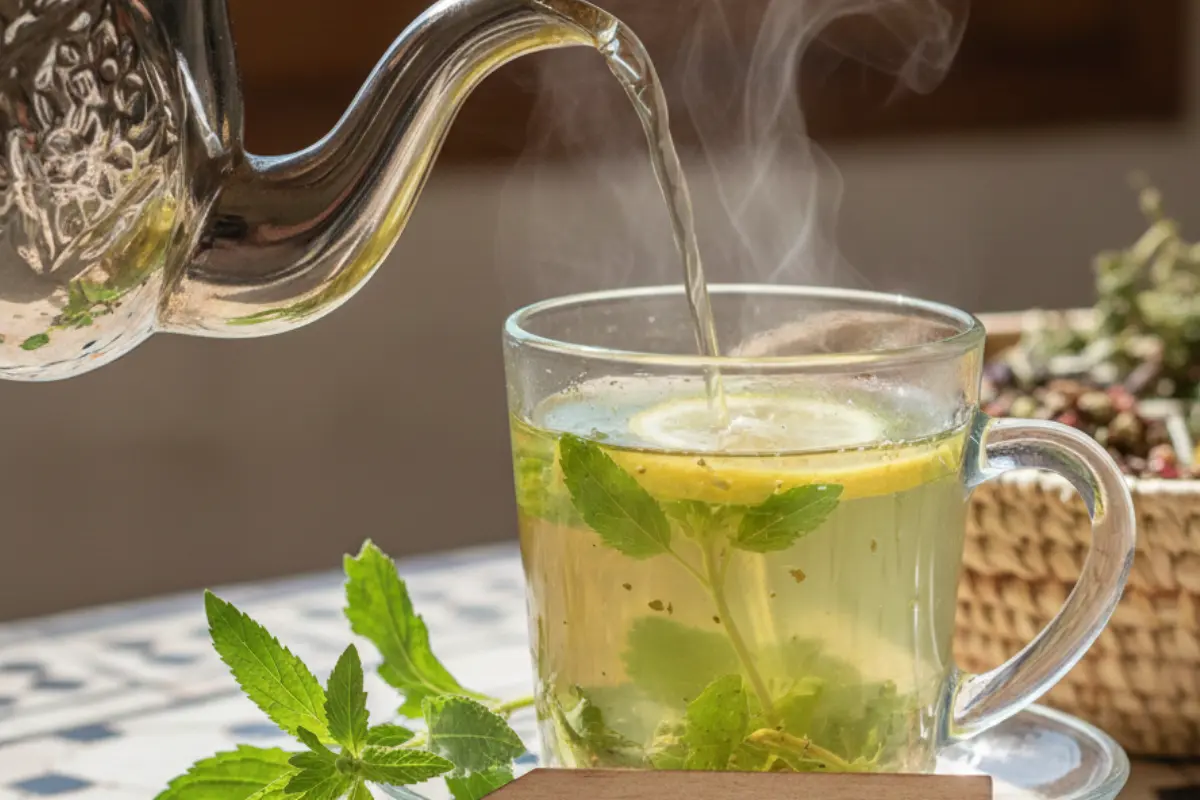
Louiza Tea, known scientifically as Lippia citriodora or verbena, is one of Morocco's most beloved herbal infusions, cherished for centuries for both its delicate flavor and therapeutic properties. Unlike the famous mint tea, Louiza is caffeine-free and prized for its calming effects, often served after meals to aid digestion or in the evening to promote relaxation.
The name 'Louiza' comes from the Arabic name for verbena, and the tea holds a special place in Moroccan herbal medicine traditions. With its gentle lemon-citrus aroma and subtle minty undertones, Louiza tea offers a soothing experience that engages all the senses. The preparation is simple yet ritualistic—allowing the leaves to steep just long enough to release their essential oils without becoming bitter.
This infusion is more than just a beverage; it's a home remedy, a gesture of hospitality, and a moment of pause in daily life. Moroccan families often grow verbena in their gardens or on balconies, drying the leaves for year-round use. Whether served hot to comfort during chilly evenings or chilled over ice for summer refreshment, Louiza tea embodies the Moroccan wisdom of using nature's gifts for both pleasure and wellness.
About This Recipe
Louiza tea's history is intertwined with Morocco's rich herbal medicine tradition (طِبّ النَبَاتي). Verbena (Lippia citriodora) is native to South America but was introduced to North Africa via botanical exchanges during the Islamic Golden Age. Moroccan herbalists quickly recognized its value, cultivating it in monastery gardens and later in household plots. The name 'Louiza' derives from the Arabic name for the plant, which itself may originate from the Berber language. Historically, it was used in traditional remedies for digestive issues, anxiety, and as a general wellness tonic. During the French Protectorate, European colonists adopted the tea, calling it 'verveine,' and it entered European herbal traditions via Morocco. Each region developed slight variations: in the Sahara, it's sometimes blended with wild thyme; in the mountains, with sage; in cities, served pure with orange blossom water. Unlike mint tea (a relatively recent introduction), Louiza represents an older, indigenous herbal tradition. Today, it remains a symbol of Moroccan hospitality—offered to guests seeking refreshment without caffeine, to children, to those feeling unwell, or as a peaceful conclusion to the day, connecting modern Moroccans to centuries of herbal wisdom.
Nutritional Info (per serving)
Recipe Tags
Understanding the Ingredients
Fresh or Dried Louiza (Verbena) Leaves
Verbena leaves are the heart of this infusion. Fresh leaves provide a brighter, more vibrant flavor with pronounced citrus notes, while dried leaves offer a more concentrated, earthy-lemon essence. When using fresh, select bright green, undamaged leaves. For dried, ensure they are whole, not powdered, and stored in airtight containers away from light. The quality of the verbena directly determines the tea's aroma and therapeutic properties. Moroccan verbena is particularly prized for its high essential oil content.
Fresh Mint Leaves (Optional)
While traditional Louiza tea is often pure verbena, many families add a few fresh mint leaves for extra freshness and digestive benefits. Spearmint (nana) is the Moroccan variety of choice. The mint should be fresh, with vibrant green leaves, added just before serving to preserve its volatile oils. This addition creates a lovely synergy—the citrusy verbena complemented by mint's coolness.
Orange Blossom Water or Lemon
A few drops of orange blossom water (ma zhar) enhance the natural citrus notes of the verbena and add a delicate floral aroma characteristic of Moroccan beverages. Alternatively, a thin slice of fresh lemon can be added to the cup. Both are optional but traditional in many households. The orange blossom water should be pure, not synthetic, and used sparingly—its potency can overwhelm the subtle verbena if overused.
Natural Sweeteners
Louiza tea is traditionally lightly sweetened, if at all, to allow the herbal flavors to shine. When sweetening, Moroccan honey is preferred—its floral notes complement the verbena beautifully. Raw sugar or stevia are alternatives. The sweetness should be subtle, not dominant. Many prefer it unsweetened, especially when consumed for medicinal purposes.
Water Quality
Since this infusion contains few ingredients, water quality is crucial. Filtered or spring water is ideal. The water should be brought to the proper temperature—just below boiling (around 90°C/194°F) for dried verbena, slightly cooler for fresh leaves. Boiling water can damage delicate essential oils and create bitterness.
Step-by-Step Cooking Guide
Prepare the Verbena Leaves
If using fresh verbena: gently rinse 8-10 large sprigs under cool water and pat dry with a clean towel. Lightly bruise the leaves by gently crushing them between your fingers or with a mortar and pestle—this releases essential oils. If using dried verbena: measure 3 tablespoons of whole dried leaves. Check for any stems or debris. Fresh mint option: rinse 4-5 fresh mint sprigs if using.
Tip: Bruising fresh leaves is essential—it breaks cell walls and releases maximum flavor. For dried leaves, crumbling them slightly between your palms increases surface area.
Heat Water to Proper Temperature
Pour 1 liter (4 cups) of fresh, filtered water into a kettle or pot. Heat until bubbles begin to form at the bottom and sides—just before a full boil (approximately 90°C/194°F). Do not let it reach a rolling boil, as excessively hot water will make the verbena taste bitter and destroy delicate aromatics. If using an electric kettle, stop just as it begins to make noise but before it clicks off.
Tip: Watch carefully—the moment you see steam rising consistently and small bubbles, it's ready. Using a thermometer ensures precision, especially for dried verbena which benefits from slightly hotter water than fresh.
Steep the Verbena
Place the prepared verbena leaves (and mint if using) into a heatproof teapot or directly into a serving pot. Pour the hot water over the herbs. Immediately cover with a lid to trap the steam and essential oils. Allow to steep for 5-7 minutes for dried verbena, 3-5 minutes for fresh. The water will turn a pale yellow-green color and release a delightful citrusy fragrance.
Tip: Do not stir during steeping. Covering is crucial—it prevents aromatic compounds from escaping with the steam. Taste at 5 minutes; steep longer for stronger flavor but not beyond 10 minutes to avoid bitterness.
Add Floral or Citrus Notes
After steeping, if using orange blossom water, add ½ to 1 teaspoon to the pot and swirl gently to distribute. Alternatively, place a thin slice of fresh lemon in each cup before pouring. For sweetening, add honey or sugar to individual cups rather than the pot, as sweetness preferences vary. Stir until dissolved.
Tip: Orange blossom water is potent—start with ½ teaspoon, taste, then add more if desired. Adding sweetener to cups allows some to enjoy it pure while others prefer it sweetened.
Strain and Serve
Using a fine mesh strainer, pour the tea into traditional Moroccan glasses or teacups, catching the spent leaves. For presentation, you can place one fresh verbena sprig or mint leaf in each glass before pouring. Serve immediately while hot, or allow to cool for iced tea preparation.
Tip: Pour from a height to aerate the tea slightly, which releases more aroma. Traditional Moroccan glasses are small, encouraging slow sipping and refills.
Optional Iced Version
For iced Louiza tea: prepare a double-strength infusion using half the water. Steep as directed, then strain into a pitcher. Add honey or sugar while tea is still warm to ensure dissolution. Cool to room temperature, then refrigerate. Serve over ice with fresh verbena or mint sprigs as garnish.
Tip: Double strength accounts for ice dilution. For extra flavor, freeze verbena leaves in ice cubes. Iced Louiza is wonderfully refreshing in summer.
Common Mistakes to Avoid
❌ Using Boiling Water
Solution: Boiling water scorches delicate verbena leaves, releasing tannins that create bitterness. Heat water to just below boiling (90°C/194°F). Watch for small bubbles rather than rolling boil.
❌ Over-Steeping
Solution: Steeping beyond 10 minutes makes the tea bitter. Taste at 5 minutes. For mild tea, steep 3-5 minutes; for stronger, 7 minutes maximum. Remove leaves once desired strength is reached.
❌ Using Low-Quality or Old Verbena
Solution: Stale or poor-quality verbena lacks aroma and flavor. Purchase from reputable sources. Store dried verbena in airtight containers away from light and heat. Use within 6-12 months for best flavor.
❌ Overwhelming with Orange Blossom Water
Solution: Orange blossom water is potent—it should enhance, not dominate. Start with ¼ teaspoon per cup maximum. Better to add to individual cups than the whole pot.
❌ Sweetening Too Heavily
Solution: Louiza's delicate flavor is easily masked by sugar. Use minimal sweetener—if any. Moroccan honey is ideal as it complements rather than overpowers. Always sweeten to taste in the cup, not the pot.
Ingredient Substitutions
Instead of: Fresh Verbena
Use: Dried verbena leaves (use 1 tablespoon dried per 2 cups water). Lemon verbena is the same plant dried. If unavailable, try lemon balm (melissa) which has similar citrus notes but milder flavor.
Instead of: Orange Blossom Water
Use: Rose water (use half the amount), or 1-2 thin strips of orange zest added during steeping. A drop of pure lemon essential oil (food grade) can also enhance citrus notes.
Instead of: Moroccan Mint
Use: Any fresh mint variety—spearmint, peppermint, or apple mint. For different profile, try fresh lemon thyme or lemon grass (use sparingly).
Instead of: Honey
Use: Agave syrup, maple syrup, or stevia for sugar-free option. Plain sugar works but lacks honey's floral notes. Date syrup adds Moroccan authenticity but darker color.
Serving Suggestions
Serve in traditional Moroccan tea glasses for authentic presentation—the small size encourages mindful sipping and conversation.
Accompany with dates, figs, or light Moroccan cookies like fekkas or ghriba for a simple, elegant tea time.
After dinner, serve unsweetened as a digestive aid—its natural properties help soothe the stomach.
For a morning alternative to caffeine, enjoy with a drizzle of honey and slice of lemon.
In summer, serve iced with slices of cucumber and a sprig of fresh mint for ultimate refreshment.
Pair with orange or almond pastries for a classic Moroccan afternoon tea experience.
Storage & Reheating Guide
Storage
Fresh verbena: wrap in damp paper towel, place in plastic bag, refrigerate up to 5 days. Dried verbena: store in airtight container in cool, dark place up to 1 year. Brewed tea: refrigerate in covered pitcher up to 3 days.
Reheating
Reheat gently on stovetop until warm, not boiling. Microwave in short bursts (30 seconds) to avoid overheating. Do not reboil. Iced tea should be served cold without reheating.
Tips: Brewed tea may cloud when refrigerated—this is normal for herbal infusions. Shake or stir before serving. For best flavor, brew fresh each time. The essential oils degrade quickly once brewed.
Frequently Asked Questions
Recipe by

Similar Recipes


Our Recipe Ebooks
Discover our collection of authentic Moroccan recipe ebooks. Learn traditional cooking methods and create delicious meals at home.

The Moroccan Vegen

The Royal Moroccan Table -Part1

The Royal Moroccan Table -Part2
YouTube Channel
Watch step-by-step cooking videos, learn professional techniques, and get inspired by traditional and modern recipes from around the world.
Latest Video
"Traditional Moroccan Tagine Masterclass"