
30
Prep (min)
240
Cook (min)
12
Servings
Hard
Level
Introduction
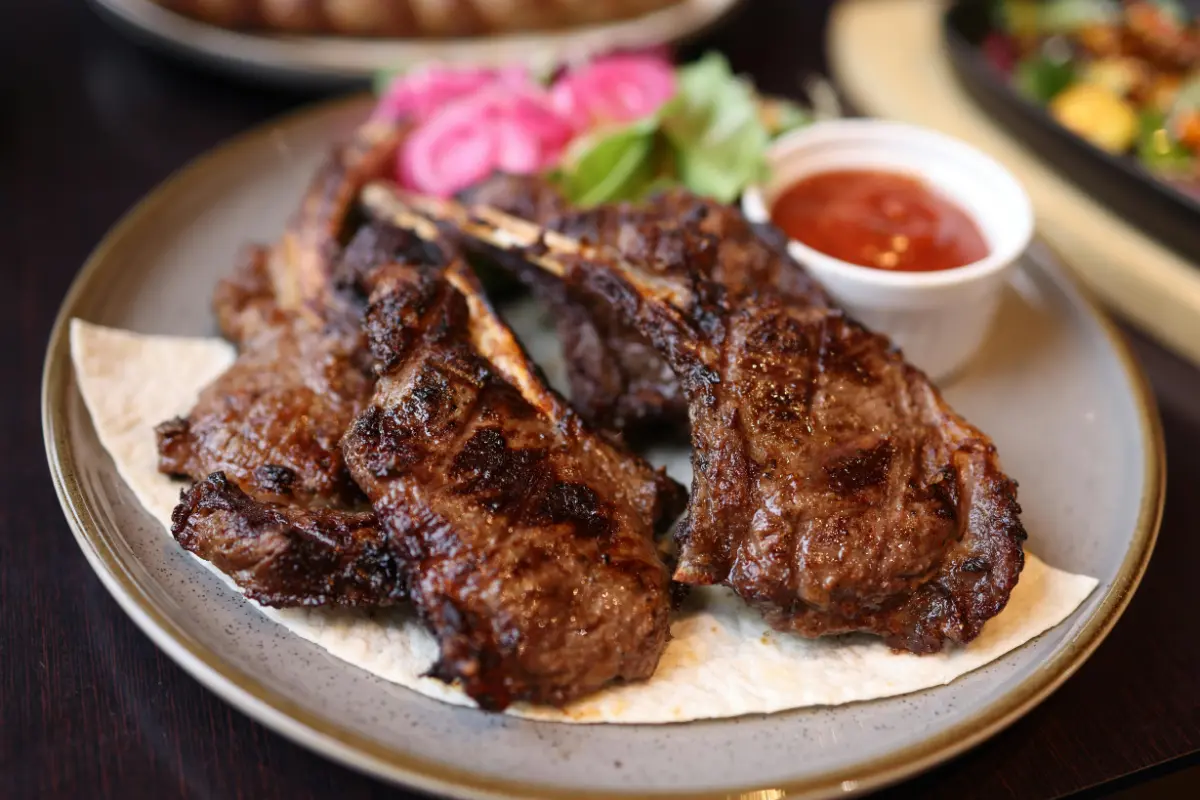
Mechoui represents the pinnacle of Moroccan celebratory cooking - a magnificent whole lamb slow-roasted until the meat becomes so tender it falls away from the bone at the slightest touch, while the exterior develops a deeply golden, crispy crust that shatters like glass. This is not everyday food but rather the centerpiece of life's most important celebrations: weddings, religious festivals, births, circumcisions, and gatherings of tribal importance. The sight of a whole roasted lamb, glistening with rendered fat and aromatic spices, being carried ceremoniously to the table represents the ultimate expression of Moroccan generosity and hospitality.
The origins of mechoui lie deep in Morocco's Berber heritage, particularly among the nomadic tribes of the southern regions and the Atlas Mountains. For centuries, Berber shepherds would roast whole lambs over open fires during celebrations, a tradition that predates Islam and continues to this day. The name 'mechoui' comes from the Arabic word 'mashwi,' meaning grilled or roasted. Traditional mechoui involves roasting a whole lamb in underground pits lined with hot coals, a method that produces incomparably tender meat infused with smoky flavors. The lamb is often rubbed with a simple but potent mixture of cumin, salt, and sometimes butter, then slow-cooked for hours until every part - from the tender leg meat to the crispy skin - becomes a delicacy.
While whole lamb mechoui requires specialized equipment and space, the home version using a lamb shoulder or leg captures the essence of this magnificent dish. The key principles remain the same: generous seasoning with aromatic spices, very slow cooking at moderate heat, and constant basting to keep the meat moist while developing that coveted crispy exterior. The result is lamb so tender you can pull it apart with your fingers - and indeed, mechoui is traditionally eaten with hands, tearing off pieces of succulent meat and dipping them into cumin salt. When prepared properly, mechoui delivers an unforgettable combination of textures and flavors: crispy, salty, spiced crust giving way to meat so tender and juicy it practically melts on the tongue, with rendered fat that is somehow both rich and light, carrying the warm spices throughout every bite.
About This Recipe
Mechoui is one of Morocco's most ancient culinary traditions, with roots reaching deep into Berber culture that predate the arrival of Islam in North Africa. For millennia, Berber tribes of the Atlas Mountains and southern Moroccan deserts celebrated important occasions by roasting whole lambs over open fires or in underground pits - a practice that continues virtually unchanged in rural areas today. The word 'mechoui' derives from the Arabic 'mashwi,' meaning grilled or roasted, though the technique itself is indigenous to North Africa's nomadic peoples. Traditional mechoui preparation involved digging a deep pit, lining it with hot coals or heated stones, suspending a whole seasoned lamb over or in the pit, then covering everything with earth and allowing it to slow-roast for many hours. This method produced incomparably tender meat infused with subtle smoky flavors while requiring no equipment beyond fire and earth. The simplicity of the seasoning - traditionally just butter, cumin, and salt - reflected both the nomadic lifestyle where elaborate spices were luxuries, and a culinary philosophy that celebrated the quality of the lamb itself rather than masking it with complex flavors. Mechoui became the centerpiece of life's most significant celebrations: births, weddings, circumcisions, religious festivals, tribal gatherings, and peace agreements between families or communities. The communal nature of mechoui - a whole lamb shared among family and friends, eaten with hands from a common platter - reinforced social bonds and demonstrated the host's generosity and hospitality. As Morocco urbanized, mechoui adapted to city life where underground pits were impractical. Urban Moroccans developed the technique of slow-roasting lamb in conventional ovens or on large rotisseries, maintaining the essential elements of slow cooking, cumin-forward seasoning, and the contrast between crispy exterior and melt-in-your-mouth interior. Today, mechoui remains the ultimate celebration food in Morocco. Rural families still prepare whole lambs in traditional underground pits for weddings and major festivals, while city dwellers order mechoui from specialized restaurants or prepare lamb shoulders at home. The dish has become so iconic that 'mechoui restaurants' throughout Morocco specialize exclusively in this preparation, with large rotisseries visible from the street, turning slowly and dripping rendered fat onto roasting potatoes below, the aroma of cumin and roasting meat drawing customers from blocks away. During Eid al-Adha, the Islamic festival commemorating Abraham's sacrifice, millions of lambs are slaughtered and many are prepared as mechoui, making this one of the year's most anticipated culinary moments. Mechoui represents not just a cooking technique but a living link to Morocco's pastoral past, a celebration of simplicity and quality, and the ultimate expression of Moroccan hospitality - the willingness to slow-roast a whole lamb for hours to properly welcome and honor one's guests.
Nutrition / serving
Recipe Tags
Understanding the Ingredients
Lamb Shoulder or Leg
For home preparation, a bone-in lamb shoulder (five to seven pounds) or leg of lamb (six to eight pounds) works beautifully, capturing the essence of whole lamb mechoui in a manageable size. The bone is essential - it adds flavor, helps the meat cook evenly, and provides structure. Shoulder is often preferred because it has more connective tissue and fat marbling, which breaks down during slow cooking to produce incredibly tender, flavorful meat that stays moist. Leg is leaner and slightly more elegant but can dry out if not carefully monitored. Look for lamb with a good fat cap and marbling - the fat is crucial for mechoui, as it bastes the meat from within during the long cooking and creates much of the flavor. Spring lamb (younger) will be more tender and milder; older lamb has stronger, more pronounced flavor. For authentic mechoui, you ideally want lamb that is neither too young (which lacks flavor) nor too old (which can be tough), usually six to twelve months old. If you can source a half or whole lamb and have the equipment, traditional mechoui is spectacular, but shoulder or leg makes this dish accessible for home kitchens.
Cumin
Cumin is the soul of mechoui seasoning - its warm, earthy, slightly bitter flavor is absolutely essential and non-negotiable. You need generous amounts: at least three to four tablespoons of ground cumin for a single shoulder, both for the initial rub and for the cumin salt (ras el hanout w'l melh) served alongside for dipping. Ground cumin works well, but for the most authentic and aromatic flavor, toast whole cumin seeds in a dry skillet until fragrant, then grind them yourself just before using. The difference is remarkable - freshly ground cumin is brighter, more complex, and lacks the musty flatness that stale pre-ground cumin can have. Cumin provides the characteristic flavor that defines mechoui and distinguishes it from other roasted meats. Some traditional recipes use cumin as virtually the only spice, proving that sometimes simplicity showcases quality ingredients best.
Butter or Smen
Butter serves dual purposes in mechoui: it helps the spice rub adhere to the meat and provides fat for basting during the long roasting, keeping the exterior moist and promoting that golden, crispy skin. Regular unsalted butter works perfectly, but for the most authentic flavor, use smen - traditional Moroccan preserved butter that has been aged with herbs, giving it a distinctive, slightly funky, cheese-like flavor that Moroccans adore. Smen adds incredible depth and a uniquely Moroccan character to the meat. You will need at least half a cup of melted butter, and potentially more for basting during cooking. The butter should be at room temperature for the initial rub so it spreads easily, then additional melted butter is used for basting every thirty minutes during roasting. Some traditional preparations use sheep tail fat instead of butter for even richer flavor, though this is difficult to source outside of Morocco.
Additional Spices
While cumin is the star, additional spices add complexity and depth. Ground coriander provides citrusy, floral notes that complement the earthiness of cumin beautifully. Paprika (sweet or smoked) adds color and mild sweetness without heat. Ground ginger contributes warming spice. Garlic, either fresh minced or garlic powder, provides pungency. Black pepper adds subtle heat. Saffron, while optional and expensive, contributes luxurious floral notes and golden color. The key is balance - you want the cumin to dominate while other spices support and enhance. Traditional Berber mechoui often uses only salt and cumin, proving that simplicity can be spectacular. More elaborate versions incorporate ras el hanout or individual spices. The spices should form a thick paste when mixed with butter, coating the lamb generously.
Salt
Coarse sea salt or kosher salt is essential for proper seasoning and forms the basis of the traditional cumin salt (ras el hanout w'l melh) served alongside mechoui for dipping. The meat needs aggressive seasoning - lamb can handle and indeed benefits from generous salt, which enhances the natural flavors and helps create the crispy crust. You will need salt both for the initial rub and for making the dipping salt. Traditional mechoui is quite salty by modern standards, as the salt was historically used for preservation as well as flavor. For the cumin salt accompaniment, mix equal parts ground cumin and coarse salt, or adjust to taste - some prefer more cumin, others more salt. This dipping mixture is essential to authentic mechoui service.
Fresh Herbs and Aromatics
Fresh cilantro, parsley, and sometimes thyme or rosemary can be stuffed into scores in the meat or scattered in the roasting pan to infuse subtle herbal notes. Onions and garlic cloves placed around the lamb add aromatic depth to the pan drippings and create a natural base for the sauce. These aromatics are optional but add layers of flavor. The herbs should be fresh and aromatic, added in the last hour of cooking so they flavor the meat without burning. Some cooks tie herb bundles with kitchen string and tuck them under the lamb, while others simply scatter chopped herbs over the meat.
Step-by-Step Cooking Guide
Prepare and Score the Lamb
15 minRemove the lamb shoulder or leg from refrigeration one to two hours before cooking to bring it to room temperature, which ensures even cooking. Pat the meat completely dry with paper towels - surface moisture will prevent the spice rub from adhering and inhibit crisping. Using a sharp knife, score the fat cap and skin in a crosshatch pattern, making cuts about one inch apart and about a quarter inch deep. Be careful not to cut into the meat itself, only through the fat and skin. These scores serve multiple purposes: they allow the spice rub to penetrate, help render the fat during cooking, and create more surface area for crispy bits. Pay special attention to scoring the thickest parts of fat. If there are any silver skin or tough membranes, trim them away but leave as much fat as possible - you want that fat for flavor and moisture.
Tip: Room temperature meat cooks more evenly than cold meat. The scoring pattern does not need to be perfectly uniform - rustic is fine. Just ensure good coverage across the entire fat cap.
Prepare the Spice Paste
10 minIn a medium bowl, combine four tablespoons of ground cumin, two tablespoons of ground coriander, one tablespoon of paprika, one tablespoon of ground ginger, two teaspoons of garlic powder or four cloves of minced fresh garlic, one tablespoon of coarse salt, one teaspoon of black pepper, and a pinch of saffron threads if using. Add half a cup of softened butter (or smen if available) to the bowl. Using a fork or your hands, work the butter and spices together thoroughly until they form a thick, uniform paste. The paste should be aromatic and deeply colored from the spices. Taste a tiny amount - it should be intensely flavored and salty, as much of this will render away during cooking. If you want more heat, add cayenne pepper. If you prefer more aromatic complexity, add a teaspoon of ground cinnamon. The paste should be thick enough to cling to the meat but soft enough to spread easily.
Tip: Make the paste while the lamb comes to room temperature. If the butter is too hard, microwave briefly to soften but not melt. The paste can be made a day ahead and refrigerated, then brought to room temperature before using.
Rub and Marinate the Lamb
5 minPlace the scored lamb in a large roasting pan. Using your hands (wear gloves if you prefer), massage the spice paste all over the lamb, working it into every crevice, the scores you created, and all sides of the meat. Be generous and thorough - the entire surface should be coated with a thick layer of the aromatic paste. Pay special attention to the scored areas, really working the paste into the cuts so it can penetrate and flavor the meat. Do not forget to season the underside and the edges where the bone protrudes. Once completely coated, let the lamb rest at room temperature for thirty minutes to one hour, allowing the spices to begin penetrating the meat. Alternatively, you can prepare the lamb to this point the night before, cover it tightly with plastic wrap, and refrigerate overnight, then bring to room temperature for one hour before roasting. This extended marination allows even deeper flavor penetration.
Tip: The longer the meat sits with the spice rub, the more flavorful it becomes. Overnight marination is ideal if you have time. The spices may seem like too much, but remember this is a large piece of meat that requires bold seasoning.
Begin Slow Roasting
150 minPreheat your oven to 325°F - this moderate temperature is crucial for tender mechoui. Higher heat will create a crust too quickly while leaving the interior tough; lower heat takes too long. If desired, scatter roughly chopped onions and whole garlic cloves around the lamb in the roasting pan - these will add flavor to the drippings. Add one cup of water or stock to the bottom of the pan to prevent the drippings from burning and to create steam that keeps the meat moist. Place the lamb fat-side up on a roasting rack in the pan if you have one, or directly in the pan if not. The rack allows heat to circulate underneath and helps render the fat. Cover the entire pan tightly with aluminum foil, sealing the edges well - this creates a sealed environment that keeps moisture in during the initial slow cooking. Place in the preheated oven and roast for two and a half to three hours, depending on the size of your lamb shoulder or leg.
Tip: The foil covering is essential for the first phase - it creates a sealed, steamy environment that makes the meat incredibly tender. Do not skip this step or the meat may dry out before becoming tender.
Baste and Continue Cooking
0Every forty-five minutes to one hour during the covered roasting phase, carefully remove the pan from the oven (watch out for steam when you open the foil), and baste the lamb thoroughly with the accumulated pan juices using a large spoon or bulb baster. If the pan seems dry, add another half cup of water or stock. The basting is crucial - it keeps the exterior moist, redistributes the spices and rendered fat, and builds layers of flavor. Tilt the pan to collect the juices, which will be a mixture of rendered lamb fat, butter, spices, and cooking liquid. This liquid is incredibly flavorful and aromatic. Spoon it generously over the entire surface of the lamb, especially over any areas that look dry. Re-cover tightly with foil and return to the oven. Continue this basting process throughout the covered cooking phase.
Tip: Set a timer for basting - it is easy to forget when caught up in other preparations. The basting liquid should be fragrant and golden. If it seems to be burning on the pan bottom, add more liquid immediately.
Uncover and Crisp the Exterior
40 minAfter two and a half to three hours of covered roasting, the lamb should be very tender - a fork or skewer should slide in with little resistance. Remove the foil completely and discard it. Increase the oven temperature to 425°F. Return the uncovered lamb to the oven for thirty to forty-five minutes, basting every fifteen minutes with the pan juices. This high heat phase is when the magic happens - the exterior will transform from soft and pale to deeply golden, crispy, and caramelized. The scores will open up, the fat will render and crisp, and the spices will develop a slightly charred, intensely flavorful crust. Watch carefully during this phase to prevent burning - you want deep golden brown to mahogany color, not black. The meat should be so tender that it is starting to fall away from the bone. If any areas brown too quickly, tent them loosely with foil while the rest catches up.
Tip: This uncovering and crisping phase is what transforms good mechoui into spectacular mechoui. The contrast between the crispy exterior and tender interior is essential. Do not skip or rush this step.
Rest and Prepare Accompaniments
20 minWhen the lamb is deeply golden, crispy on the outside, and fall-apart tender inside, remove it from the oven. Tent loosely with foil and let rest for fifteen to twenty minutes. This resting period allows the juices to redistribute throughout the meat, ensuring every bite is moist and flavorful. While the lamb rests, prepare the essential cumin salt for serving: in a small bowl, mix three tablespoons of ground cumin with two tablespoons of coarse sea salt. Adjust the ratio to your preference - the mixture should be fragrant and balanced. This cumin salt is traditionally how mechoui is eaten - pieces of meat are torn off and dipped into this mixture before eating. You can also prepare the pan sauce if desired: pour the pan drippings through a fine strainer into a small saucepan, pressing on any solids to extract all the flavorful juices. Let sit for a moment so the fat rises to the top, then skim off excess fat if desired (though traditional mechoui embraces the rich fat). Reheat the sauce gently and adjust seasoning with salt and cumin.
Tip: Do not skip the resting period - cutting into the lamb immediately will cause all the juices to run out. The meat will stay plenty hot during a fifteen to twenty minute rest.
Serve with Ceremony
10 minTransfer the rested lamb to your largest serving platter or wooden board. The traditional presentation is dramatic and rustic - the whole shoulder or leg should be presented intact, showing off the golden, crispy exterior and the tender meat falling from the bone. Garnish the platter with fresh cilantro and parsley if desired. Place small bowls of the cumin salt around the platter for easy access. To serve in traditional style, use your hands or two forks to pull and tear the meat into large chunks, allowing guests to take portions and dip them in the cumin salt. The meat should be so tender it pulls apart with minimal effort. Some pieces will be crispy and caramelized, others tender and juicy - both are prized. Provide plenty of bread - Moroccan khobz or other flatbreads - for sopping up the flavorful juices. Pour any pan sauce into a small pitcher for drizzling. Mechoui is traditionally eaten with hands, tearing off pieces of meat and enjoying the primal, communal experience of sharing this magnificent roast.
Tip: Present the lamb whole initially for visual impact before pulling it apart. The drama of the presentation is part of the mechoui experience. Encourage guests to eat with their hands for the full traditional experience.
Common Mistakes to Avoid
✗ Cooking at Too High Temperature
Fix: High heat will create a crust before the interior becomes tender, resulting in tough meat and burnt exterior. Mechoui requires slow, moderate heat (325°F) for most of the cooking, with high heat only at the end for crisping.
✗ Not Scoring the Fat
Fix: Unscored fat will not render properly and will remain thick and unappetizing. Deep scoring in a crosshatch pattern allows the fat to render, the spices to penetrate, and the exterior to crisp properly.
✗ Skipping the Basting
Fix: Basting is essential for keeping the meat moist during the long cooking and for building layers of flavor. The rendered fat and spices in the pan juices need to be redistributed over the meat regularly. Set a timer to remind yourself.
✗ Removing Foil Too Early
Fix: The initial covered cooking phase is crucial for tenderizing the meat in a moist environment. Uncovering too early will dry out the meat before it becomes tender. Keep covered for at least two and a half hours before crisping.
✗ Not Using Enough Spice Rub
Fix: Lamb needs bold seasoning, and much of the rub will render away during cooking. Be generous with the spice paste - the meat should be heavily coated. Underseasoned mechoui is bland and disappointing.
✗ Trimming Away All the Fat
Fix: The fat is essential for mechoui - it provides flavor, keeps the meat moist, and creates the crispy exterior. Only trim away excessive or thick pockets of fat, but leave the fat cap intact. Do not make lean mechoui.
✗ Not Letting the Meat Rest
Fix: Cutting into the meat immediately after cooking causes all the juices to run out, leaving dry meat on the plate. Always rest for at least fifteen minutes, loosely tented with foil.
Ingredient Substitutions
Instead of: Lamb Shoulder
Use: Leg of lamb works excellently, though it is leaner and requires more careful monitoring to prevent drying. Lamb shanks (multiple) also work well for smaller portions. Goat can substitute for a similar but slightly gamier flavor.
Instead of: Smen (Preserved Butter)
Use: Regular unsalted butter works perfectly well, though it lacks the distinctive funky depth of smen. Clarified butter (ghee) is closer in character. Olive oil can work in a pinch but will not provide the same richness.
Instead of: Whole Cumin Seeds
Use: Pre-ground cumin works fine but lacks the aromatic intensity of freshly ground. If using pre-ground, make sure it is fresh - check the date and smell it. Old cumin tastes musty and flat.
Instead of: Lamb Shoulder
Use: For those who cannot consume lamb, this technique works well with bone-in pork shoulder (though this is obviously not halal or kosher). The flavors adapt beautifully to pork.
Serving Suggestions
Serve mechoui as the spectacular centerpiece of a celebration meal, presented whole on a large platter with guests gathering around to pull off pieces with their hands.
Provide small bowls of cumin salt (equal parts ground cumin and sea salt) for dipping the meat - this is traditional and essential to authentic mechoui.
Accompany with plenty of Moroccan flatbread (khobz) or pita for sopping up the flavorful juices and wrapping pieces of meat.
Serve with simple fresh salads to balance the richness: tomato and cucumber salad with lemon dressing, or orange salad with olives and harissa.
Traditional sides include roasted potatoes or sweet potatoes cooked in the same pan under the lamb, absorbing all the rendered fat and spices.
Offer harissa paste on the side for those who want additional heat and complexity.
Follow mechoui with fresh mint tea and Moroccan pastries for digestion and to cleanse the palate after the rich meat.
For an authentic experience, serve on low tables with cushions, encouraging guests to eat with their hands in traditional Moroccan style.
Leftover mechoui makes incredible sandwiches, tacos, or can be shredded for couscous or tagine.
Storage & Reheating
Storage
Mechoui is best enjoyed fresh from the oven while the exterior is still crispy, but leftovers are delicious and versatile. Once cooled, remove the meat from the bone and store in an airtight container in the refrigerator for up to four days. Store any pan juices separately - they are liquid gold for flavoring other dishes. For longer storage, shredded mechoui freezes beautifully for up to three months. Pack in freezer-safe containers or bags, removing as much air as possible. The crispy exterior will not survive storage, but the tender, flavorful meat remains excellent.
Reheating
To reheat while maintaining some texture, spread the meat on a baking sheet and warm in a 350°F oven for fifteen to twenty minutes until heated through. For extra crispiness, finish under the broiler for two to three minutes. Alternatively, reheat shredded meat in a covered dish with a bit of the reserved pan juices to keep it moist. Microwave reheating works for convenience but will not restore any crispiness. Leftover mechoui is excellent shredded and reheated in a skillet with some pan juices for tacos, sandwiches, or as a protein addition to couscous or salads.
The pan drippings are incredibly flavorful - save them for cooking couscous, rice, or vegetables. Strain and refrigerate, then scrape off and discard the solidified fat on top before using the gelatinous, flavor-packed liquid underneath. Shredded mechoui meat can be transformed into completely different dishes throughout the week.
Frequently Asked Questions
Recipe by

Iman El Fassi
إيمان الفاسي
Main Dishes Chef
View all recipes by Iman →
You May Also Like
Our Ebooks

The Moroccan Vegan
$12.56
The Royal Moroccan Table — Part 1
$9.99
The Royal Moroccan Table — Part 2
$9.99
YouTube
Watch step-by-step cooking videos and learn traditional Moroccan techniques.
450+
Subscribers
150+
Videos