
25
Prep (min)
35
Cook (min)
4
Servings
Easy
Level
Introduction
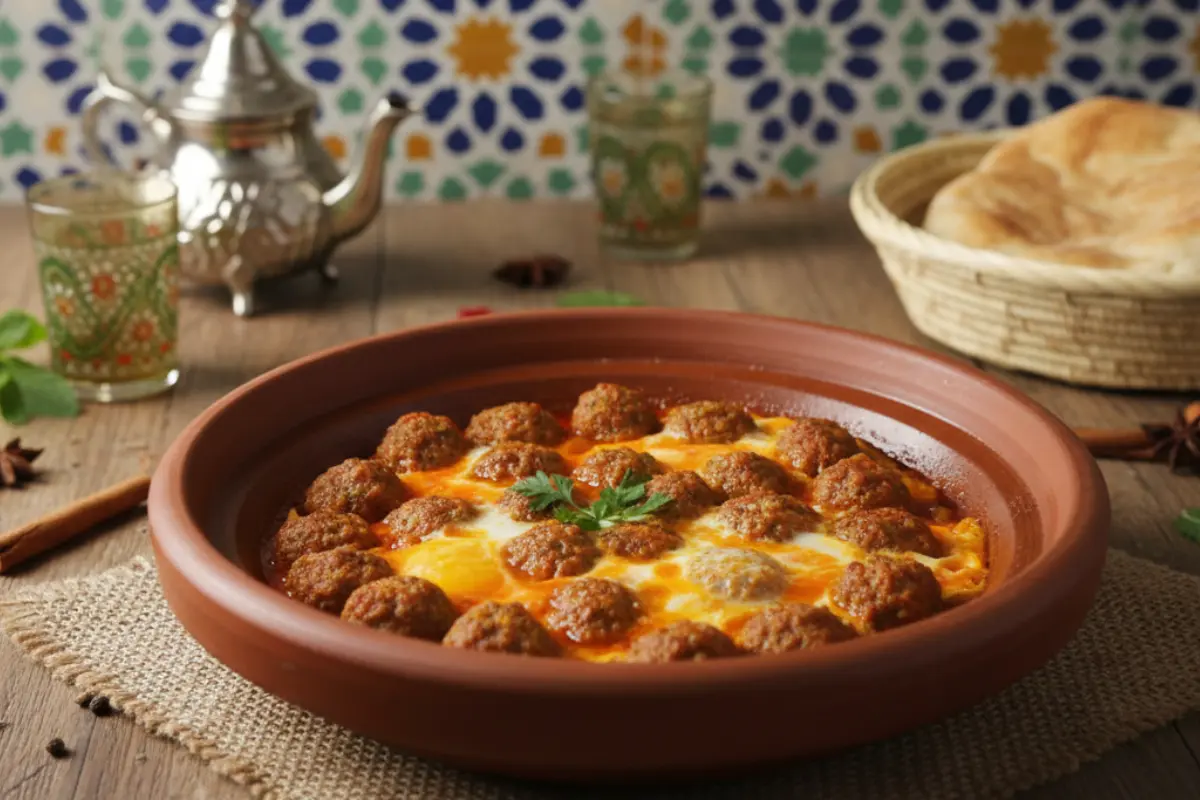
Kefta Tagine with Eggs represents the heart of everyday Moroccan home cooking - a dish that is simultaneously simple, comforting, and utterly delicious. This beloved tagine features spiced meatballs (kefta) made from ground beef or lamb, seasoned generously with fresh herbs and warm spices, then simmered in a rich, slightly spicy tomato sauce until tender and flavorful. Just before serving, eggs are nestled into the bubbling sauce and cooked until the whites are set but the yolks remain gloriously runny, ready to be broken and mixed into the sauce. The result is a dish that is hearty yet refined, complex yet accessible - perfect for busy weeknight dinners yet impressive enough to serve to guests.
Unlike more elaborate tagines that require hours of slow cooking, kefta tagine comes together relatively quickly, making it a go-to recipe for Moroccan home cooks who want to put a satisfying, traditional meal on the table without spending all day in the kitchen. The beauty of this dish lies in its layers of flavor: the aromatic spice blend in the meatballs, the bright tomato sauce enriched with paprika and cumin, the fresh herbs that add brightness, and the creamy egg yolks that tie everything together. Each component is simple, but when combined, they create something truly special - comfort food at its finest.
Kefta tagine with eggs is particularly popular during Ramadan for iftar meals, as it provides protein and substance to break the fast, yet is not so heavy that it overwhelms after a day of fasting. It also appears regularly on Moroccan dinner tables throughout the year, served family-style with crusty bread for sopping up the flavorful sauce. The dish exemplifies Moroccan culinary wisdom: using humble, affordable ingredients - ground meat, tomatoes, eggs - and transforming them through skillful seasoning and technique into something memorable. This is food that nourishes both body and soul, the kind of dish that makes you understand why Moroccan home cooking is so revered.
About This Recipe
Kefta Tagine with Eggs represents the evolution of Moroccan home cooking - a dish that bridges traditional techniques with modern convenience and family-friendly appeal. While elaborate tagines like those featuring whole lamb or intricate preparations have ancient origins, kefta tagine emerged as a practical, everyday solution for Moroccan home cooks who wanted to create satisfying, flavorful meals without spending hours in the kitchen. The concept of kefta (spiced ground meat) itself has deep roots in Middle Eastern and North African cuisine, likely arriving in Morocco through Arab influences and adapting to local tastes through the generous use of fresh herbs and Moroccan spice blends. The addition of eggs poached directly in the sauce is a stroke of genius that transforms simple meatballs into a complete, protein-rich meal that feeds families economically and satisfyingly. This technique of cooking eggs in flavorful sauces appears across many cultures, but the Moroccan version with its distinctive spice profile and generous fresh herbs creates something uniquely delicious. Historically, kefta tagine became popular in urban areas where families needed quick, affordable meals that could stretch precious meat further - grinding less expensive cuts and mixing with herbs and spices creates volume and flavor from modest amounts of meat. The eggs add additional protein while remaining budget-friendly. During Ramadan, kefta tagine with eggs became a beloved iftar dish because it provides substantial nutrition to break the fast while being light enough not to overwhelm after a day without food. The eggs particularly are valued for their easily digestible protein. Today, kefta tagine occupies a special place in Moroccan cuisine as comfort food - the kind of dish that mothers make for their families on busy weeknights, that restaurants serve as reliable favorites, and that Moroccan expatriates recreate abroad when longing for the tastes of home. It exemplifies the Moroccan culinary philosophy of transforming humble ingredients through skillful seasoning and technique into something that nourishes both body and soul. The dish has also gained international recognition as Moroccan cuisine has spread globally, with food lovers worldwide discovering the magic of spiced meatballs simmered in tomato sauce and topped with eggs - simple in concept, extraordinary in execution.
Nutrition / serving
Recipe Tags
Understanding the Ingredients
Ground Beef or Lamb
The foundation of kefta requires ground meat with adequate fat content for flavor and moisture. Ground beef with 15-20% fat (often labeled as 80/85 lean) works beautifully, providing rich flavor without being overly greasy. Ground lamb is traditional and adds distinctive, slightly gamey flavor that many consider essential to authentic kefta. A combination of beef and lamb (half and half) offers the best of both worlds. You will need approximately one and a half pounds for four servings. Avoid very lean ground meat (90% lean or higher), as it will produce dry, tough meatballs. The meat should be fresh and high quality - since the meatballs are relatively simply seasoned, the quality of the meat matters significantly.
Fresh Herbs
Fresh parsley and cilantro are absolutely essential to kefta, providing brightness, color, and characteristic flavor that dried herbs cannot replicate. The herbs should be finely chopped and mixed thoroughly into the meat - you want a generous amount, about a half cup each of chopped parsley and cilantro for one and a half pounds of meat. The fresh, green flavor balances the richness of the meat and adds complexity. Some regional variations also include fresh mint, which adds a cooling, aromatic note. Always use fresh herbs, not dried - the flavor and texture are completely different and dried herbs will not provide the same results.
Aromatic Spice Blend
The spice combination in kefta meatballs typically includes ground cumin, paprika (sweet or smoked), ground coriander, ground black pepper, and sometimes cinnamon for warmth. These warm, aromatic spices should be ground rather than whole for even distribution throughout the meat. Cumin provides earthy depth, paprika adds color and mild sweetness, coriander contributes citrusy notes, and pepper provides subtle heat. The spices should be fresh and aromatic - old spices that have lost their potency will produce bland meatballs. About one to two teaspoons of each spice works well, adjusted to taste. Some cooks also add a pinch of cayenne for heat or ginger for brightness.
Onion and Garlic
Finely grated or minced onion adds moisture, sweetness, and flavor to the meatballs. The onion should be grated on the fine holes of a box grater or very finely minced - large chunks will make the meatballs fall apart and create uneven texture. About half a medium onion grated works well for one and a half pounds of meat. Fresh garlic, minced very fine or pressed, adds pungent depth. The aromatics should be distributed evenly throughout the meat for consistent flavor in every bite. Some cooks squeeze out excess liquid from the grated onion to prevent the mixture from being too wet, though a bit of moisture helps keep the meatballs tender.
Tomatoes for the Sauce
The sauce requires ripe, flavorful tomatoes that will break down into a rich, thick sauce. You can use fresh tomatoes (about two pounds, peeled and chopped), canned crushed or diced tomatoes (one 28-ounce can), or a combination. Canned tomatoes are often more reliable than fresh, especially out of season, as they are picked and processed at peak ripeness. San Marzano or similar plum tomatoes are ideal for their sweet, concentrated flavor and low acidity. The tomatoes form the base of the sauce that the meatballs will simmer in, so their quality significantly impacts the final dish. Tomato paste is often added as well to concentrate the tomato flavor and thicken the sauce.
Eggs
Fresh eggs are the crowning element of this tagine, added near the end of cooking and poached directly in the bubbling tomato sauce. You will need four to six eggs depending on serving size - typically one to one and a half eggs per person. The eggs should be very fresh for the best flavor and texture. They are cracked directly into wells made in the sauce and cooked just until the whites are set but the yolks remain runny. When serving, diners break the yolks, which flow into the sauce and create a rich, creamy element that enriches everything it touches. The combination of runny egg yolk with spiced meatballs and tomato sauce is pure magic.
Bell Peppers and Chilies
Many versions of kefta tagine include sliced bell peppers and mild green chilies added to the sauce for additional flavor, color, and texture. Red or green bell peppers (or a combination) add sweetness and visual appeal. Mild green chilies or jalapeños add subtle heat without overwhelming the dish. These vegetables should be sliced into strips and added when the sauce is simmering, giving them time to soften and meld with the other flavors. The peppers are optional but traditional and add another dimension to the dish.
Olive Oil
Good quality olive oil is used both in the sauce and sometimes mixed into the meat mixture. The oil helps sauté the aromatics, prevents the sauce from sticking, and adds richness and flavor. Moroccan cooking traditionally uses generous amounts of olive oil - it is not a dish where you want to skimp on fat, as the oil carries flavors and creates the silky texture of the sauce. Use a fruity, good quality extra virgin olive oil for best results, though regular olive oil works fine for cooking.
Step-by-Step Cooking Guide
Prepare and Season the Kefta
10 minIn a large mixing bowl, combine one and a half pounds of ground beef or lamb with half a finely grated medium onion, three minced garlic cloves, half a cup of finely chopped fresh parsley, half a cup of finely chopped fresh cilantro, one and a half teaspoons of ground cumin, one and a half teaspoons of paprika (sweet or smoked), one teaspoon of ground coriander, three quarters teaspoon of salt, half a teaspoon of black pepper, and a pinch of cayenne if desired. Using your hands, mix everything together thoroughly but gently - you want the ingredients evenly distributed without overworking the meat, which can make it tough. The mixture should be well-seasoned, aromatic, and hold together when pressed. Once mixed, let the mixture rest for ten to fifteen minutes to allow the flavors to meld and the mixture to firm up slightly.
Tip: Do not overmix the meat - mix just until combined. Overworking develops the proteins too much and creates dense, tough meatballs. If the mixture seems too wet, add a tablespoon of breadcrumbs; if too dry, add a bit of water or olive oil.
Shape the Meatballs
10 minWith wet or lightly oiled hands to prevent sticking, shape the seasoned meat mixture into meatballs. For this tagine, you want relatively small meatballs - about one and a half inches in diameter or roughly the size of a walnut. Smaller meatballs cook more quickly and evenly, and are easier to eat. You should get approximately sixteen to twenty meatballs from this amount of meat. Roll each meatball between your palms until smooth and uniform, then place on a plate or tray. Some cooks prefer to shape the kefta into small patties or ovals rather than spheres, which is also traditional and creates more surface area for browning. Once all the meatballs are shaped, set them aside while you prepare the sauce.
Tip: Keep your hands damp while shaping - wet hands prevent the meat from sticking. Make the meatballs uniform in size so they cook evenly. You can shape them ahead and refrigerate for up to four hours before cooking.
Build the Tomato Sauce Base
10 minIn a large, deep skillet or the base of a tagine (at least twelve inches in diameter to hold all the meatballs in a single layer), heat three tablespoons of olive oil over medium heat. Add one large onion that has been finely chopped and sauté for five minutes until softened and translucent. Add four minced garlic cloves and cook for one minute until fragrant. Add two tablespoons of tomato paste and stir constantly for one to two minutes - this step concentrates the tomato flavor and removes any raw taste. Now add one 28-ounce can of crushed tomatoes (or about two pounds of fresh tomatoes, peeled and chopped), one and a half teaspoons of paprika, one teaspoon of ground cumin, half a teaspoon of salt, quarter teaspoon of black pepper, and a pinch of cayenne or red pepper flakes if you like heat. Stir everything together and bring to a simmer. Add half a cup of water to thin the sauce slightly - it should be pourable but not watery.
Tip: Cooking the tomato paste before adding the tomatoes is important - it caramelizes slightly and develops deeper flavor. The sauce should be flavorful on its own, as it seasons the meatballs during cooking.
Add Vegetables to the Sauce
8 minIf using bell peppers and chilies, add them to the simmering sauce now. Add one red bell pepper cut into thin strips, one green bell pepper cut into thin strips, and one or two mild green chilies (jalapeño or Anaheim) sliced into rings. Stir to combine. Let the sauce simmer for about five minutes to allow the vegetables to soften slightly and release their flavors into the sauce. Taste the sauce and adjust seasoning - it should be well-seasoned, as it will flavor the bland meatballs. Add more salt, spices, or a pinch of sugar if the tomatoes are too acidic. The sauce should be rich, aromatic, and slightly thick.
Tip: The peppers add great flavor and color but are optional. If omitting them, add a bit more tomato or water to maintain sauce volume. The sauce should completely cover the meatballs when they are added.
Add and Simmer the Meatballs
30 minCarefully nestle the shaped meatballs into the simmering sauce, arranging them in a single layer if possible. They should be mostly submerged in the sauce. Spoon some sauce over the tops of the meatballs. Cover the skillet or tagine with a lid and reduce heat to medium-low to maintain a gentle simmer. Cook for twenty-five to thirty minutes, occasionally spooning sauce over the meatballs and gently shaking the pan (do not stir, which can break the meatballs). The meatballs should cook through completely, becoming tender and absorbing the flavors of the sauce. The sauce should reduce and thicken during this time, becoming rich and concentrated. After twenty-five minutes, check a meatball by cutting it in half - it should be cooked through with no pink in the center.
Tip: Do not stir the meatballs, which can break them apart. Instead, gently shake the pan and spoon sauce over them. Maintain gentle heat - vigorous boiling will make the meatballs tough and can break them apart.
Add and Poach the Eggs
8 minOnce the meatballs are cooked through and tender, use the back of a spoon to make four to six wells or indentations in the sauce between the meatballs, spacing them evenly around the pan. Crack one egg into each well, being careful not to break the yolks. Season the eggs lightly with a pinch of salt and black pepper. Cover the pan again and cook for five to eight minutes, depending on how runny you like your yolks. For runny yolks (traditional), cook for five to six minutes until the whites are just set but the yolks are still liquid. For firmer yolks, cook for eight to ten minutes. Watch carefully - the eggs can go from perfect to overcooked quickly. Once the eggs are done to your liking, remove from heat immediately.
Tip: For perfect eggs, crack each one into a small bowl first, then gently slide it into the sauce - this prevents shells and gives you control. The residual heat will continue cooking the eggs after removing from heat, so err on the side of underdone.
Garnish and Serve
4 minRemove the lid and sprinkle the entire tagine generously with freshly chopped parsley and cilantro - the fresh herbs add brightness and color to the rich dish. If desired, sprinkle with a pinch of paprika or cumin for extra visual appeal and a final flavor boost. Serve the kefta tagine immediately while still hot, bringing the cooking vessel directly to the table for dramatic presentation. Provide crusty Moroccan bread, baguette, or pita alongside for scooping up the meatballs, sauce, and eggs. Each person should receive one or two meatballs, one egg, plenty of sauce, and vegetables. The egg yolks should be broken at the table, allowing the rich, creamy yolk to flow into and enrich the tomato sauce.
Tip: Serve immediately while the eggs are perfect and the tagine is piping hot. The dish loses some of its magic if the eggs overcook or everything cools. Fresh herbs at the end are essential for brightness.
Common Mistakes to Avoid
✗ Using Lean Ground Meat
Fix: Very lean ground meat (90% lean or higher) produces dry, tough meatballs. Use ground beef with 15-20% fat or ground lamb, both of which have enough fat to stay moist and flavorful during cooking.
✗ Overmixing the Meat
Fix: Overworking the meat mixture develops the proteins excessively and creates dense, tough meatballs. Mix just until the ingredients are evenly distributed, then stop. Handle the meat gently when shaping as well.
✗ Making Meatballs Too Large
Fix: Large meatballs take too long to cook through and can be undercooked in the center when the eggs go in. Make them walnut-sized (about one and a half inches) for proper cooking time and easy eating.
✗ Stirring the Meatballs While Cooking
Fix: Stirring can break the meatballs apart, especially before they firm up. Instead, gently shake the pan occasionally and spoon sauce over them. Only move them if absolutely necessary, using a gentle touch.
✗ Overcooking the Eggs
Fix: The eggs should have set whites but runny yolks. Overcooking makes the yolks hard and chalky, losing the creamy element that makes this dish special. Remove from heat as soon as the whites are set.
✗ Not Seasoning the Sauce Adequately
Fix: The sauce flavors the meatballs as they cook, so it must be well-seasoned. Taste it before adding the meatballs and adjust salt and spices. Bland sauce means bland meatballs.
✗ Using Dried Herbs Instead of Fresh
Fix: Dried parsley and cilantro cannot replicate the bright, fresh flavor of fresh herbs. The fresh herbs are essential to authentic kefta - always use fresh, never dried.
Ingredient Substitutions
Instead of: Ground Lamb
Use: Ground beef works perfectly well, or use a combination of beef and lamb for balanced flavor. Ground turkey or chicken can work for a leaner version but add a bit more oil to the mixture to prevent dryness.
Instead of: Fresh Tomatoes
Use: Canned crushed or diced tomatoes are often better than out-of-season fresh tomatoes. One 28-ounce can equals about two pounds of fresh tomatoes. Tomato passata also works beautifully.
Instead of: Bell Peppers
Use: The peppers are optional and can be omitted entirely. Zucchini or eggplant can substitute, cut into chunks and added when building the sauce. Roasted red peppers from a jar work in a pinch.
Instead of: Fresh Herbs
Use: There is no perfect substitute for fresh parsley and cilantro in the meatballs - they are essential. However, if you must, use a combination of dried herbs (reduce quantity by half) and add lemon zest for brightness.
Serving Suggestions
Serve kefta tagine family-style directly from the cooking vessel, allowing everyone to help themselves to meatballs, eggs, and sauce with plenty of crusty bread for scooping.
Accompany with Moroccan bread (khobz), French baguette, or pita bread - bread is essential for soaking up the flavorful sauce and eating in the traditional manner.
Serve with a simple Moroccan salad on the side - sliced cucumbers and tomatoes with olive oil and lemon juice provide fresh contrast to the rich tagine.
Include olives and pickled vegetables as traditional side accompaniments that provide briny, acidic contrast.
For a more substantial meal, serve with couscous, rice, or roasted potatoes, though bread alone is traditional.
Pair with Moroccan mint tea to cleanse the palate between bites.
This dish works beautifully for brunch served with additional bread and perhaps a green salad.
Storage & Reheating
Storage
Kefta tagine stores reasonably well, though the eggs are best enjoyed fresh. Store leftovers in an airtight container in the refrigerator for up to three days. The meatballs and sauce actually improve in flavor as they sit and the flavors continue to develop. If you know you will have leftovers, consider not adding all the eggs during initial cooking - you can add fresh eggs when reheating for better texture. The meatballs in sauce can be frozen for up to two months; thaw overnight in the refrigerator before reheating. Do not freeze eggs.
Reheating
To reheat, transfer the meatballs and sauce to a skillet and warm gently over medium-low heat, adding a splash of water if the sauce has thickened too much. Once heated through, you can add fresh eggs and poach them in the sauce for the best experience. If reheating with already-cooked eggs, heat very gently and briefly - the eggs will overcook if reheated too long. Microwave reheating works but is less ideal, as it tends to overcook the eggs and cannot achieve the same bubbling, fresh-from-the-stove quality.
The meatballs and sauce freeze beautifully without eggs - consider freezing portions for quick future meals. When ready to use, thaw, reheat, and add fresh eggs for a meal that tastes freshly made. The sauce may separate slightly during storage; simply stir it back together when reheating.
Frequently Asked Questions
Recipe by

Fatima El Amrani
فاطمة العمراني
Master Chef
View all recipes by Fatima →
You May Also Like
Our Ebooks

The Moroccan Vegan
$12.56

Tables of Fez: A Royal Palace Legacy
$22.99

The Soul of Morocco
$20.00
YouTube
Watch step-by-step cooking videos and learn traditional Moroccan techniques.
450+
Subscribers
150+
Videos