
25
Prep (min)
35
Cook (min)
4
Servings
Medium
Level
Introduction
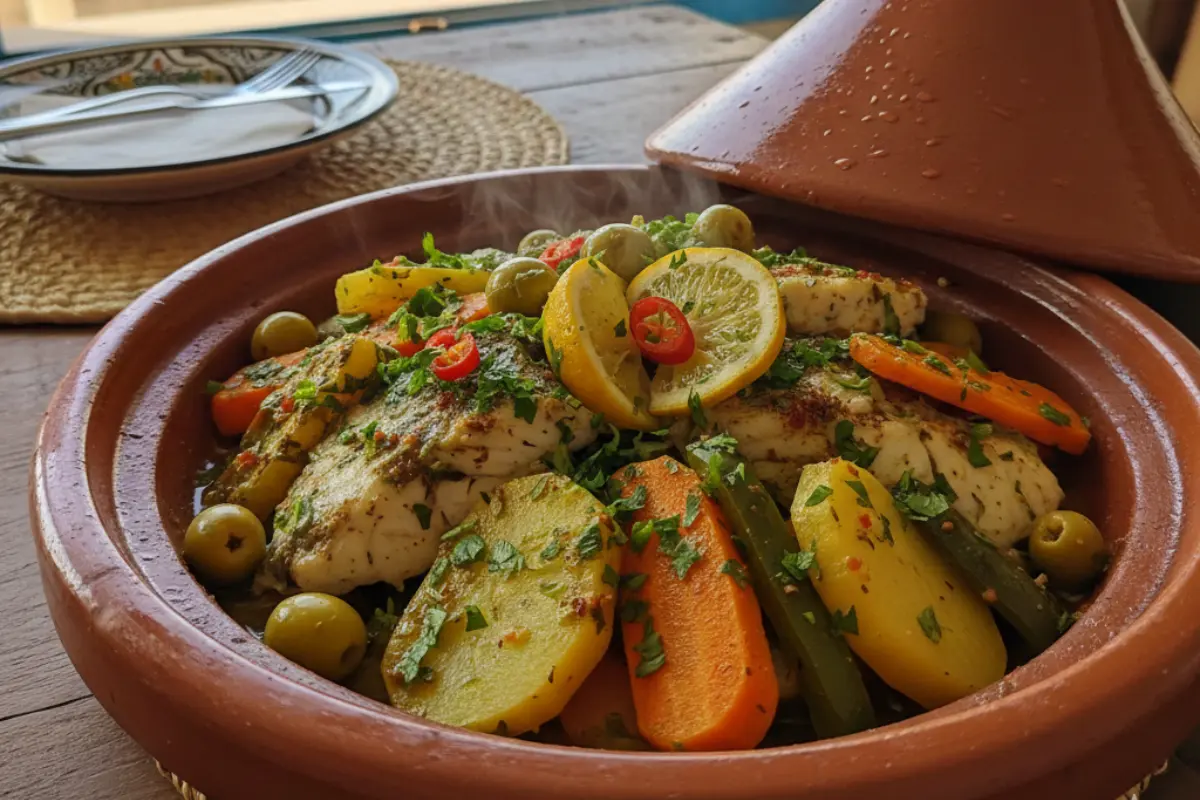
Fish tagine with chermoula represents the heart and soul of Morocco's coastal culinary traditions, where the Atlantic Ocean's bounty meets the sophisticated spice culture that defines Moroccan cooking. This dish embodies the essence of coastal cities like Essaouira, Safi, and Casablanca, where fishing boats return each morning with fresh catches that are transformed into aromatic, herb-laden tagines that perfume entire neighborhoods. Unlike the rich, slow-cooked meat tagines of inland Morocco, fish tagine is lighter, brighter, and quicker to prepare, yet equally complex in flavor.
The magic of this dish lies in the chermoula - Morocco's famous marinade and sauce that is to Moroccan fish cookery what pesto is to Italian cuisine. This vibrant green mixture of fresh cilantro, parsley, garlic, cumin, paprika, preserved lemon, and olive oil is the signature of Moroccan seafood preparation. Every coastal family has their own chermoula recipe, passed down through generations, with subtle variations in herb ratios, spice proportions, or the addition of ingredients like fresh chilies or tomatoes. The chermoula serves triple duty: as a marinade that seasons the fish, as a cooking medium that keeps the fish moist and infuses it with flavor, and as a sauce that brings everything together.
What makes fish tagine particularly special is its celebration of freshness and simplicity. While meat tagines often cook for hours, fish tagine comes together in under an hour, relying on the quality and freshness of the fish rather than lengthy cooking to develop flavor. The fish is marinated briefly in chermoula, then layered with vegetables - typically tomatoes, bell peppers, and potatoes - and baked gently until everything is tender and aromatic. The result is a dish that is simultaneously bold and delicate, with the assertive chermoula complementing rather than overwhelming the subtle sweetness of fresh fish. This is healthy Mediterranean cooking at its finest: lean protein, abundant vegetables, olive oil, and herbs creating food that nourishes both body and spirit.
About This Recipe
Fish tagine with chermoula represents the culinary soul of Morocco's Atlantic coastline, where fishing traditions stretching back millennia meet the sophisticated spice culture that defines Moroccan cooking. The coastal cities of Essaouira, Safi, Casablanca, and Agadir have always looked to the ocean for sustenance, with fishing communities harvesting the Atlantic's abundance daily. Unlike inland Morocco where meat tagines dominate, coastal regions developed a rich repertoire of seafood preparations, with chermoula-based fish dishes holding pride of place. Chermoula itself has ancient roots, likely predating Islam's arrival in North Africa. Some culinary historians trace its origins to Roman fish preparations using herbs and vinegar, while others point to Berber herb pastes used for preserving and flavoring foods in the pre-refrigeration era. The word 'chermoula' may derive from Arabic words meaning 'to rub' or 'marinade,' though its exact etymology is debated. What is certain is that by medieval times, chermoula had become the defining characteristic of Moroccan fish cookery, distinguishing it from other Mediterranean cuisines. The basic formula - fresh herbs, garlic, spices, acid, and olive oil - remained constant while regional variations developed. Southern coastal towns favor more cumin and heat, northern areas sometimes add tomatoes or sweet peppers to the chermoula itself, and Essaouira is famous for particularly herb-forward versions loaded with cilantro and parsley. The technique of layering fish with vegetables in a tagine pot developed as a practical cooking method that showcased the day's catch while making a complete meal from limited ingredients. Fishing families would prepare tagine using whatever fish the boats brought in - sometimes sea bass or bream, other times sardines or mackerel - combined with affordable vegetables from local markets. The chermoula provided consistent, delicious flavor regardless of the specific fish used. This democratic quality - equally good with expensive or humble fish - made fish tagine beloved across all social classes. The tradition of making chermoula fresh each time, pounding herbs and spices in a mortar and pestle, was passed from mothers to daughters in an unbroken chain spanning centuries. Today, while food processors have replaced mortars in many kitchens, the essential technique and reverence for fresh herbs remains unchanged. Modern Moroccan cuisine has elevated fish tagine from everyday coastal food to celebrated national dish. Restaurants throughout Morocco feature it prominently, often as the seafood alternative to meat tagines for tourists and health-conscious Moroccans alike. The dish has also gained international recognition as part of the Mediterranean diet movement, celebrated for its healthy combination of lean fish, vegetables, olive oil, and herbs. Coastal cities host seafood festivals where local cooks compete to create the best fish tagine, with judges evaluating the freshness of ingredients, balance of chermoula spicing, and traditional authenticity of preparation. As Morocco works to preserve its fishing heritage and culinary traditions in an era of industrial fishing and fast food, fish tagine with chermoula stands as a delicious reminder of the country's coastal identity - a dish that connects modern Moroccans to centuries of maritime culture while providing nourishment that is both healthy and deeply satisfying.
Nutrition / serving
Recipe Tags
Understanding the Ingredients
Firm White Fish
The choice of fish is crucial for successful fish tagine. You need approximately two pounds of firm, thick white fish fillets or steaks that will hold their shape during cooking without falling apart. Ideal choices include sea bass, sea bream (dorade), grouper, halibut, cod, or monkfish - all have firm flesh that can withstand the cooking process. In Morocco, coastal cooks often use local catches like pageot, denti, or mérou. The fish should be very fresh, with firm flesh, clear eyes if whole, and a clean ocean smell - never fishy or ammonia-like. Fish steaks with bones are traditional and add flavor, though boneless fillets are more convenient for eating. The fish should be cut into large portions, about six to eight ounces each, substantial enough not to break apart during handling and cooking. Avoid delicate fish like sole or flounder, which will disintegrate in the tagine.
Fresh Herbs for Chermoula
The foundation of chermoula is an abundance of fresh herbs - this cannot be emphasized enough. You need at least one and a half cups of fresh cilantro (leaves and tender stems) and one cup of fresh flat-leaf parsley. The herbs must be vibrant, fresh, and aromatic; dried herbs are completely unacceptable and will produce a dish that bears no resemblance to authentic chermoula. The ratio of cilantro to parsley can be adjusted based on preference - some cooks use equal parts, others prefer more cilantro for its distinctive flavor. The herbs should be washed thoroughly, dried completely, and roughly chopped before processing. The stems contain flavor and can be used, but remove any very thick, woody stems. These fresh herbs provide the bright green color and fresh, herbaceous flavor that defines chermoula.
Aromatic Components
Beyond the herbs, chermoula requires several aromatic elements. Fresh garlic cloves (five to six) provide pungent depth - the garlic should be peeled and can be used whole when processing. Fresh ginger (optional but traditional in some regions) adds warming spice - use about one tablespoon of grated fresh ginger. Preserved lemon is essential, providing the distinctive tangy, salty complexity that characterizes Moroccan cooking - you need about one quarter of a preserved lemon, rinsed and with the pulp removed, using only the soft peel. Fresh lemon juice and zest add brightness. Some regional variations include fresh green chilies for heat, though this is optional. These aromatics work together to create the complex flavor base of chermoula.
Spices for Chermoula
The spice component of chermoula is carefully balanced to enhance rather than overwhelm. Ground cumin is the dominant spice, providing earthy warmth - you need about two tablespoons. Paprika, preferably smoked for depth, adds color and mild sweetness - use one tablespoon. Ground coriander contributes citrusy, floral notes - about one teaspoon. Cayenne pepper or red pepper flakes provide optional heat - start with half a teaspoon and adjust to taste. Saffron threads, while expensive and optional, add luxurious floral notes and golden color - a small pinch if using. The spices should be fresh and aromatic; old, stale spices will produce flat-tasting chermoula. These spices are bloomed in olive oil when processing to release their essential oils.
Vegetables
The vegetable selection provides structure, moisture, and complementary flavors to the fish. Potatoes (two to three medium) form the traditional base layer - use waxy varieties like Yukon Gold that hold their shape. They create a bed for the fish and absorb the delicious cooking juices. Ripe tomatoes (three to four large) provide acidity and moisture - they should be firm-ripe for best flavor. Some cooks peel and seed the tomatoes for a smoother sauce, while others use them with skin on for rustic texture. Bell peppers (two, preferably different colors) add sweetness and visual appeal. Carrots (two medium) contribute additional sweetness and color. The vegetables should be cut into substantial pieces that will hold their shape during cooking. Some variations include zucchini, fennel, or artichoke hearts.
Additional Elements
Olive oil is essential both in the chermoula and for drizzling during cooking - use good quality extra virgin olive oil as it significantly impacts flavor. Fresh lemon juice brightens the chermoula and can be squeezed over the finished dish. Green or Kalamata olives add briny depth - about half a cup, pitted. Some recipes include cherry tomatoes added whole for bursts of sweetness. Fresh herbs (additional cilantro and parsley) finish the dish. Salt and black pepper season throughout. Water or fish stock provides moisture for cooking - about half a cup.
Step-by-Step Cooking Guide
Prepare the Fish
10 minIf using whole fish, have your fishmonger clean, scale, and cut it into steaks or large pieces. If using fillets, check for any remaining bones by running your fingers along the flesh and remove them with clean tweezers or needle-nose pliers. Rinse the fish quickly under cold running water and pat completely dry with paper towels - surface moisture will prevent the chermoula from adhering properly. Cut the fish into large serving portions if not already portioned - each piece should be substantial, about six to eight ounces and at least one inch thick. Season the fish lightly on both sides with salt and pepper. Arrange the fish pieces on a large plate or in a shallow dish where they can sit in a single layer. Set aside while you prepare the chermoula.
Tip: Dry fish is essential for proper chermoula adhesion. Handle the delicate fish gently to avoid breaking the pieces. Large portions are better than small ones for maintaining structure during cooking.
Make the Chermoula
10 minThoroughly wash and dry the fresh cilantro and parsley. Remove any very thick stems but keep tender stems, which contain flavor. Roughly chop the herbs. Peel the garlic cloves. Rinse the preserved lemon quarter and remove the pulp, keeping only the peel. In a food processor or blender, combine the chopped cilantro, parsley, garlic cloves, preserved lemon peel, two tablespoons of ground cumin, one tablespoon of paprika, one teaspoon of ground coriander, half a teaspoon of cayenne pepper if using, one tablespoon of grated fresh ginger if using, the zest of one lemon, three tablespoons of fresh lemon juice, one teaspoon of salt, and half a teaspoon of black pepper. Pulse several times to chop everything finely. With the motor running, slowly drizzle in half a cup of good olive oil through the feed tube. Process until you have a thick, vibrant green paste that is relatively smooth but retains some texture. The chermoula should be intensely aromatic, herbaceous, and well-balanced. Taste and adjust seasoning - it should be bold and assertive. Reserve about one-third of the chermoula for the vegetables and final garnish.
Tip: The chermoula should be thick enough to cling to the fish but fluid enough to spread. Add more olive oil if too thick. The chermoula can be made up to two days ahead and refrigerated with a thin layer of oil on top.
Marinate the Fish
5 minSpoon about two-thirds of the chermoula over the fish pieces, using your hands or a spoon to coat each piece generously on all sides. Make sure every surface is covered with a good layer of the aromatic green paste - do not be shy with the chermoula as it provides all the seasoning and flavor. Rub the chermoula gently into the fish, being careful not to break the delicate flesh. Once all pieces are well-coated, cover the dish with plastic wrap or transfer to a container with a lid. Refrigerate for at least thirty minutes, or up to two hours for deeper flavor penetration. This marination time allows the herbs, spices, and aromatics to permeate the fish, seasoning it thoroughly. Do not marinate longer than two hours, as the acid in the lemon juice will begin to 'cook' the fish through denaturation, affecting its texture.
Tip: Marinate in the refrigerator for food safety. Bring the fish back to room temperature for fifteen minutes before cooking for more even results. Handle the marinated fish gently as it will be slippery.
Prepare the Vegetables
15 minWhile the fish marinates, prepare your vegetables. Peel the potatoes and slice them into rounds about one-quarter inch thick - uniform thickness ensures even cooking. Slice the tomatoes into thick rounds, about half an inch each. If you prefer smoother sauce, you can peel the tomatoes by scoring an X on the bottom, blanching in boiling water for thirty seconds, then plunging into ice water - the skins will slip off easily. Core and seed the bell peppers, then cut them into strips about half an inch wide. Peel the carrots and slice them diagonally into thick ovals. If using zucchini or other vegetables, cut them into substantial pieces. Keep each vegetable separate as they will be layered. Pit the olives if they are not already pitted. Season the vegetables lightly with salt and pepper.
Tip: Uniform vegetable cutting ensures everything cooks evenly. The potato layer is crucial as it protects the fish from direct heat and prevents sticking. Cut vegetables into pieces that will hold their shape.
Build the Tagine Base Layer
5 minPreheat your oven to 375°F. Select a tagine pot, large oven-safe baking dish, or wide, shallow Dutch oven that can accommodate all the fish pieces in a single layer. Drizzle the bottom with two tablespoons of olive oil, spreading it to coat evenly. Create the first layer with the sliced potatoes, arranging them in overlapping concentric circles or rows to completely cover the bottom of the dish. This potato layer serves multiple crucial purposes: it creates a protective bed that prevents the delicate fish from sticking to the hot pan, it absorbs the delicious cooking liquids, and it provides a substantial vegetable component to the meal. Spread about two tablespoons of the reserved chermoula over the potato layer, using a spoon or your hands to distribute it. Arrange the sliced carrots over the potatoes. Season lightly with salt and pepper. This foundation will soften during cooking and create a flavorful base that supports the fish.
Tip: Complete potato coverage of the bottom is essential - no gaps. This protects the fish and prevents burning. Preheat the oven while preparing layers so it is ready when you are.
Layer the Fish and Vegetables
8 minRemove the marinated fish from the refrigerator. Carefully arrange the fish pieces in a single layer over the potato and carrot base. They should fit comfortably without overlapping too much - some overlap at the edges is fine. Spoon any chermoula remaining in the marinating dish over the fish pieces. Now create the top vegetable layers: arrange the tomato slices over and around the fish in an overlapping pattern. The tomatoes provide moisture and acidity, keeping the fish moist during cooking. Arrange the bell pepper strips over the tomatoes in an attractive pattern, alternating colors for visual appeal. Distribute the pitted olives over everything. Take the remaining reserved chermoula and dot spoonfuls of it around the vegetables and fish. Drizzle with two tablespoons of olive oil. The layering creates a beautiful mosaic of colors - green chermoula, white fish, red tomatoes, and colorful peppers.
Tip: Keep the fish in a single layer for even cooking. The tomato layer is important for moisture. Arrange attractively as the tagine is often served in the cooking vessel.
Add Liquid and Begin Cooking
30 minPour about half a cup of water, fish stock, or white wine around the edges of the tagine, not directly over the fish. You want just enough liquid to create steam and prevent sticking, but not so much that the dish becomes soupy - the vegetables will release moisture as they cook. If desired, tuck a few fresh herb sprigs (whole cilantro or parsley stems) around the edges for additional aroma. Cover the tagine with its conical lid, or if using a baking dish or Dutch oven, cover tightly with aluminum foil or a lid. Place in the preheated 375°F oven. The fish will cook gently in the aromatic steam created by the covered environment. Bake for twenty-five to thirty-five minutes, depending on the thickness of your fish pieces. Check after twenty-five minutes - the fish should be opaque throughout and flake easily with a fork, and the vegetables should be tender.
Tip: Add liquid around the edges, not over the fish, to avoid washing away the chermoula. The covered cooking creates a moist environment that keeps the fish tender. Cooking time varies with fish thickness.
Check Doneness and Optional Browning
5 minAfter twenty-five to thirty minutes, carefully remove the tagine from the oven (it will be very hot). Remove the lid or foil - be cautious of the steam that will escape. Insert a fork into the thickest part of a fish piece - it should flake easily and be opaque throughout with no translucent center. The internal temperature should reach 145°F. The vegetables should be tender when pierced with a knife. If the fish is not quite done, re-cover and return to the oven for five to ten minutes. If you desire a slightly browned, caramelized top, remove the cover and place the tagine under the broiler for two to three minutes, watching carefully to prevent burning. This creates attractive color and concentrates flavors, though it is optional. The traditional method keeps everything moist without browning.
Tip: Fish continues cooking with residual heat, so slightly underdone is better than overdone. The broiling step is optional but adds visual appeal and concentrated flavor. Watch carefully to prevent burning.
Rest, Garnish, and Serve
7 minOnce the fish is perfectly cooked and flaky, remove the tagine from the oven and let it rest for five minutes. This brief rest allows the flavors to settle and makes serving easier. While resting, roughly chop fresh cilantro and parsley for garnish. After resting, sprinkle the fresh herbs generously over the top of the tagine. If you have any remaining chermoula, you can dot small spoonfuls over the top or serve it on the side as a condiment. Drizzle with a tablespoon of your best olive oil for richness and sheen. Cut fresh lemon into wedges and arrange around the tagine or serve on the side - squeezing fresh lemon juice over the fish just before eating adds brightness that complements the rich chermoula beautifully. The tagine should be aromatic, colorful, and inviting, with the layers visible and the fish tender and flaky.
Tip: The resting period is brief but important for serving ease. Fresh herbs at the end add brightness and visual appeal. Lemon wedges are essential for finishing - encourage guests to use them generously.
Serve Family Style
5 minFish tagine is traditionally served directly from the cooking vessel, brought to the table while still warm. Place the hot tagine on a trivet or protective surface in the center of the table for dramatic presentation. Provide individual plates and serving utensils. To serve, use a fish spatula or large spoon to carefully lift portions that include fish, some of each vegetable layer, and plenty of the aromatic sauce. The potatoes from the bottom should be especially delicious, having absorbed all the flavors. Serve with plenty of crusty bread for sopping up the chermoula-infused cooking liquid, which is precious and should not be wasted. Alternatively, serve over a bed of fluffy couscous or rice, which will absorb the flavorful juices. Provide extra lemon wedges, additional fresh chermoula if available, and perhaps harissa paste for those who want extra heat. The fish should be tender, aromatic, and flaky, the vegetables soft and flavorful, and the sauce bright green and intensely aromatic.
Tip: Use a fish spatula for cleanest serving. The sauce is delicious - make sure everyone gets plenty of bread. Serve immediately while hot for best texture and flavor.
Common Mistakes to Avoid
✗ Using Dried Herbs Instead of Fresh
Fix: Fresh cilantro and parsley are absolutely non-negotiable for authentic chermoula. Dried herbs will produce a completely different dish that lacks the bright, vibrant flavor and green color that define chermoula. Always use fresh herbs.
✗ Using Delicate Fish
Fix: Delicate fish like sole, flounder, or tilapia will fall apart during cooking and handling. Always use firm white fish with thick flesh like sea bass, grouper, halibut, or cod that can withstand the cooking process.
✗ Over-Marinating the Fish
Fix: Marinating fish for more than two hours in the acidic chermoula will cause the acid to 'cook' the fish through denaturation, giving it a ceviche-like texture. Thirty minutes to two hours is optimal for flavor without textural changes.
✗ Skipping the Potato Layer
Fix: The potato base is essential for protecting the delicate fish from direct heat and preventing sticking. It also absorbs the delicious cooking liquid and provides substantial vegetable component. Never skip this layer.
✗ Adding Too Much Liquid
Fix: Fish tagine should have concentrated, flavorful sauce, not be swimming in liquid. The vegetables release moisture during cooking. Start with minimal added liquid - you want just enough to create steam, about half a cup maximum.
✗ Overcooking the Fish
Fix: Fish cooks quickly and continues cooking with residual heat. Overcooked fish becomes dry, tough, and falls apart. Remove from oven when just opaque throughout and let rest - it will finish cooking perfectly.
✗ Not Preheating the Oven
Fix: Starting in a cold oven extends cooking time unpredictably and can result in unevenly cooked fish. Always preheat to 375°F before adding the tagine for consistent, predictable results.
Ingredient Substitutions
Instead of: Firm White Fish
Use: Salmon or other fatty fish can work though they create a different flavor profile. Shrimp or mixed seafood can substitute for an entirely different but delicious dish. Avoid very delicate white fish that will fall apart.
Instead of: Preserved Lemon
Use: Use fresh lemon zest (from 1-2 lemons) plus fresh lemon juice (2-3 tablespoons) and an extra quarter teaspoon of salt. Add during the last 10 minutes of cooking. The flavor will be brighter but less complex.
Instead of: Fresh Cilantro
Use: If you truly cannot use cilantro (some people have genetic aversion), use all fresh parsley and add extra fresh mint for complexity, though understand the flavor will differ significantly from traditional chermoula.
Instead of: Bell Peppers
Use: Zucchini, fennel, eggplant, or artichoke hearts can substitute while maintaining the layered vegetable concept. Choose vegetables that hold their shape during cooking.
Instead of: Potatoes
Use: Sweet potatoes work beautifully and add natural sweetness. Thick slices of fennel can create an aromatic base. The key is having a substantial protective vegetable layer on the bottom.
Serving Suggestions
Serve fish tagine as the main course with plenty of crusty bread or Moroccan khobz for sopping up the precious chermoula-infused sauce - this is essential and traditional.
Accompany with fluffy couscous or rice as a bed for the tagine, allowing the aromatic sauce to flavor the grains beautifully.
Start the meal with simple Moroccan salads such as zaalouk (eggplant salad), taktouka (roasted pepper salad), or cucumber and tomato salad for refreshing contrast.
Provide lemon wedges generously on the side - squeezing fresh lemon over each portion is traditional and adds essential brightness.
Serve extra chermoula on the side as a condiment for those who want more of its vibrant flavor.
Offer harissa paste on the side for guests who desire additional heat and spice complexity.
Follow with Moroccan mint tea and fresh seasonal fruit for a refreshing finish that aids digestion after the rich fish.
For authentic coastal experience, serve family-style from the tagine pot with everyone taking portions using bread to scoop.
Pair with crisp white wine, rosé, or cold beer, which complement the fish beautifully and cut through the richness.
Leftover fish tagine is excellent cold or at room temperature the next day, making it perfect for lunch with fresh bread and salad.
Storage & Reheating
Storage
Fish tagine is best enjoyed fresh from the oven when the fish is tender and moist and the chermoula is vibrant. However, leftovers can be stored successfully. Allow the tagine to cool to room temperature, then transfer to an airtight container and refrigerate for up to two days. The fish will become more delicate during storage and may break apart more easily. The flavors actually intensify overnight as the fish continues absorbing the chermoula. Do not freeze fish tagine, as the delicate fish texture deteriorates significantly when frozen and thawed, becoming mushy and unpleasant.
Reheating
Reheat very gently to avoid drying out the fish. The best method is covering the tagine and warming in a 300°F oven for fifteen to twenty minutes until heated through. Alternatively, reheat individual portions in the microwave at fifty percent power, covered, checking frequently - about two to three minutes for a single portion. Many people actually prefer fish tagine at room temperature or cold the next day, enjoying it as a composed salad with fresh bread. The cold tagine has concentrated flavors and makes an excellent lunch. If reheating, add a splash of water or stock to prevent drying and refresh with fresh herbs and lemon juice after heating.
The chermoula may darken slightly during storage, which is normal. Refresh leftovers with freshly chopped herbs, a squeeze of lemon juice, and a drizzle of olive oil before serving. The potatoes absorb liquid during storage - add moisture when reheating if needed.
Frequently Asked Questions
Recipe by

Fatima El Amrani
فاطمة العمراني
Master Chef
View all recipes by Fatima →
You May Also Like
Our Ebooks

The Moroccan Vegan
$12.56
The Royal Moroccan Table — Part 1
$9.99

The Royal Moroccan Table — Part 2
$9.99
YouTube
Watch step-by-step cooking videos and learn traditional Moroccan techniques.
450+
Subscribers
150+
Videos