
Introduction
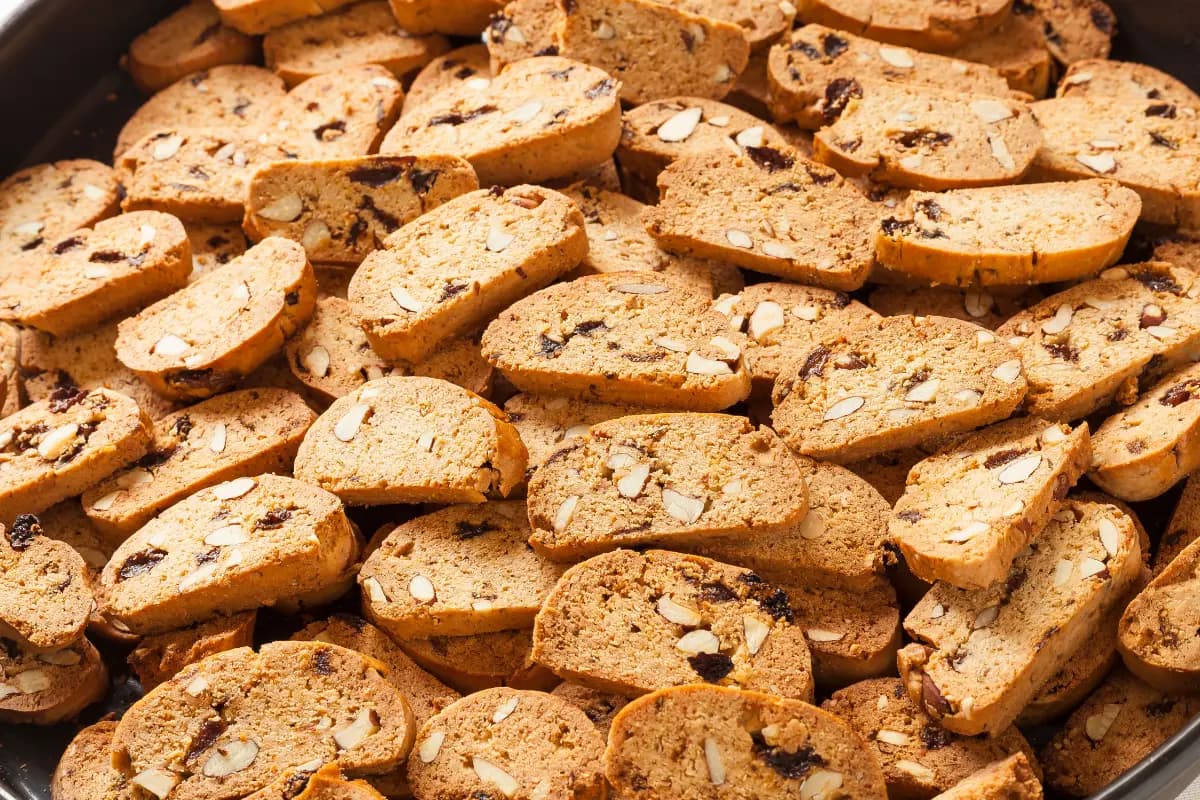
Fekkas - Morocco's beloved twice-baked cookies - represent one of the country's most iconic and enduring sweet traditions. Similar in concept to Italian biscotti but distinctly Moroccan in flavor and character, fekkas are crunchy, golden biscuits studded with nuts, dried fruits, and aromatic spices that perfume Moroccan homes during their baking. The name 'fekkas' (also spelled 'faqas' or 'fakkous') comes from the Arabic word for 'to crack,' referring both to the satisfying crunch when you bite into them and the traditional method of breaking rather than cutting the logs after the first baking. These humble yet sophisticated cookies embody Moroccan hospitality - they're always ready in the kitchen, stored in tins for unexpected guests, served alongside steaming glasses of mint tea, and present at every celebration from intimate family gatherings to elaborate wedding feasts.
What makes fekkas so special is their remarkable keeping quality and versatility. The twice-baking process - first baking formed logs until set, then slicing and baking again until crispy - removes moisture and creates cookies that stay crunchy for weeks or even months when properly stored. This longevity made fekkas essential in pre-refrigeration Morocco, when families would bake large batches to have sweets always available for the constant flow of visitors that Moroccan hospitality demands. The base is a simple, sturdy dough enriched with eggs, oil or butter, and fragrant with anise, sesame seeds, and sometimes orange blossom water. Into this dough go generous amounts of toasted almonds and sweet raisins, though variations include pistachios, walnuts, hazelnuts, dried figs, dates, or even chocolate chips in modern versions. The spicing is warm and aromatic - cinnamon, anise, sesame - creating a flavor profile that's simultaneously comforting and exotic.
Fekkas hold particular significance during Ramadan and Eid celebrations, when Moroccan families prepare elaborate assortments of sweets. Large batches of fekkas are made in the days before Ramadan begins, filling cookie tins that will be offered to visitors throughout the holy month and especially during Eid al-Fitr celebrations that mark Ramadan's end. The cookies appear on iftar tables as a sweet finish to the evening meal, and they're the traditional accompaniment to afternoon or evening tea. Beyond religious holidays, fekkas are everyday treats - the cookies you grab when you need something sweet with your tea, what you serve when neighbors drop by unexpectedly, and what you pack for children's school snacks. The beauty of fekkas lies in their honest simplicity - these are not fancy, labor-intensive pastries but straightforward, delicious cookies that anyone can make, that improve with age, and that capture the essence of Moroccan home baking and generous hospitality.
About This Recipe
Fekkas hold a treasured place in Moroccan culinary heritage as symbols of hospitality, celebration, and the enduring traditions of home baking. The tradition of twice-baked cookies spans many cultures - Italian biscotti, Greek paximadia, Middle Eastern ka'ak - but Moroccan fekkas have their own distinctive character shaped by North African ingredients and flavor preferences. The name 'fekkas' derives from Arabic, referring to the satisfying crack when you bite into these crunchy cookies. The origins of fekkas likely trace back centuries to when Berber and Arab communities in Morocco discovered that twice-baking created cookies with remarkable keeping qualities - essential in times before refrigeration when having sweets available for unexpected guests was a matter of hospitality and honor. The twice-baking process removes moisture, creating cookies that stay crispy and fresh for weeks or even months, making them ideal for the constant flow of visitors that Moroccan culture celebrates. Traditional Moroccan homes always kept tins of fekkas ready, along with dates and dried fruits, to offer guests who might arrive at any moment with the requisite tea service. The base recipe evolved to incorporate ingredients available in Morocco - local almonds, raisins from desert oases, aromatic spices from ancient trade routes, and the distinctive flavoring of anise and orange blossom water that characterize Moroccan sweets. Regional and family variations developed - some areas favored almonds, others walnuts or mixed nuts; some included sesame prominently, others emphasized anise; spicing ranged from subtle to bold. Fekkas became particularly associated with Ramadan and Eid celebrations, when families would prepare enormous batches alongside other traditional sweets like chebakia, sellou, and ghriba. The communal baking sessions before Ramadan, with women gathering to prepare weeks' worth of sweets, strengthened family and community bonds while ensuring the pantry was stocked for the month of fasting and celebration ahead. During Eid al-Fitr, elaborate assortments of fekkas and other sweets were exchanged as gifts between families, cementing social relationships and demonstrating generosity. Beyond religious occasions, fekkas appeared at weddings, birth celebrations, and any gathering where sweets were required - their ability to feed many from relatively humble ingredients made them accessible to all economic levels. The cookies also became popular as traveling food and provisions for journeys, since their hardness and dryness meant they wouldn't spoil or crumble easily. Today, fekkas remain beloved throughout Morocco and among Moroccan diaspora communities worldwide, representing connection to heritage and home. Modern bakeries sell fekkas alongside traditional shops, and home bakers continue making them for family occasions and everyday enjoyment. Contemporary variations might include chocolate chips, dried cranberries, or modern flavor combinations, but traditional versions with almonds, raisins, and warm spices remain most popular. The sight of fekkas on a table signals Moroccan hospitality at its finest - these humble cookies embody generosity, tradition, and the delicious rewards of time-honored baking methods.
Nutritional Info (per serving)
Recipe Tags
Understanding the Ingredients
All-Purpose Flour
The foundation of fekkas is all-purpose flour, which provides structure and creates the characteristic sturdy, crunchy texture. You'll need approximately four cups of flour for a batch of forty cookies. Some traditional recipes use a mixture of all-purpose flour and fine semolina (about three cups all-purpose to one cup semolina) for additional texture and nutty flavor. The flour should be spooned and leveled, not packed, for accurate measurement. Sifting isn't necessary but can help create a lighter texture. The relatively high proportion of flour to other ingredients creates a firm dough that holds its shape during the first baking and slices cleanly for the second baking.
Eggs
Eggs provide richness, binding, and structure to fekkas. This recipe uses four large eggs, which create a dough that's cohesive enough to shape into logs but not too soft or sticky. The eggs should be at room temperature for easier incorporation and better emulsification with the oil or butter. Some traditional recipes use only egg yolks for extra richness, while others use whole eggs for a lighter result. An egg wash (one beaten egg) is also brushed on the logs before the first baking, creating an attractive golden sheen on the finished cookies.
Sugar
Granulated sugar sweetens the fekkas and contributes to their crispy texture. You'll need approximately one cup of sugar, which creates cookies that are sweet but not cloying - the sweetness should balance the richness of nuts and the warmth of spices. Some cooks prefer superfine sugar for easier dissolution. The sugar amount can be adjusted to taste - traditional Moroccan palates often prefer them quite sweet, while modern versions sometimes reduce sugar slightly. A small amount of the sugar is sometimes reserved to sprinkle on top of the logs before baking for extra crunch and sparkle.
Oil or Butter
Fat provides tenderness and richness. Traditional fekkas use vegetable oil (about three-quarters cup), which creates a tender crumb and allows the cookies to stay fresh longer. Neutral oils like canola, sunflower, or vegetable oil work perfectly. Some modern recipes use melted butter (three-quarters cup or one and a half sticks) for richer flavor, though this makes cookies that are slightly less crispy and have shorter shelf life. A combination of half oil, half butter offers the best of both worlds. The fat should be at room temperature for easy mixing.
Almonds
Whole almonds (about two cups) are traditional and essential for authentic fekkas. The almonds should be toasted before adding to the dough - toasting intensifies their flavor and adds depth to the cookies. Toast whole blanched almonds in a 350°F oven for eight to ten minutes until fragrant and lightly golden, then cool completely before adding to dough. Some cooks use whole almonds with skins for rustic appearance and slightly bitter edge, while others prefer blanched almonds for elegance. The almonds can be left whole for dramatic appearance and substantial crunch, or roughly chopped for more even distribution throughout the cookies.
Raisins
Sweet raisins (one to one and a half cups) provide bursts of natural sweetness and chewy texture that contrasts beautifully with the crunchy cookie. Golden raisins, dark raisins, or a mixture work equally well. If the raisins are very dry, soak them in warm water for ten minutes, then drain and pat completely dry before adding to dough - this prevents them from absorbing moisture from the dough and ensures they stay plump. Some traditional versions use chopped dates or dried figs instead of or in addition to raisins.
Spices and Flavorings
The aromatic signature of fekkas comes from warm spices and distinctive flavorings. Anise seeds (two tablespoons) are traditional and provide the characteristic licorice-like flavor that many associate with Moroccan sweets. Sesame seeds (quarter cup) add nutty flavor and visual appeal. Ground cinnamon (one tablespoon) provides warmth. Orange blossom water or vanilla extract (one to two tablespoons) adds floral or sweet notes. Some recipes include ground anise or fennel, mahlab (ground cherry pits), or mastic for additional complexity. All spices should be fresh and aromatic for best flavor.
Leavening
Baking powder (one tablespoon) provides gentle lift, creating cookies that are sturdy but not dense or hard. The amount is modest - fekkas should be compact and crunchy, not light and cakey. Some traditional recipes omit leavening entirely for extra-dense cookies, while others use a combination of baking powder and a pinch of baking soda. The leavening should be fresh and active - old baking powder won't provide proper rise.
Step-by-Step Cooking Guide
Toast Almonds and Prepare Ingredients
Begin by toasting two cups of whole almonds. Spread them in a single layer on a baking sheet and toast in a preheated 350°F (175°C) oven for eight to ten minutes, stirring halfway through, until fragrant and lightly golden. Watch carefully to prevent burning. Remove and let cool completely. If your raisins are very dry, place one to one and a half cups of raisins in a bowl, cover with warm water, and soak for ten minutes to plump them. Drain thoroughly and pat completely dry with paper towels. While these cool, measure out all other ingredients: four cups all-purpose flour, one cup sugar, three-quarters cup vegetable oil (or melted butter), four large eggs plus one for egg wash, one tablespoon baking powder, two tablespoons anise seeds, quarter cup sesame seeds, one tablespoon ground cinnamon, one to two tablespoons orange blossom water or vanilla extract, and half a teaspoon salt. Having everything measured and ready makes the process smooth.
Tip: Toast almonds until fragrant but not dark - over-toasting creates bitter flavor. Cool completely before using. Dry raisins thoroughly if soaked. Fresh spices make enormous difference in flavor.
Mix Wet Ingredients
In a large mixing bowl, combine four large eggs and one cup of sugar. Using an electric mixer or vigorous whisking by hand, beat together for three to four minutes until the mixture is pale, fluffy, and increased in volume - this incorporation of air helps create a lighter texture. Add three-quarters cup of vegetable oil (or melted, cooled butter) and one to two tablespoons of orange blossom water or vanilla extract. Beat again until well combined and emulsified - the mixture should be smooth and homogeneous. The eggs and oil should be fully integrated, not separated. This wet mixture is the foundation that will bind all the other ingredients together.
Tip: Beat eggs and sugar well - this creates structure and lightness. Oil should be room temperature for easy mixing. Orange blossom water is traditional but vanilla works well too. Don't skimp on beating time.
Combine Dry Ingredients
In a separate large bowl, whisk together four cups all-purpose flour, one tablespoon baking powder, half a teaspoon salt, one tablespoon ground cinnamon, two tablespoons anise seeds, and quarter cup sesame seeds. Whisk thoroughly to distribute the leavening, salt, and spices evenly throughout the flour - this ensures every bite has consistent flavor. If using semolina, combine three cups all-purpose flour with one cup fine semolina, then add other dry ingredients. The whisking also aerates the flour slightly, contributing to better texture.
Tip: Whisk dry ingredients thoroughly to distribute leavening and spices evenly. Fresh baking powder is essential. Measure flour by spooning and leveling, not scooping, for accuracy.
Make the Dough
Add the dry ingredients to the wet ingredients in two or three additions, mixing with a wooden spoon or your hands after each addition. The mixture will start out quite wet but will gradually come together into a shaggy dough as you add more flour. Once most of the flour is incorporated, add the toasted, cooled almonds (whole or roughly chopped) and the drained, dried raisins. Mix until everything is evenly distributed throughout the dough. The dough should be firm and cohesive but not dry or crumbly - it should hold together when pressed but not be sticky. If too sticky, add a bit more flour one tablespoon at a time. If too dry and crumbly, add a tablespoon of oil or water. Knead gently in the bowl for one to two minutes until smooth and all ingredients are well incorporated.
Tip: Add flour gradually for best control over texture. Dough should be firm but not dry. Distribute nuts and raisins evenly. Don't overwork dough - just until combined and smooth.
Shape into Logs
Line a large baking sheet with parchment paper. Divide the dough into three or four equal portions (three for thicker logs and larger cookies, four for thinner logs and smaller cookies). Using lightly floured hands, shape each portion into a log about ten to twelve inches long, two to three inches wide, and one inch tall. The logs should be relatively flat on top rather than rounded - this makes slicing easier later. Space the logs at least three inches apart on the baking sheet as they will spread slightly during baking. Press and smooth the surface of each log with your hands or a spatula to create an even, attractive shape. Beat one egg in a small bowl and brush it generously over the top and sides of each log - this creates a beautiful golden sheen. If desired, sprinkle the tops with sesame seeds or a bit of sugar for extra crunch and decoration.
Tip: Wet or oil your hands slightly if dough sticks. Make logs relatively flat for easier slicing. Space well apart - they spread during baking. Egg wash creates attractive golden color. Shape carefully for uniform cookies.
First Baking
Preheat your oven to 350°F (175°C). Place the baking sheet with the shaped, egg-washed logs in the center of the oven. Bake for twenty-five to thirty-five minutes until the logs are golden brown, firm to the touch, and a toothpick inserted in the center comes out clean. The logs should be baked through but not deeply browned or hard - they need to be firm enough to slice but will continue baking in the second round. The exact timing depends on the thickness of your logs - thicker logs take longer. Remove from oven and let cool on the baking sheet for ten to fifteen minutes until cool enough to handle but still slightly warm - this is the ideal temperature for clean slicing.
Tip: Bake until golden and firm but not hard. Toothpick should come out clean. Cool ten to fifteen minutes - this is crucial for clean slicing. If too hot, slices crumble; if too cool, cutting is difficult.
Slice the Logs
Using a sharp, serrated knife (a bread knife works perfectly), carefully slice each slightly cooled log diagonally or straight across into slices about half to three-quarters inch thick. Traditional Moroccan method is to slice diagonally for elegant elongated cookies. Use a gentle sawing motion rather than pressing down, which can crack the logs. Some cooks prefer to break rather than cut the logs for very rustic appearance, but slicing creates more uniform, attractive cookies. As you slice, arrange the cookies cut-side down on the same baking sheet (or use two sheets if needed) - they can be close together now as they won't spread. You should get approximately forty cookies depending on log size and slice thickness.
Tip: Use serrated knife for clean cuts. Slice while slightly warm but not hot. Diagonal slices are traditional and elegant. Gentle sawing motion prevents cracking. Arrange cut-side down for second baking.
Second Baking
Return the sliced cookies to the 350°F (175°C) oven. Bake for fifteen minutes, then carefully flip each cookie to the other cut side using tongs or a spatula. Bake for another ten to fifteen minutes until both sides are golden brown and the cookies are thoroughly crispy and dry. The total second baking time is about twenty-five to thirty minutes. The cookies should be quite hard and completely dry - any remaining moisture will make them soft rather than crunchy. They will continue to crisp as they cool. Remove from oven and transfer to a wire cooling rack. Let cool completely to room temperature - this takes about one hour. As they cool, they will become even crunchier and reach their final texture.
Tip: Bake until thoroughly dry and crispy - underبaking makes soft cookies. Flip halfway through for even browning. Cookies harden as they cool - don't worry if they seem slightly soft when hot. Complete cooling is essential before storing.
Cool and Store
Once completely cool, the fekkas are ready to serve or store. They should be hard and crunchy throughout with no soft spots. Store in an airtight container or cookie tin at room temperature. Properly baked and stored fekkas will stay fresh and crunchy for three to four weeks, and some Moroccan cooks report they keep even longer - two to three months - in completely airtight conditions. The cookies actually improve in flavor over the first few days as the spices bloom and meld. Layer the cookies in the container with parchment paper between layers if stacking many. Keep in a cool, dry place away from humidity.
Tip: Cool completely before storing - any warmth creates condensation and softness. Store airtight for maximum freshness. Will keep for weeks. Flavor improves after few days. Don't refrigerate - moisture makes them soft.
Common Mistakes to Avoid
❌ Slicing the Logs Too Hot or Too Cold
Solution: The logs must be cooled ten to fifteen minutes after first baking - this specific window is crucial. Too hot and the logs crumble and fall apart when sliced. Too cold and they're hard to cut and may crack. Slice while still slightly warm for clean, easy cuts.
❌ Insufficient Second Baking
Solution: The most common mistake is not baking the sliced cookies long enough in the second baking. They must be thoroughly dry and hard throughout - any remaining moisture makes them soft rather than crunchy. Bake until deeply golden and completely crisp, even if they seem overdone. They harden further as they cool.
❌ Wet Raisins
Solution: Adding raisins that are wet or haven't been thoroughly dried after soaking causes them to release moisture into the dough, making cookies that are soft and potentially moldy during storage. If you soak raisins to plump them, drain thoroughly and pat completely dry with paper towels before adding to dough.
❌ Dough Too Soft
Solution: If the dough is too soft and sticky, it won't hold its shape during the first baking, creating flat, spreading logs that are difficult to slice. The dough should be firm and cohesive. Add more flour gradually if needed until dough is sturdy but not dry.
❌ Not Toasting Almonds
Solution: Raw almonds create bland fekkas without the depth of flavor that toasting provides. Always toast almonds before adding to dough. This simple step makes enormous difference in final flavor - the toasted, nutty aroma is essential to authentic fekkas.
❌ Storing Before Completely Cool
Solution: Storing fekkas while still even slightly warm creates condensation in the container, which makes the cookies soft and can cause mold. Let them cool completely to room temperature - about one hour - before storing in airtight containers.
Ingredient Substitutions
Instead of: All-Purpose Flour
Use: A mixture of three cups all-purpose flour and one cup fine semolina creates more traditional texture. For gluten-free, use gluten-free flour blend (texture will differ). Whole wheat flour can replace part of all-purpose for nuttier flavor but creates denser cookies.
Instead of: Almonds
Use: Walnuts, hazelnuts, pistachios, or pecans work beautifully. A mixture of nuts is lovely. Always toast nuts before using for best flavor. Sunflower or pumpkin seeds work for nut-free version.
Instead of: Raisins
Use: Dried cranberries, chopped dates, dried figs, dried apricots (chopped), or dried cherries all work. Mix different dried fruits for variety. Chocolate chips can be added in modern versions.
Instead of: Vegetable Oil
Use: Melted butter creates richer flavor but slightly softer texture and shorter shelf life. Half butter, half oil offers good compromise. Olive oil creates interesting flavor but should be mild, not strong.
Instead of: Orange Blossom Water
Use: Vanilla extract works perfectly. Rose water is traditional alternative. Lemon or orange zest adds citrus notes. Almond extract complements the nuts. Use two teaspoons of extract to replace two tablespoons orange blossom water.
Instead of: Anise Seeds
Use: Fennel seeds provide similar licorice flavor. Ground anise or star anise can work (use one tablespoon ground instead of two tablespoons seeds). Omit entirely for milder cookies, replacing with more cinnamon or cardamom.
Serving Suggestions
Serve fekkas as the traditional accompaniment to Moroccan mint tea - the cookies are perfect for dunking in the hot, sweet tea.
Arrange on beautiful platters as part of Ramadan iftar dessert spread, alongside chebakia, sellou, and other traditional sweets.
Offer as part of Eid celebration sweets, presented in decorative tins or on ornate serving plates.
Include in Moroccan tea ceremony presentations, serving with mint tea, dates, and fresh fruit.
Package in decorative tins or boxes as traditional Moroccan gifts - fekkas are classic gift sweets.
Serve as afternoon snack with coffee, tea, or even hot chocolate - they pair well with any hot beverage.
Create elegant dessert by serving fekkas with Moroccan coffee, fresh orange slices sprinkled with cinnamon, and dates.
Pack in lunch boxes or take on picnics - their durability and long shelf life make them ideal travel cookies.
Storage & Reheating Guide
Storage
Fekkas are designed for long storage and will keep fresh for weeks when properly stored. Once completely cooled to room temperature, transfer to airtight containers or traditional cookie tins. Layer with parchment paper between layers if stacking many cookies. Store at room temperature in a cool, dry place away from humidity and direct sunlight. Properly baked fekkas (thoroughly dried during second baking) will stay crisp and fresh for three to four weeks, and many Moroccan families report they keep two to three months in completely airtight conditions. The flavor actually improves over the first few days as spices bloom and meld. Fekkas can also be frozen for up to six months - freeze in airtight containers or freezer bags, then thaw at room temperature for one hour before serving. They maintain their crunch beautifully after freezing.
Reheating
Fekkas are served at room temperature and don't require reheating. However, if they've absorbed moisture from humid conditions and lost some crispness, you can refresh them by placing on a baking sheet in a 300°F (150°C) oven for five to ten minutes until crisp again. Cool completely before storing. This re-crisping works wonderfully to restore texture if cookies have softened.
Tips: The key to long storage is ensuring cookies are completely dry during second baking and completely cool before storing. Never refrigerate fekkas - refrigeration introduces moisture that makes them soft. In very humid climates, add a food-safe silica gel packet to storage container to absorb any moisture. Make large batches - they keep so well that it's worth making plenty to have on hand for guests and tea time.
Frequently Asked Questions
Recipe by

Similar Recipes


Our Recipe Ebooks
Discover our collection of authentic Moroccan recipe ebooks. Learn traditional cooking methods and create delicious meals at home.
The Moroccan Vegen
The Royal Moroccan Table -Part1
The Royal Moroccan Table -Part2
YouTube Channel
Watch step-by-step cooking videos, learn professional techniques, and get inspired by traditional and modern recipes from around the world.
Latest Video
"Traditional Moroccan Tagine Masterclass"