
Introduction
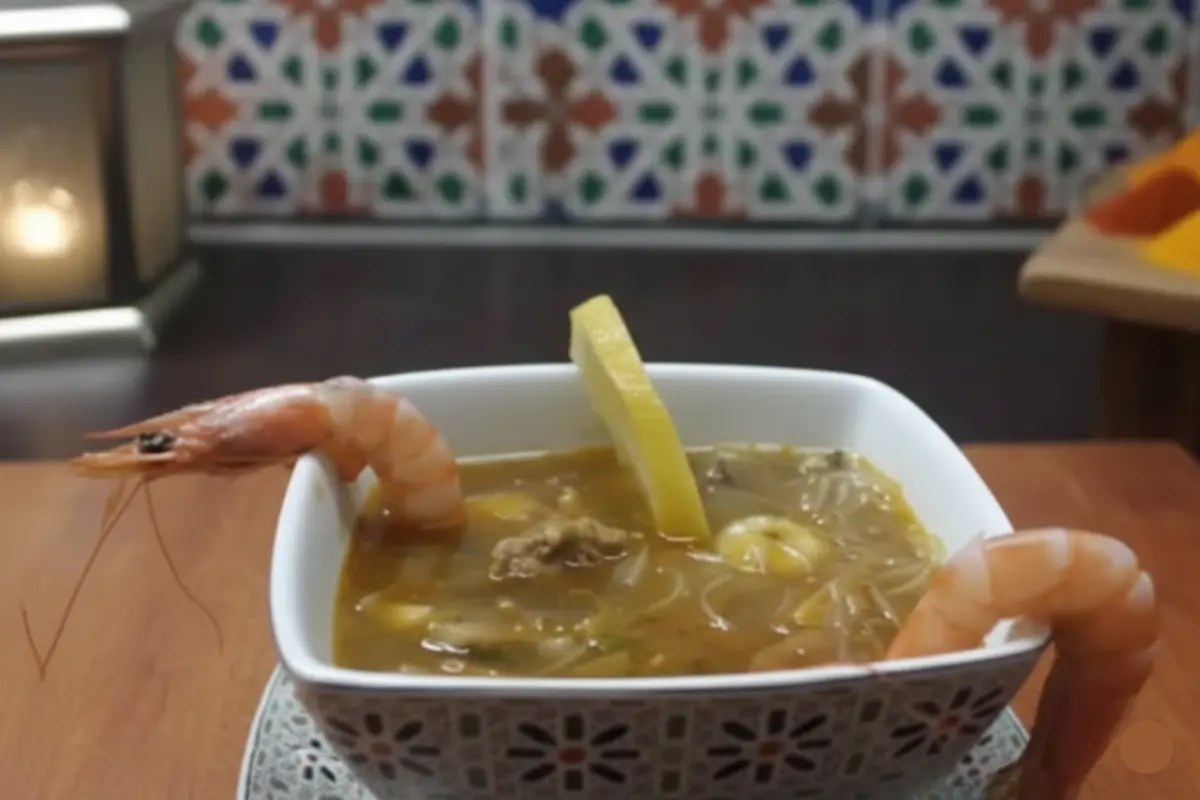
Chorba Hout (شوربة الحوت) is Morocco's soul-warming answer to the seaside's bounty, a soup that captures the essence of coastal living from the bustling ports of Tangier to the historic ramparts of Essaouira. Unlike the richer harira or the vegetable-forward chorba khodra, this version celebrates the ocean's gifts, combining tender fish and seafood with a broth deeply infused with North African spices .
The name 'Chorba Hout' simply means 'fish soup,' yet it represents a family of recipes as diverse as the Moroccan coastline itself. In Tangier, the soup might be simpler, relying on turmeric's golden warmth . In other regions, it takes on the fiery personality of harissa and the smoky depth of roasted peppers . What unites all versions is the principle of gentle cooking—seafood added at the last moment, simmered just until tender, preserving its delicate texture and sweetness .
This recipe draws from multiple coastal traditions to create a definitive version. It begins with a sofrito of onions, garlic, and warming spices like cumin, coriander, and a touch of harissa. Roasted red peppers are swirled in for sweetness and smokiness . The broth is built with fish stock and tomatoes, then finished with chunks of firm white fish and, in some variations, calamari or shrimp .
The crowning glory is the accompaniment: thick slices of baguette, toasted until crisp and rubbed with fresh garlic, served alongside or at the bottom of the bowl to soak up the fragrant broth . A final flourish of fresh cilantro and a squeeze of lemon brightens every spoonful. Whether served as a starter during Ramadan or as a main course on a chilly winter evening, Chorba Hout is a taste of Moroccan coastal hospitality—warming, nourishing, and deeply satisfying.
About This Recipe
Chorba Hout (شوربة الحوت) is a testament to Morocco's deep connection with the sea. While the country's culinary identity is often associated with lamb tagines and couscous, its extensive Atlantic and Mediterranean coastlines have nurtured vibrant fishing communities for centuries. From the bustling port of Tangier in the north, where author Nargisse Benkabbou's parents discovered a simple yet memorable turmeric-spiced version in a small restaurant, to the historic fortified city of Essaouira, famous for its seafood, chorba hout is the taste of the Moroccan coast . Unlike the more inland soups, chorba hout reflects the daily catch and the resourcefulness of coastal cooks. It is less a rigid recipe and more a family of preparations, varying by region and what the sea provides. In some homes, it's a simple, golden broth with chunks of fish and a hint of spice ; in others, it's a more elaborate affair with roasted peppers, harissa, and a medley of seafood . The soup also holds a place in Morocco's diverse culinary traditions. Jewish-Moroccan versions, for instance, might include unique spices and techniques passed down through generations . During the 20th century, as tourism grew in coastal cities, this humble fisherman's soup found its way onto restaurant menus, introducing visitors to a different facet of Moroccan cuisine. Today, it remains a beloved classic, connecting modern Moroccans to their maritime heritage and offering a warming taste of the sea in every spoonful.
Nutritional Info (per serving)
Recipe Tags
Understanding the Ingredients
Fish and Seafood
The soul of this soup, requiring a thoughtful selection. Use a mix of firm white fish fillets (like cod, haddock, sea bass, or monkfish) cut into large chunks . For depth and variety, add cleaned squid rings and peeled shrimp . Some traditional versions include clams or mussels, which add a briny essence to the broth . The key is to add seafood in stages based on cooking time: fish first, then squid, then shrimp, and finally clams that need only minutes to open. Overcooking seafood is the most common mistake; it should be just cooked through and tender .
The Aromatic Base
Building a flavorful foundation is essential. Onion and garlic are gently sautéed until soft, providing sweetness without harshness . A key variation in some coastal recipes includes finely chopped celery, which adds a subtle savory note . The spices—ground cumin and coriander—are 'bloomed' in the oil, releasing their essential oils and deepening their flavor .
Harissa and Roasted Peppers
These ingredients give the soup its distinctive North African character. Harissa, the iconic chili paste, adds warmth, complexity, and a gentle heat that can be adjusted to preference (2-3 teaspoons for medium spice) . Roasted red bell peppers—either home-roasted or high-quality jarred—provide a smoky sweetness that balances the spice and adds body to the broth . Some recipes also include a fresh red chili for an extra kick .
Tomatoes and Stock
The liquid base is a combination of crushed tomatoes and fish stock . The tomatoes provide acidity and richness, while the stock (homemade from fish bones is ideal, but high-quality store-bought works) provides the marine foundation. A touch of tomato paste deepens the color and umami flavor. Some versions add a splash of dry white wine for complexity .
Fresh Herbs and Finish
Fresh cilantro (coriander) is indispensable, used both during cooking and as a final garnish . Its bright, citrusy notes cut through the richness of the broth. A generous squeeze of fresh lemon juice just before serving is essential—it lifts all the flavors and ties the dish together .
Garlic-Rubbed Toast (Optional but Traditional)
In many North African versions, the soup is served with thick slices of baguette, toasted until crisp and rubbed with a cut garlic clove . This isn't just an accompaniment; it's part of the dish itself, providing a textural contrast and absorbing the flavorful broth. In some elaborate presentations, the toast is placed in the bowl, topped with fish pieces, then ladled with soup .
Step-by-Step Cooking Guide
Prepare the Roasted Peppers
Preheat your oven's broiler or grill. Cut 2 red bell peppers into quarters, removing the membrane and seeds . Place skin-side up on a baking sheet and broil for 10-15 minutes until the skin is blackened and blistered. Transfer to a bowl, cover with plastic wrap, and let steam for 10 minutes. Peel off the skin and cut the flesh into thin strips. (Alternatively, use 2 high-quality jarred roasted red peppers, drained and sliced.)
Tip: The steaming step after roasting makes the peppers incredibly easy to peel. The smoky flavor from roasting is essential and cannot be replicated with raw peppers.
Sauté the Aromatics
In a large, heavy-bottomed pot or Dutch oven, heat 2 tablespoons of olive oil over medium heat. Add 1 finely chopped brown onion and cook, stirring occasionally, for 5-7 minutes until softened and translucent but not browned . Add 4 finely minced garlic cloves and cook for 1 minute until fragrant .
Tip: Do not rush this step. Properly softened onions provide the sweet, savory foundation for the entire soup.
Bloom the Spices and Build the Base
Stir in 2 teaspoons of ground cumin, 2-3 teaspoons of harissa paste (adjust to your spice preference), and 1 tablespoon of tomato paste . Cook for 2 minutes, stirring constantly, until the spices are fragrant and the tomato paste has darkened slightly. This 'blooming' step is crucial for developing deep flavor.
Tip: The mixture will become quite thick and paste-like. If it starts to stick to the bottom, add a tablespoon of water to deglaze.
Add Liquids and Simmer
Pour in 3 cups of fish stock, 13 ounces of crushed tomatoes, and 2 cups of water . Add 2 bay leaves. Bring the soup to a gentle boil, then immediately reduce the heat to low. Cover and let it simmer for 20-25 minutes to allow the flavors to meld .
Tip: A gentle simmer, not a rolling boil, is essential. Boiling can make the spices bitter and cloud the broth.
Add the Fish and Seafood
If using squid, add the rings to the soup first and simmer for 2 minutes. Then, gently add 1.5 lbs of firm white fish chunks and cook for 5 minutes . Finally, add 200g of peeled shrimp (if using) and cook for an additional 3-5 minutes, or until the shrimp are pink and opaque and the fish is just cooked through . All seafood should be tender, not overcooked .
Tip: Watch the pot carefully. Fish and seafood cook very quickly. They are done when the fish flakes easily and the shrimp are just pink. Remove from heat immediately to prevent toughness.
Finish the Soup
Remove the pot from the heat. Carefully remove the bay leaves and discard. Gently stir in the roasted pepper strips and half of a large handful of fresh chopped cilantro . Let the residual heat warm the peppers through. Taste the broth and adjust seasoning with salt and black pepper. Stir in the juice of 1 lemon .
Tip: Add the lemon juice at the very end to preserve its bright, fresh flavor. If added too early, its acidity will mellow and fade.
Prepare the Garlic Toast
While the soup simmers, slice a baguette into thick slices. Toast them until golden and crisp. While still warm, rub one side of each slice with a cut garlic clove .
Tip: The garlic will melt slightly into the warm toast, infusing it with flavor without the harshness of raw garlic.
Serve with Style
For a traditional presentation, place one or two garlic-rubbed toasts in the bottom of each shallow soup bowl . Pile several pieces of fish and seafood on top of the toast. Ladle the hot broth over everything, ensuring the roasted pepper strips are distributed evenly. Garnish generously with the remaining fresh cilantro. Serve immediately, with extra lemon wedges on the side .
Tip: This serving method allows the toast to soak up the broth while remaining slightly crisp on top. It's a textural delight.
Common Mistakes to Avoid
❌ Overcooking the Seafood
Solution: Fish and shellfish become tough and rubbery when overdone. Add them in stages based on cooking time, and remove the soup from the heat as soon as the seafood is just cooked through. The residual heat will continue to cook it slightly.
❌ Using the Wrong Fish
Solution: Delicate fish like sole or tilapia will fall apart in the soup. Choose firm, meaty white fish such as cod, haddock, sea bass, or monkfish that hold their shape during simmering .
❌ Skipping the Spice Bloom
Solution: Adding spices directly to the liquid without sautéing them first in oil results in a flat, muted flavor. Blooming the spices in the hot oil for a minute is essential for unlocking their full aromatic potential.
❌ Not Adjusting Harissa to Taste
Solution: Harissa's heat level varies by brand and batch. Start with 2 teaspoons, taste the broth before adding the seafood, and adjust upward if more heat is desired. You can always add more, but you cannot remove it.
❌ Adding Lemon Too Early
Solution: Lemon juice added at the beginning of cooking will lose its bright, acidic punch and can make the broth taste flat. Always add it at the very end, just before serving, to preserve its freshness.
Ingredient Substitutions
Instead of: Fresh Fish Stock
Use: High-quality store-bought fish stock or clam juice diluted with water. Vegetable stock can be used for a lighter, non-fish version, but will lack depth. Water with a dash of white wine is a last resort.
Instead of: Harissa
Use: 1 teaspoon of chili paste (like sambal oelek) mixed with ½ teaspoon each of ground cumin and caraway seeds. For less heat, use ½ teaspoon of smoked paprika and a pinch of cayenne.
Instead of: Fresh Red Bell Peppers
Use: 2 whole roasted red peppers from a jar, drained and sliced. Do not use raw bell peppers, as they lack the necessary sweetness and smoky flavor.
Instead of: Baguette
Use: Any crusty, rustic bread such as sourdough, ciabatta, or Moroccan khobz.
Instead of: Mixed Seafood
Use: Use 2 pounds of just one type of firm white fish. The soup is still delicious. If omitting shellfish, consider adding a pinch of saffron for a touch of coastal luxury .
Serving Suggestions
Serve as a hearty main course for a winter evening, accompanied only by the garlic-rubbed toast .
Offer as a starter during Ramadan to break the fast, following the tradition of light yet nourishing soups .
Pair with a simple green salad dressed with lemon and olive oil for a complete, balanced meal.
For a special touch, drizzle each bowl with a swirl of high-quality olive oil and a sprinkle of paprika just before serving .
Provide extra lemon wedges and a small bowl of harissa on the side for guests to customize the heat and acidity to their liking.
Storage & Reheating Guide
Storage
Store the soup and seafood separately if possible. If combined, the seafood will continue to soften and may become mushy. Refrigerate in airtight containers for up to 2 days. The broth's flavor deepens overnight, making it even more delicious.
Reheating
Reheat the broth gently on the stovetop until simmering. Add the reserved seafood and cook for only 1-2 minutes, just until warmed through. Do not boil. Alternatively, reheat individual portions gently in the microwave.
Tips: Because seafood is best enjoyed fresh, this soup is ideal for immediate serving. If you anticipate leftovers, slightly undercook the seafood so it finishes cooking during the gentle reheating process.
Frequently Asked Questions
Recipe by

Similar Recipes


Our Recipe Ebooks
Discover our collection of authentic Moroccan recipe ebooks. Learn traditional cooking methods and create delicious meals at home.

The Moroccan Vegen

The Royal Moroccan Table -Part1
The Royal Moroccan Table -Part2
YouTube Channel
Watch step-by-step cooking videos, learn professional techniques, and get inspired by traditional and modern recipes from around the world.
Latest Video
"Traditional Moroccan Tagine Masterclass"