
20
Prep (min)
50
Cook (min)
4
Servings
Medium
Level
Introduction
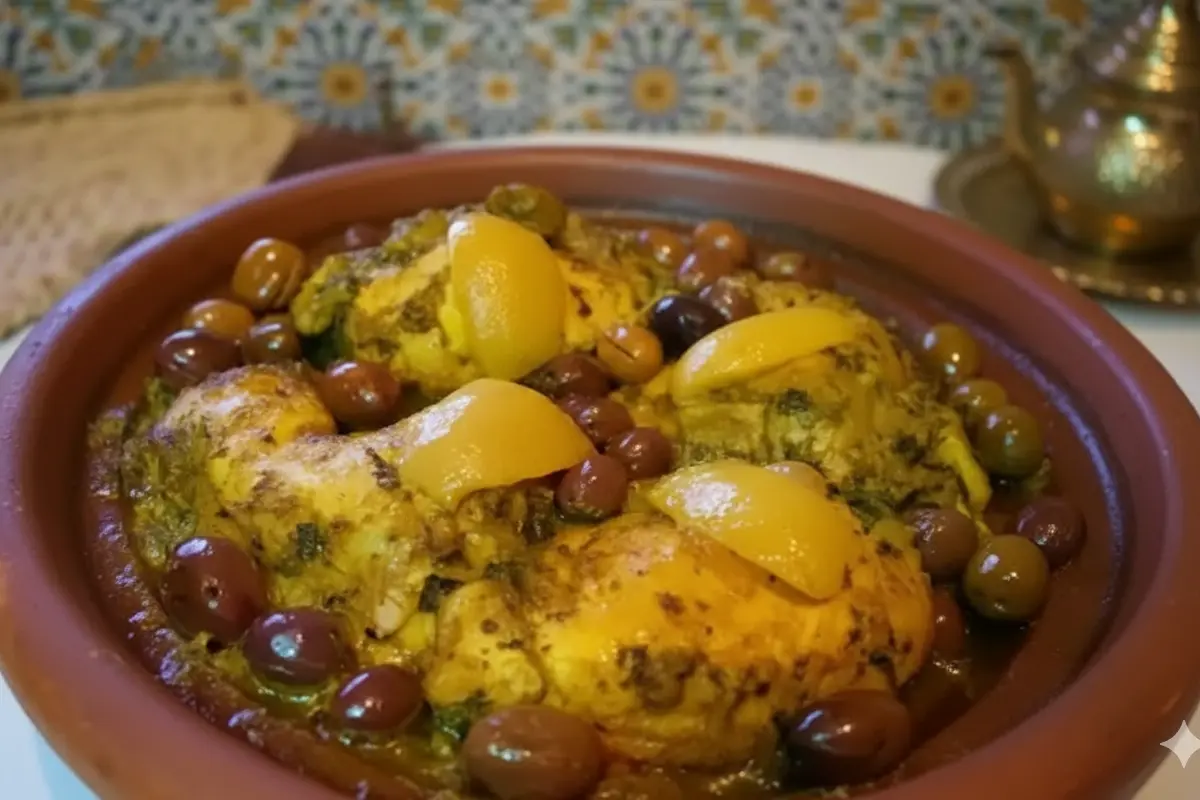
Chicken tagine with preserved lemons and olives stands as one of Morocco's most iconic and internationally recognized dishes - a perfect introduction to Moroccan cooking and a beloved staple in homes throughout the kingdom. This is the tagine that appears on restaurant menus from Tangier to Marrakech, the one that grandmothers teach their granddaughters to make, and the dish that Moroccans living abroad crave most. Its appeal lies in the sophisticated simplicity: tender chicken pieces infused with warm spices, brightened by the unique tangy-salty complexity of preserved lemons, and balanced by the briny depth of green olives.
What distinguishes this tagine from the similar olive version you may have encountered is the spotlight on preserved lemons - those magical citrus fruits that have been cured in salt and their own juices until they transform into something entirely different from fresh lemons. Preserved lemons provide a flavor that is simultaneously tangy, salty, floral, and umami-rich, with none of the harsh acidity of fresh lemon. They are the secret ingredient that makes Moroccan food taste unmistakably Moroccan, and this tagine showcases them brilliantly. The preserved lemon rinds, soft and edible after their long cure, infuse the entire dish with their distinctive character.
The beauty of this preparation is its elegant restraint. Unlike some elaborate Moroccan dishes with dozens of ingredients, this tagine relies on a handful of carefully chosen elements that work in perfect harmony. Saffron threads add floral notes and golden color. Fresh ginger provides clean, bright heat. Onions cook down into the sauce, providing natural sweetness and body. The chicken itself becomes fall-apart tender through gentle braising, while the sauce reduces to a concentrated, silky consistency that coats each piece. This is refined Moroccan cooking at its finest - complex flavors achieved through quality ingredients and proper technique rather than lengthy ingredient lists.
About This Recipe
Chicken tagine with preserved lemons represents the essence of Moroccan culinary sophistication - a dish that has graced tables from humble homes to royal palaces for centuries. This particular preparation is most closely associated with Fez, Morocco's spiritual and culinary capital, where the art of tagine cooking reached its highest refinement. The combination of chicken with preserved lemons and olives reflects the Fassi kitchen's mastery of balancing flavors: the richness of poultry, the tang of fermented citrus, the brine of olives, and the warmth of saffron and ginger working in perfect harmony. Preserved lemons themselves are an ancient preservation technique born of necessity in hot climates before refrigeration, transforming perishable fresh lemons into ingredients that could last months or years. The preservation process was likely discovered independently across the Mediterranean and North Africa, but Morocco elevated preserved lemons to culinary art. Every Moroccan household traditionally made preserved lemons in late winter when citrus was abundant, packing quartered lemons with coarse salt in ceramic jars and leaving them to cure for at least a month. The resulting preserved lemons became essential to countless Moroccan dishes, but perhaps nowhere do they shine more brilliantly than in this chicken tagine. The dish itself represents the evolution of Moroccan tagine cooking from simple Berber stews cooked over open fires to sophisticated urban cuisine refined in the imperial cities. Fez, with its ancient medina and centuries-old culinary traditions, became the standard-bearer for classic Moroccan cooking. Fassi cooks developed the technique of gently braising chicken with precisely measured spices and aromatics, allowing each ingredient's character to shine rather than overwhelming everything with heavy spicing. This restraint and balance distinguish refined Fassi cooking from more rustic regional styles. The use of saffron - expensive but essential - signals that this is special-occasion food, worthy of important guests. Today, chicken tagine with preserved lemons has become Morocco's most famous dish internationally, appearing on menus from Paris to New York. It represents Moroccan cuisine to the world, introducing millions to the sophisticated interplay of sweet, savory, salty, and tangy flavors that defines the kingdom's food. For Moroccans, it remains a beloved Friday meal, a celebration dish, and comfort food - something grandmothers teach granddaughters, that brings families together, and that expatriates crave when far from home. The dish proves that the greatest recipes need not be complex - a handful of quality ingredients, proper technique, and the patience to let flavors develop slowly create food that transcends mere sustenance to become cultural heritage.
Nutrition / serving
Recipe Tags
Understanding the Ingredients
Whole Chicken or Chicken Pieces
For optimal results, use a whole chicken cut into eight pieces (two breasts, two thighs, two drumsticks, two wings) or purchase chicken pieces separately. Bone-in, skin-on pieces are essential - the bones add richness to the sauce and the skin protects the meat from drying out during braising. A three to four pound chicken serves four people generously. Many Moroccans prefer all dark meat (thighs and drumsticks) because it stays moister during the extended cooking and has richer flavor, though a mix of white and dark meat offers variety. Free-range or organic chicken provides superior flavor that shines in this relatively simple preparation. The chicken should be cut into large pieces - small pieces will overcook and fall apart. Pat the chicken dry before cooking to promote good browning.
Preserved Lemons
Preserved lemons are the star ingredient and absolutely essential to authentic flavor - there is no perfect substitute. These lemons have been quartered and cured in salt and lemon juice for at least one month, transforming them into something magical. You need two to three preserved lemons for this tagine. Only the rind is typically used - the pulp is discarded or reserved for other uses - as the rind becomes soft, edible, and intensely flavored during preservation. Quality matters tremendously: homemade preserved lemons are ideal, but good jarred versions from Middle Eastern or specialty markets work beautifully. The preserved lemons should be rinsed briefly under water before using to remove excess salt. They will be quartered or chopped and added during cooking, where they release their unique tangy, salty, slightly fermented flavor that defines this dish. Some cooks also add thin slices of preserved lemon rind as a final garnish.
Green Olives
Green olives provide essential briny, slightly bitter depth that balances the preserved lemons' tang and the chicken's richness. Use about one cup of good-quality green olives - Moroccan cracked green olives are ideal, with their firm texture and complex flavor. If unavailable, use any good Mediterranean green olive such as Picholine or Castelvetrano. The olives should be pitted for easier eating, though traditional preparations sometimes leave them whole. If using olives packed in brine, rinse them briefly to reduce excessive saltiness. Avoid canned black olives, which lack the robust flavor needed for this dish. The olives are added during the last fifteen to twenty minutes of cooking so they warm through and flavor the sauce without becoming mushy or overly soft.
Saffron Threads
Saffron is essential to this tagine, providing its characteristic golden color, delicate floral aroma, and subtle earthy-sweet flavor. You need about one teaspoon of saffron threads - this seems like a lot compared to some recipes, but Moroccan cooks are generous with saffron in special dishes. Quality saffron makes a significant difference - look for deep red threads with some orange tips, aromatic and pungent. Spanish, Iranian, or Moroccan saffron are all excellent. The saffron should be crushed between your fingers or ground with a mortar and pestle, then steeped in a few tablespoons of warm water to release its color and flavor before adding to the tagine. This steeping maximizes the saffron's impact. While expensive, saffron is what makes this dish luxurious and authentically Moroccan.
Fresh Ginger
Fresh ginger is crucial for authentic Moroccan flavor, providing clean, bright, slightly spicy heat that complements the other elements beautifully. You need about two tablespoons of grated or finely minced fresh ginger. Fresh ginger is strongly preferred over ground dried ginger, as it provides a more vibrant, less harsh flavor. The ginger should be peeled and either grated on a microplane for the finest texture, or minced very finely with a knife. The fresh ginger is added early in cooking, allowing it to infuse the entire dish with its aromatic warmth. Ground ginger can be used in addition (about one teaspoon) for a more intense ginger presence, but fresh ginger is non-negotiable.
Onions and Aromatics
Large yellow onions form the aromatic base of the sauce, breaking down during cooking to create natural sweetness and body. You need two to three large onions, finely chopped or grated. Grating the onions on a box grater creates a paste-like consistency that dissolves completely into the sauce, which is traditional in Fez. Chopped onions provide more texture but take longer to break down. Fresh garlic cloves (four to five) add pungent depth. The onions and garlic are cooked with the spices until soft and aromatic before adding the chicken and liquid. This creates the flavor foundation that every component will build upon.
Spices and Seasonings
Beyond saffron and ginger, a carefully curated blend of spices creates the tagine's characteristic warmth. Ground turmeric provides earthy depth and golden color. Ground white pepper (traditional in Fez) or black pepper adds subtle heat without overwhelming. Some recipes include a small amount of ground ginger in addition to fresh, and a pinch of ground cinnamon for warmth without sweetness. Salt is essential but should be added judiciously, as the preserved lemons and olives both contribute significant saltiness. The spice blend should be aromatic but not overpowering - this tagine showcases the preserved lemons, not heavy spices.
Fresh Herbs
Fresh cilantro and flat-leaf parsley are essential, used both during cooking and as a finishing garnish. You need about half a cup of chopped cilantro and half a cup of chopped parsley. The herbs are added in two stages: some are chopped and mixed into the cooking sauce to infuse their flavor throughout, while the rest are left as larger sprigs or roughly chopped and added at the end for fresh, bright finishing notes. Only fresh herbs will do - dried herbs cannot replicate the vibrant flavor and aroma that fresh cilantro and parsley provide. The herbs balance the richness and add a green, fresh element.
Step-by-Step Cooking Guide
Prepare the Chicken and Preserved Lemons
15 minIf using a whole chicken, cut it into eight pieces: two breasts, two thighs, two drumsticks, and two wings. You can also cut the breasts in half if they are very large for more uniform piece sizes. Pat all the chicken pieces completely dry with paper towels - surface moisture will prevent proper browning. Season the chicken pieces generously on all sides with salt and pepper. Let the chicken rest at room temperature for fifteen to twenty minutes while you prepare other ingredients. Rinse the preserved lemons under cold running water to remove excess salt. Quarter each preserved lemon, then scoop out and discard the pulp, keeping only the peel. Some people save the pulp for adding a small amount to the sauce, but traditionally only the peel is used. Cut the preserved lemon peels into strips or rough pieces. Set aside.
Tip: Room temperature chicken cooks more evenly. The preserved lemon pulp is very salty and bitter, so most recipes use only the softer, more refined peel. Rinsing reduces excessive saltiness while maintaining the essential preserved lemon flavor.
Prepare Aromatics and Bloom Saffron
10 minFinely chop or grate two to three large onions. Mince or grate about two tablespoons of fresh peeled ginger. Mince four to five garlic cloves. Chop about half a cup each of fresh cilantro and parsley, keeping half aside for final garnish. In a small bowl, crush about one teaspoon of saffron threads between your fingers or with a mortar and pestle. Add three to four tablespoons of warm water to the crushed saffron and let steep while you continue preparation - this blooming process extracts maximum color, flavor, and aroma from the expensive spice. The water will turn deep golden orange. Have all your spices measured and ready: turmeric, pepper, and any additional ground ginger you plan to use.
Tip: Crushing and steeping saffron in warm water maximizes its impact and ensures even distribution throughout the dish. This step transforms good tagine into exceptional tagine.
Brown the Chicken (Optional but Recommended)
12 minWhile traditional Moroccan tagine preparation sometimes skips browning, searing the chicken first adds significant depth of flavor. Heat three tablespoons of olive oil in your tagine base or a large, heavy pot over medium-high heat. When the oil shimmers, add the chicken pieces skin-side down, working in batches to avoid crowding - crowding causes steaming instead of browning. Let the chicken sear undisturbed for four to five minutes until golden brown, then flip and brown the other side for three to four minutes. The chicken does not need to cook through, just develop color and flavor. Transfer browned chicken to a plate and set aside. If you prefer the traditional method, you can skip browning and proceed directly to building the sauce.
Tip: Browning creates fond on the pot bottom that adds tremendous depth to the sauce. Do not move the chicken too soon - let it develop a proper crust before flipping. If skipping browning, the dish will still be delicious but slightly less complex.
Build the Aromatic Sauce Base
8 minIf you browned the chicken, pour off excess fat, leaving about two tablespoons in the pot along with the flavorful fond. If you did not brown the chicken, heat three tablespoons of olive oil over medium heat. Add the chopped or grated onions to the pot. Sauté, stirring frequently, for about five to seven minutes until the onions soften and become translucent. If they start sticking, reduce heat slightly. Add the minced garlic and grated fresh ginger. Stir constantly for about one minute until wonderfully fragrant. Add the turmeric, ground pepper, and ground ginger if using. Stir for thirty seconds to bloom the spices and coat the onions. The mixture should be aromatic and the onions should be starting to break down into a thick paste. Pour in the bloomed saffron with its steeping liquid. Add about half of the chopped cilantro and parsley, reserving the rest for finishing. Stir everything together to create the aromatic base.
Tip: The onions should cook until very soft - they form the body of the sauce. If using grated onions, they will break down almost completely, creating a silky sauce. The spices must be bloomed in the hot oil to release their essential oils.
Add Chicken and Preserved Lemons, Begin Braising
35 minReturn the chicken pieces to the pot, nestling them into the aromatic onion mixture. Turn each piece to coat with the spices and onions. Arrange the chicken in a single layer if possible, skin-side up for the best texture. Add the prepared preserved lemon peel pieces, distributing them around and over the chicken. Pour in about one and a half to two cups of water or chicken stock - enough to come about halfway up the chicken pieces. The liquid should not cover the chicken completely; you want braising, not boiling. Bring the liquid to a gentle simmer over medium heat. Once simmering, reduce the heat to low, cover with the tagine lid or a tight-fitting pot lid, and cook gently for thirty to thirty-five minutes. The chicken should cook in the aromatic steam, with the sauce gently bubbling around the edges.
Tip: Gentle simmering is key - vigorous boiling will toughen the chicken. The chicken skin should be exposed to the steam, not submerged, to maintain some texture. If the liquid level is too high, remove some; if too low, add a bit more water.
Add Olives and Continue Cooking
20 minAfter thirty to thirty-five minutes of covered cooking, the chicken should be nearly cooked through and very tender. Carefully lift the lid and add the pitted green olives, distributing them around the chicken in the sauce. If the sauce seems too thin, remove the lid or leave it slightly ajar to allow liquid to evaporate and the sauce to reduce. If the sauce seems too thick or is sticking, add a few tablespoons of water. Continue cooking uncovered or with the lid askew for an additional fifteen to twenty minutes, gently basting the chicken occasionally with the sauce using a large spoon. The chicken should be completely cooked through (internal temperature of 165°F), fall-off-the-bone tender, and the sauce should have reduced to a concentrated, glossy consistency that coats the back of a spoon.
Tip: Olives are added near the end to prevent them from becoming mushy or overly soft. The final cooking period allows the sauce to concentrate and the flavors to intensify. Baste the chicken occasionally to build glossy layers of flavor.
Final Adjustments and Rest
10 minOnce the chicken is tender and the sauce has reached the desired consistency - thick enough to coat but still slightly liquid - taste and adjust the seasoning. You likely will not need additional salt due to the preserved lemons and olives, but you might add a bit more pepper or a squeeze of fresh lemon juice for brightness. Remove the pot from heat and let it rest, covered, for five to ten minutes. This resting period allows the flavors to settle and meld, the chicken to reabsorb some juices, and makes serving easier. While the tagine rests, roughly chop or tear the remaining fresh cilantro and parsley for garnish.
Tip: The resting period is important - do not skip it even if you are eager to serve. The tagine will stay hot and the brief rest improves both flavor and texture. Taste before adding salt - preserved lemons and olives make this dish naturally salty.
Garnish and Serve
5 minAfter resting, remove the lid and sprinkle the remaining fresh cilantro and parsley generously over the top of the tagine. For an authentic presentation, you can add a few thin strips of preserved lemon peel as a decorative and flavorful garnish. Drizzle with a small amount of high-quality olive oil for sheen and richness if desired. If serving from the tagine pot, bring it directly to the table on a trivet or protective surface - the dramatic presentation is part of the experience. If plating individually, arrange chicken pieces on plates and spoon the sauce, olives, and preserved lemons generously over each portion. Serve immediately while hot, with plenty of bread for sopping up the delicious sauce, or over a bed of fluffy couscous that will absorb all the flavorful liquid.
Tip: Fresh herbs at the end add brightness and visual appeal. The preserved lemon garnish makes it clear what makes this tagine special. Serve family-style from the tagine pot for the most authentic experience.
Common Mistakes to Avoid
✗ Using Fresh Lemon Instead of Preserved
Fix: Fresh lemon cannot replicate preserved lemon's unique tangy, salty, fermented character. While you can approximate with fresh lemon zest and juice plus extra salt, the result will not be authentic. Invest in preserved lemons or make them yourself - they keep for months.
✗ Adding Olives Too Early
Fix: If olives cook for the entire time, they become overly soft and can turn bitter. Add them during the last fifteen to twenty minutes of cooking so they warm through and flavor the dish without breaking down.
✗ Using Too Much Liquid
Fix: Tagine should have a concentrated, thick sauce, not be soupy. Use just enough liquid to come halfway up the chicken. The chicken will release moisture as it cooks. Too much liquid creates weak, watery sauce instead of the desired rich consistency.
✗ Cooking Over High Heat
Fix: Gentle, low simmering is essential for tender chicken and proper sauce development. High heat will toughen the chicken and cause the sauce to reduce too quickly, potentially burning. Always maintain a gentle bubble, not a rolling boil.
✗ Not Blooming the Saffron
Fix: Adding saffron threads directly to the pot wastes much of their flavor and color. Always crush the threads and steep them in warm water first to extract maximum benefit from this expensive spice.
✗ Skipping Fresh Herbs
Fix: Fresh cilantro and parsley are not optional garnishes but essential flavor components. Dried herbs cannot substitute. If you truly cannot use cilantro, use only fresh parsley, but understand the flavor will differ from authentic tagine.
Ingredient Substitutions
Instead of: Preserved Lemons
Use: While nothing truly replicates preserved lemons, in an emergency use fresh lemon zest (from 2 lemons) combined with fresh lemon juice (3 tablespoons) and an extra half teaspoon of salt. Add during the last 15 minutes instead of at the beginning. The flavor will be brighter but less complex.
Instead of: Whole Chicken
Use: Use 3-4 pounds of chicken pieces - bone-in, skin-on thighs and drumsticks work beautifully and stay moister than breasts. Boneless chicken can work but will not provide the same rich sauce and requires less cooking time.
Instead of: Green Olives
Use: Purple Kalamata olives or other Mediterranean olives can substitute, though the flavor profile will differ slightly. Avoid canned black olives, which lack the robust flavor needed.
Instead of: Fresh Ginger
Use: In a true emergency, use one teaspoon of ground ginger, though fresh is strongly preferred for its bright, clean flavor. Add ground ginger with other spices if substituting.
Instead of: Saffron
Use: While saffron is traditional and ideal, you can omit it or use a small amount of turmeric for color only - turmeric cannot replicate saffron's distinctive flavor but provides golden color. The dish will be good but not as luxurious.
Serving Suggestions
Serve chicken tagine traditionally over fluffy steamed couscous, which soaks up the delicious sauce beautifully. The couscous should be light and separate, prepared with butter and a pinch of salt.
Accompany with plenty of Moroccan flatbread (khobz) or other crusty bread for mopping up every drop of the precious sauce - this is not optional but essential.
Start the meal with simple Moroccan salads like tomato and cucumber salad with lemon dressing, or zaalouk (eggplant salad) for contrast to the rich tagine.
Serve with extra preserved lemon slices on the side for those who want more of that distinctive tangy flavor.
Follow with fresh seasonal fruit and Moroccan mint tea for a refreshing finish that aids digestion.
For an elegant presentation, mound the couscous on a large platter, arrange the chicken pieces on top, and spoon the sauce with olives and preserved lemons over everything.
Garnish with toasted slivered almonds or sesame seeds for added texture and visual appeal, though this is not traditional for this particular tagine.
Serve family-style from the tagine pot, with everyone gathering around and taking portions with bread, for the most authentic Moroccan dining experience.
Storage & Reheating
Storage
Chicken tagine with preserved lemons actually improves in flavor after a day as the flavors continue to meld, making it excellent for advance preparation. Allow the tagine to cool completely, then transfer to an airtight container and refrigerate for up to four days. The sauce will thicken and gel slightly as it cools due to the natural gelatin from the chicken bones. This is normal and desirable. For longer storage, the tagine can be frozen for up to three months in freezer-safe containers. The preserved lemons and olives may intensify in flavor during storage, which most people find pleasant.
Reheating
Reheat gently on the stovetop over low to medium-low heat, adding a few tablespoons of water or stock if the sauce has thickened too much. Stir occasionally and heat until warmed through, about fifteen to twenty minutes from refrigerated. If reheating from frozen, thaw overnight in the refrigerator first, then reheat as directed. You can also reheat individual portions in the microwave, covered, stirring halfway through. The chicken may become even more tender after storage and reheating. Add fresh herbs after reheating to refresh the flavors.
Many Moroccans intentionally make tagine the day before serving, as the overnight rest allows flavors to deepen and develop. If doing this, slightly undercook the chicken initially and finish cooking when reheating. Fresh herbs and a squeeze of lemon juice after reheating brighten the flavors.
Frequently Asked Questions
Recipe by

Fatima El Amrani
فاطمة العمراني
Master Chef
View all recipes by Fatima →
You May Also Like
Our Ebooks

The Moroccan Vegan
$12.56

Tables of Fez: A Royal Palace Legacy
$22.99

The Soul of Morocco
$20.00
YouTube
Watch step-by-step cooking videos and learn traditional Moroccan techniques.
450+
Subscribers
150+
Videos