
Introduction
Bissara is one of Morocco's most beloved and humble dishes - a thick, creamy soup made from dried split fava beans that has sustained Moroccan people for centuries, particularly during cold winter mornings. This is true peasant food, born of necessity and economy, yet elevated through careful preparation and traditional spicing into something deeply comforting and satisfying. The name 'bissara' derives from Arabic, referring to the split dried fava beans that form the soup's foundation. In Morocco's northern cities like Tangier, Tetouan, and Chefchaouen, bissara holds a special place in culinary culture as the quintessential breakfast soup, sold by street vendors in the early morning hours to workers, students, and anyone seeking warming sustenance.
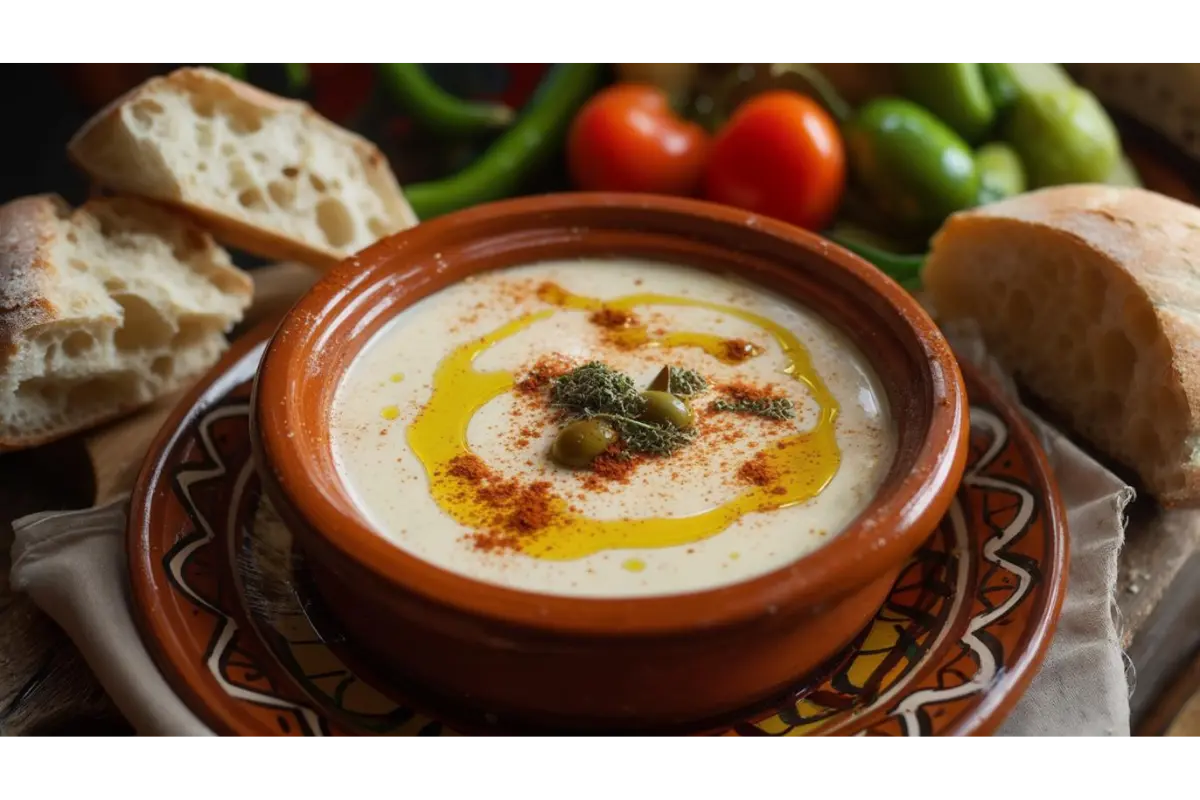
What makes bissara special is its simplicity and the transformation that occurs during cooking. Dried split fava beans, water, garlic, and a handful of spices cook together slowly until the beans completely break down into a smooth, velvety puree. The soup is traditionally finished with a generous drizzle of olive oil and a dusting of cumin and paprika, creating pools of golden oil on the surface that are stirred in as you eat. The result is rich, earthy, and deeply satisfying - protein-packed comfort in a bowl. The texture should be thick enough to coat a spoon but fluid enough to pour, somewhere between soup and puree.
Bissara embodies the Moroccan philosophy that simple, wholesome ingredients prepared with care create food that nourishes both body and spirit. This is food of the people - affordable, nutritious, filling, and delicious. It requires no exotic ingredients, no complicated techniques, just patience as the beans cook slowly and transform. Traditionally served for breakfast with Moroccan bread for dipping, bissara also appears at other meals, particularly during winter when its warmth is most welcome. The soup is naturally vegan, gluten-free, and packed with protein and fiber, making it ideal for modern healthy eating while maintaining its centuries-old traditional character.
About This Recipe
Bissara represents one of Morocco's most ancient and humble culinary traditions - true peasant food that has sustained the Moroccan people, particularly the working classes, for centuries. The dish's origins lie deep in Berber culture, predating Arab influence in North Africa. Fava beans (broad beans) are among the oldest cultivated crops, grown around the Mediterranean for thousands of years, providing affordable, protein-rich nutrition to people who could not afford meat. In Morocco, the practice of drying and splitting fava beans for long-term storage developed as a preservation technique in the days before refrigeration, allowing families to maintain protein sources year-round. Bissara emerged as the primary way to prepare these preserved beans - a simple soup requiring only beans, water, garlic, and the spices that Moroccan cooks always had on hand. The dish became particularly associated with northern Morocco, especially cities like Tangier, Tetouan, and Chefchaouen, where it evolved into the quintessential breakfast soup. In these cities, dawn would bring bissara vendors to street corners, ladling the thick, steaming soup into bowls for workers heading to their jobs, students going to school, and early risers seeking warming sustenance. The practice of generous olive oil drizzling developed not just for flavor but as a way to add affordable calories and fat to the diet of laborers who needed sustained energy. The dramatic presentation - pools of golden oil on pale soup dusted with red paprika - transformed humble beans into something visually appealing and culturally significant. Bissara's status as breakfast food reflects broader Moroccan culinary culture where soup for breakfast is normal and practical - warm, filling, protein-rich food that provides energy for the morning's work. Throughout Morocco's history, during times of hardship or scarcity, bissara sustained people when meat and expensive ingredients were unaffordable. It became emblematic of Moroccan resourcefulness - creating something nourishing and satisfying from the most basic ingredients. The soup also reflects Morocco's position in Mediterranean culinary culture, where fava beans, olive oil, and garlic form the foundation of peasant cuisine from Spain to Greece. Today, while Morocco has modernized and dietary options have expanded, bissara remains beloved across all social classes. What was once poverty food has been reclaimed as traditional heritage worth preserving. Moroccan expatriates crave bissara as comfort food that connects them to home. Health-conscious eaters appreciate it as naturally vegan, gluten-free, protein-packed, and fiber-rich. Street vendors still sell bissara in morning markets, though now serving tourists and food enthusiasts alongside workers. The dish appears in cooking competitions celebrating traditional Moroccan cuisine and in restaurants showcasing authentic peasant food. Families continue passing down their own variations - some prefer very smooth bissara, others like rustic texture; some use more garlic, others emphasize cumin; some add fresh herbs, others keep it austere. But the essential character remains unchanged: dried split fava beans cooked until creamy, seasoned boldly, and finished with generous olive oil. Bissara proves that the greatest comfort foods need not be complex or expensive - simple ingredients prepared with care and tradition create food that warms both body and soul, connecting people across generations to their culinary heritage and reminding them that the most humble dishes often carry the deepest cultural meaning.
Nutritional Info (per serving)
Recipe Tags
Understanding the Ingredients
Dried Split Fava Beans
The foundation of bissara requires dried split fava beans (also called split broad beans), not fresh or frozen fava beans. You need about one pound (two cups) of dried split fava beans. These are different from whole dried fava beans - split beans have had their tough outer skin removed and have been split in half, which allows them to cook faster and break down more easily into smooth puree. The split beans are typically pale yellow or greenish-beige and are sold in Middle Eastern, Mediterranean, or international food stores. If you can only find whole dried fava beans, you will need to soak them overnight and peel off the tough skins before cooking, which is labor-intensive. Split dried peas can substitute in a pinch, though the flavor will differ slightly. The beans should be sorted through to remove any debris or stones, then rinsed well before cooking.
Garlic
Garlic is essential to bissara's character, providing pungent depth that defines the soup. You need generous amounts - at least six to eight large cloves, though some traditional recipes use even more. The garlic is added during cooking and simmers with the beans, mellowing significantly and infusing the entire soup with its aromatic presence. Fresh garlic is mandatory; garlic powder cannot substitute. The amount of garlic can be adjusted to taste, but bissara should be noticeably garlicky - this is part of its rustic, bold character. Some cooks add half the garlic during cooking and stir in additional raw garlic at the end for more assertive flavor, though this is not traditional.
Spices and Seasonings
The spicing for bissara is deliberately simple, allowing the earthy fava beans to shine. Ground cumin is the dominant spice, providing warm, earthy notes - you need about one to two tablespoons for cooking, plus more for garnishing. Paprika, preferably smoked, adds color and mild sweetness - about one tablespoon for cooking, plus more for garnish. Some recipes include a pinch of ground coriander or cayenne pepper for additional complexity and heat. Salt is crucial and should be generous - bissara needs assertive seasoning to bring out the beans' flavor. Black pepper adds subtle heat. The spices are added during cooking to infuse the beans, then additional cumin and paprika are dusted on top just before serving for aromatic finishing notes and visual appeal.
Olive Oil
Olive oil is absolutely essential to bissara and is used generously - this is not a place to skimp. You need at least half a cup of good quality olive oil, divided. Some oil is used during cooking to add richness, but the majority is drizzled over the finished soup just before serving. This final drizzle is traditional and crucial - the olive oil pools on the surface of the hot soup, creating golden puddles that are stirred in as you eat, adding richness and silky mouthfeel to each spoonful. Extra virgin olive oil is preferred for its fruity flavor. The generous use of olive oil transforms what could be a austere bean soup into something luxurious and satisfying.
Water
Water is the cooking liquid, and the amount determines the soup's final consistency. You need approximately six to eight cups of water initially. The beans will absorb liquid as they cook and the mixture will reduce, so you may need to add more water during cooking to maintain your desired consistency. Some cooks use vegetable stock for added flavor, though traditional bissara uses only water, allowing the beans and spices to provide all the flavor. The final consistency should be thick and creamy, somewhere between soup and puree - thick enough to coat a spoon heavily but still pourable.
Optional Fresh Herbs and Garnishes
While not traditional in all regions, fresh cilantro or parsley can be stirred into the finished soup or used as garnish for brightness and fresh flavor. Some cooks add preserved lemon for tangy complexity, though this is not universal. Green olives can be served on the side. The traditional garnish is simply cumin, paprika, and olive oil, with bread for dipping, but these optional additions can enhance the soup.
Step-by-Step Cooking Guide
Prepare and Sort the Fava Beans
Measure out two cups (about one pound) of dried split fava beans. Spread them on a baking sheet or large plate and sort through them carefully, removing any debris, small stones, or discolored beans. This sorting is important as dried beans sometimes contain foreign objects. Transfer the sorted beans to a large strainer or colander and rinse them thoroughly under cold running water, agitating with your hands to remove any dust or dirt. Drain well. The beans do not require soaking since they are split - they will cook directly from dry, though soaking for a few hours can reduce cooking time slightly if you are in a hurry. Traditional preparation cooks them from dry.
Tip: Split fava beans cook much faster than whole ones, typically in forty-five to sixty minutes. Sorting is essential for safety. Rinsing removes surface starch and any impurities.
Combine Ingredients and Begin Cooking
Place the rinsed fava beans in a large pot. Add six to eight large garlic cloves - you can leave them whole, crush them lightly, or chop them roughly. Add one tablespoon of ground cumin, one tablespoon of paprika, one teaspoon of salt, and half a teaspoon of black pepper. Pour in six cups of water initially - the liquid should cover the beans by about two inches. Add two tablespoons of olive oil. Stir everything together to distribute the spices. Bring the mixture to a boil over high heat. Once boiling, reduce the heat to low and let the soup simmer gently. Cover the pot partially with the lid slightly ajar to allow steam to escape while preventing excessive evaporation. The beans will cook slowly, breaking down gradually into a creamy puree.
Tip: Start with six cups of water - you can add more during cooking if needed. The garlic can be left whole and will dissolve during cooking, or chop it for quicker integration. Partial covering maintains proper consistency.
Simmer Until Beans Are Completely Soft
Let the bissara simmer gently over low heat for forty-five to sixty minutes, stirring occasionally to prevent sticking to the bottom. The beans should cook slowly and evenly. As they cook, they will absorb water, swell, and gradually break down. After about thirty minutes, check the consistency - if the mixture seems too thick or the beans are not fully submerged, add one to two cups of additional hot water. The beans are ready when they are completely soft and falling apart - test by pressing a bean against the side of the pot with a spoon; it should mash easily with no firmness or graininess. The mixture should look like a thick, creamy porridge at this point, though not yet fully smooth.
Tip: Low, gentle simmering is key - do not rush this step. Stir occasionally, especially toward the end, to prevent sticking. The beans must be completely soft before blending or mashing for smooth texture.
Puree the Soup
Once the beans are completely soft and breaking apart, it is time to create the characteristic smooth, velvety texture. You have several options depending on your equipment and desired texture. For the smoothest bissara, use an immersion blender directly in the pot, blending until completely smooth and creamy with no lumps - this takes about two to three minutes. Alternatively, transfer the soup in batches to a regular blender and puree until silky smooth, then return to the pot. For more rustic, traditional texture, use a potato masher or wooden spoon to mash the beans against the side and bottom of the pot until mostly smooth but with some texture remaining. The traditional method actually involves vigorous stirring and mashing rather than blending, creating a thick, slightly rustic puree. Choose the texture you prefer - smooth and velvety or slightly rustic with some texture.
Tip: Be careful when blending hot liquid - work in batches if using a blender and leave the lid slightly ajar to prevent pressure buildup. Immersion blenders are easiest and safest for hot soup.
Adjust Consistency and Season
After pureeing, check the consistency of your bissara. It should be thick and creamy but still pourable - somewhere between a thick soup and a puree. The consistency is often described as similar to thick cream or thin mashed potatoes. If the bissara is too thick, thin it by stirring in additional hot water, a quarter cup at a time, until you reach the desired consistency. If it is too thin, simmer uncovered for several minutes to reduce and thicken. Return the soup to gentle simmer if it has cooled during blending. Taste and adjust seasoning - you will likely need to add more salt at this point, as beans absorb a lot of seasoning. Add additional cumin, paprika, or black pepper to taste. The bissara should be boldly seasoned with prominent garlic and cumin flavors. Stir in an additional tablespoon or two of olive oil for richness.
Tip: The soup will thicken as it sits and cools, so err slightly on the thinner side. Taste and season boldly - bland bissara is disappointing. The soup should be very smooth and creamy.
Prepare Traditional Garnish
While the bissara is finishing, prepare the traditional garnish that transforms this simple soup into something special. In a small bowl, mix together one tablespoon of ground cumin and one tablespoon of paprika (preferably smoked). Have your best olive oil ready for drizzling - you will need at least a quarter to half cup total for garnishing, depending on how many servings you are making. The generous olive oil drizzle is traditional and essential, not optional. If using fresh herbs as garnish, roughly chop cilantro or parsley. Have your serving bowls ready - bissara is traditionally served in shallow, wide bowls that allow for the dramatic olive oil presentation.
Tip: The cumin-paprika garnish mixture can be prepared ahead and stored. Good quality olive oil makes a real difference in the final dish. Wide, shallow bowls show off the olive oil pools beautifully.
Serve with Traditional Presentation
Ladle the hot bissara into individual serving bowls, filling them about three-quarters full. The soup should be thick and creamy, coating the ladle as you pour. Using a spoon, make a shallow circular well or swirl pattern in the center of each bowl. Drizzle a very generous amount of olive oil into the well and over the surface of the soup - at least two to three tablespoons per bowl, creating visible golden pools. This olive oil presentation is iconic and traditional. Sprinkle the cumin-paprika mixture generously over the entire surface, creating a dusting of red spice that contrasts beautifully with the golden oil and pale soup. If using fresh herbs, scatter them over the top. Serve immediately while hot, with plenty of Moroccan bread or pita on the side for dipping and scooping. Traditional eating method involves tearing off pieces of bread, dipping into the soup, and stirring the spiced oil into each bite.
Tip: Do not skimp on the olive oil - the generous drizzle is traditional and essential to authentic bissara. Serve piping hot. The bread is not optional but integral to eating bissara properly.
Common Mistakes to Avoid
❌ Not Cooking Beans Long Enough
Solution: Undercooked beans will not break down properly and will create grainy, lumpy bissara. Cook until the beans are completely soft and falling apart - test by mashing against the pot side. Forty-five to sixty minutes minimum.
❌ Making the Soup Too Thin or Too Thick
Solution: The consistency should be thick and creamy but pourable - between soup and puree. Too thin is watery; too thick is paste-like. Adjust with water to thin or simmer uncovered to thicken until you achieve perfect consistency.
❌ Under-Seasoning
Solution: Beans absorb lots of seasoning and can taste bland if under-salted. Season boldly with salt, cumin, and garlic. Taste and adjust until the flavors are prominent. Bland bissara is disappointing - it should taste assertive.
❌ Skimping on Olive Oil
Solution: The generous olive oil drizzle is not optional but essential to authentic bissara. Use at least two to three tablespoons per serving, creating visible golden pools on the surface. This is traditional and transforms the dish.
❌ Not Using Split Fava Beans
Solution: Whole dried fava beans have tough skins and take much longer to cook, requiring overnight soaking and peeling. Always use split fava beans for traditional bissara - they are specifically processed for this purpose.
❌ Serving Without Bread
Solution: Bread is integral to eating bissara, not an optional accompaniment. The thick soup is meant to be scooped and sopped up with bread pieces. Always serve with plenty of fresh bread.
Ingredient Substitutions
Instead of: Split Fava Beans
Use: Split yellow or green peas can substitute and create a similar thick soup, though the flavor will be slightly different and sweeter. Whole dried fava beans can be used if soaked overnight and skins removed, but this requires significant additional work.
Instead of: Fresh Garlic
Use: There is no good substitute for fresh garlic, which is essential to bissara's character. Garlic powder will not provide the same depth and aroma. Use fresh garlic for authentic flavor.
Instead of: Olive Oil
Use: While olive oil is traditional and preferred for its fruity flavor, any neutral oil can technically work, though the flavor will be less authentic. For vegan butter, a plant-based butter can substitute but will change the character significantly.
Serving Suggestions
Serve bissara hot for breakfast with fresh Moroccan bread (khobz) or pita for dipping - this is the most traditional serving time and method.
Accompany with green olives, preserved lemon quarters, and additional olive oil on the side for drizzling.
Serve as a light lunch or dinner with a simple salad and more bread for a satisfying, healthy meal.
Garnish with fresh cilantro or parsley for brightness and color contrast against the pale soup.
Provide extra cumin and paprika at the table so diners can adjust seasoning to their taste.
For a complete Moroccan breakfast, serve alongside hard-boiled eggs, olives, and mint tea.
The soup is also excellent served at room temperature or even cold, making it perfect for picnics or packed lunches.
Leftover bissara thickens considerably and can be spread on toast or used as a dip for vegetables.
Some regions serve bissara with a drizzle of argan oil instead of olive oil for a distinctly Moroccan touch.
Storage & Reheating Guide
Storage
Bissara stores excellently and many people believe it tastes even better the next day as the flavors meld. Allow to cool completely, then transfer to an airtight container and refrigerate for up to five days. The soup will thicken considerably as it cools, becoming almost paste-like in the refrigerator. This is normal and expected. Do not add the olive oil garnish until just before serving. Bissara can also be frozen for up to three months in freezer-safe containers. Thaw overnight in the refrigerator before reheating.
Reheating
Reheat gently on the stovetop over low to medium heat, stirring frequently. The soup will have thickened substantially during storage, so add water a quarter cup at a time while stirring until you reach the desired consistency - it should return to thick but pourable. Alternatively, microwave individual portions, covered, stirring every minute until hot throughout. After reheating, taste and adjust seasoning as needed - you may need to add more salt, cumin, or garlic. Always garnish with fresh olive oil, cumin, and paprika just before serving to restore the traditional presentation.
Tips: The soup thickens significantly when cold - this is normal. Add water gradually when reheating to restore proper consistency. Make bissara ahead for easier mornings - it reheats beautifully. Store garnishes separately and apply just before serving.
Frequently Asked Questions
Recipe by

Similar Recipes


Our Recipe Ebooks
Discover our collection of authentic Moroccan recipe ebooks. Learn traditional cooking methods and create delicious meals at home.
The Moroccan Vegen
The Royal Moroccan Table -Part1
The Royal Moroccan Table -Part2
YouTube Channel
Watch step-by-step cooking videos, learn professional techniques, and get inspired by traditional and modern recipes from around the world.
Latest Video
"Traditional Moroccan Tagine Masterclass"