
Introduction
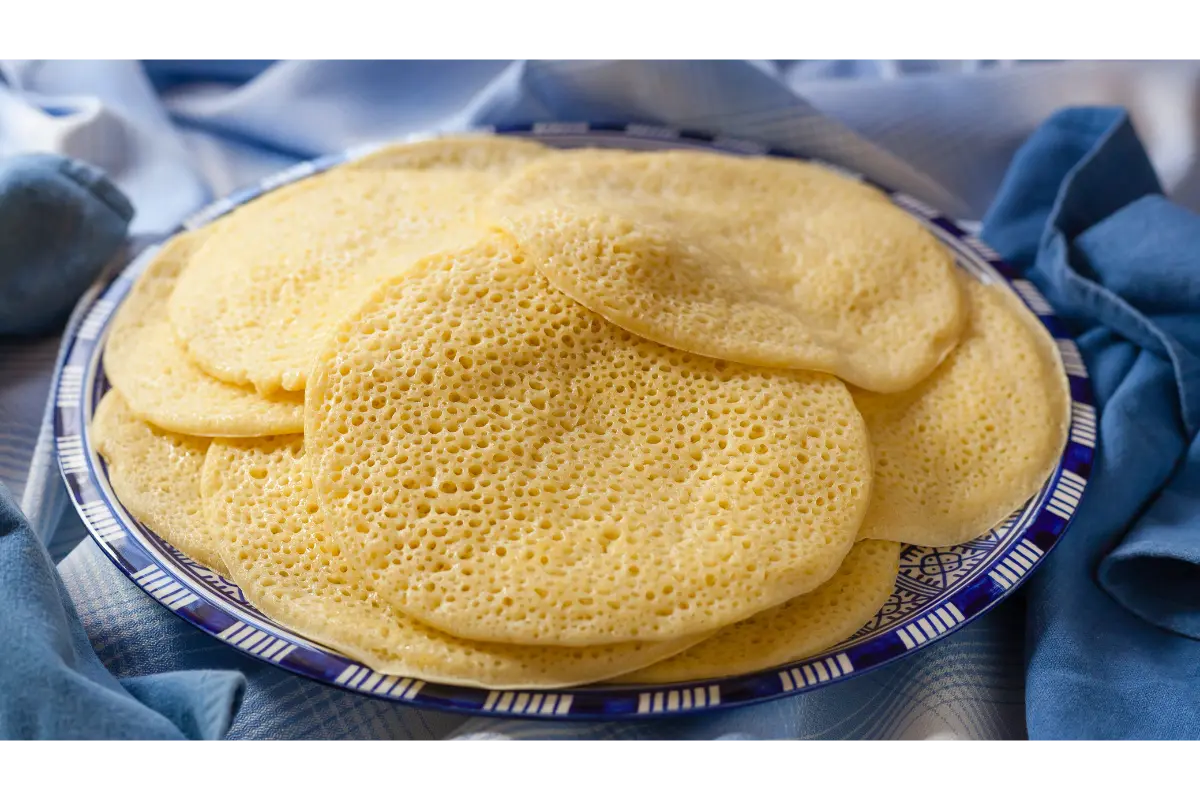
Baghrir, affectionately known as 'thousand hole pancakes' or 'Moroccan sponge pancakes,' represents one of Morocco's most enchanting culinary creations - delicate, spongy pancakes whose surface is covered with hundreds of tiny holes that form naturally during cooking, creating a honeycomb texture that soaks up melted butter and honey like the world's most delicious sponge. These ethereal pancakes are so light and airy they almost float off the plate, yet possess an addictive, slightly chewy texture that makes it impossible to eat just one. When properly made, baghrir are marvels of texture and simplicity, requiring only basic pantry ingredients but delivering spectacular results that never fail to impress.
The magic of baghrir lies in their unique cooking method and the mysterious formation of those signature holes. Unlike conventional pancakes cooked on both sides, baghrir are cooked only on one side, never flipped, allowing steam to escape through the uncooked top surface and create the characteristic porous, honeycomb texture. The batter itself is almost pourable, more like crepe batter than American pancake batter, and relies on yeast and sometimes baking powder for leavening. As the batter hits the hot pan, bubbles form and burst through the top, leaving behind those precious holes that will later drink up rivers of honey butter. The result is unlike any other pancake in the world - simultaneously light and substantial, sweet and neutral, simple yet sophisticated.
Baghrir holds a special place in Moroccan breakfast culture, particularly during Ramadan when they appear on iftar tables alongside dates, harira soup, and sweet mint tea. However, they are enjoyed year-round for breakfast or as an afternoon snack, traditionally served warm with amlou (a spread made from argan oil, almonds, and honey) or the classic preparation: melted butter mixed with honey poured generously over the pancakes, which instantly disappear into those thousand holes. Making baghrir is considered a fundamental skill for Moroccan home cooks, with each family having their own slight variations in technique and preferred toppings. The batter is surprisingly forgiving, and once you master the proper consistency and heat level, you can produce dozens of perfect baghrir to freeze and enjoy whenever the craving strikes.
About This Recipe
Baghrir, known colloquially as 'thousand hole pancakes,' occupies a cherished place in Moroccan culinary tradition with origins tracing back centuries through the country's Berber heritage. While the exact origins are difficult to pinpoint, food historians believe baghrir emerged from the practical ingenuity of North African cooks who developed methods to create light, spongy bread-like items using minimal ingredients. The name 'baghrir' likely derives from a Berber word, reflecting its ancient roots in Moroccan indigenous culture. What distinguishes baghrir from similar pancakes found across the Middle East and North Africa is the unique cooking method - prepared only on one side so bubbles can form and burst through the uncooked top, creating the distinctive honeycomb surface that gives the pancakes their thousand-hole nickname. This technique was likely discovered accidentally and then perfected over generations, becoming a signature of Moroccan breakfast culture. Historically, baghrir were prepared using stone-ground semolina and natural yeast starters, cooked on clay griddles over wood fires, creating rustic, hearty pancakes that provided sustenance for families. The addition of commercial yeast and modern leavening agents in more recent times has made baghrir easier and more reliable to prepare while maintaining the essential character. Throughout Morocco's history, baghrir has transcended economic and social boundaries - enjoyed equally in humble homes and affluent households, street stalls and elegant cafes. The pancakes became particularly associated with Ramadan, when they appear on iftar tables as a light, easily digestible food to break the fast, though they are enjoyed year-round for breakfast and afternoon snacks. The tradition of serving baghrir with honey butter or amlou (argan oil, almond, and honey spread) showcases Morocco's agricultural bounty and the importance of generous hospitality. Today, baghrir remains a fundamental part of Moroccan identity, with expatriate communities around the world continuing to make them as a connection to home and heritage. The sight of those signature thousand holes brings instant recognition and nostalgia to anyone who grew up in Morocco, while newcomers to Moroccan cuisine invariably marvel at these unique pancakes. Despite the proliferation of commercial versions available in Moroccan bakeries and even frozen in supermarkets, many families insist on making baghrir at home, maintaining the tradition of fresh, homemade breakfasts and the incomparable texture of pancakes straight from the griddle, dripping with honey butter and memories.
Nutritional Info (per serving)
Recipe Tags
Understanding the Ingredients
Fine Semolina and All-Purpose Flour
The foundation of baghrir requires a specific combination of fine semolina (not coarse semolina used for couscous) and all-purpose flour. The ratio varies by recipe, but typically uses more semolina than flour - around two parts semolina to one part flour. Fine semolina provides the characteristic slightly grainy texture and helps create the spongy, porous structure, while all-purpose flour contributes gluten for structure and makes the batter more cohesive. Some traditional recipes use only semolina for an ultra-light, delicate texture, while others use more flour for sturdier pancakes. The semolina must be fine - coarse semolina will not dissolve properly and will create a gritty texture. Both flours should be measured accurately, as the proportions affect the final texture significantly.
Instant Yeast
Yeast is what creates the bubbles that form the signature holes in baghrir. Instant yeast (also called rapid-rise or bread machine yeast) is preferred because it does not require proofing in water first and activates quickly in the batter. You will need about two teaspoons for a standard batch. The yeast needs warm liquid and a bit of sugar to activate properly. Active dry yeast also works but should be dissolved in warm water first before adding to the batter. The yeast creates carbon dioxide as it ferments, which forms bubbles that rise through the batter and burst through the top surface, creating the holes. Without adequate yeast activity, the pancakes will be dense and lack the characteristic honeycomb texture.
Baking Powder
Many modern baghrir recipes include baking powder in addition to yeast for insurance - it provides additional leavening that helps guarantee those precious holes even if the yeast is not super active. About one teaspoon of baking powder works well. The baking powder creates an immediate chemical reaction when the batter hits the hot pan, producing quick bubbles that complement the slower yeast fermentation. Traditional recipes often use only yeast, but the addition of baking powder makes the process more foolproof, especially for beginners. The combination of yeast and baking powder creates the most reliable, hole-filled results.
Warm Water or Milk
The liquid component should be warm - around 110°F or body temperature - to activate the yeast properly without killing it. Most recipes use water for lighter pancakes, though some include milk or a combination for richer flavor and softer texture. You will need approximately three to four cups of liquid, added gradually to achieve the right consistency. The exact amount can vary based on the absorption of your particular semolina and flour, so add it slowly and adjust as needed. The batter should be quite thin - thinner than American pancake batter, more like crepe batter or even slightly thinner. This thin consistency is crucial for proper hole formation.
Salt and Sugar
A small amount of salt enhances all the flavors and balances the sweetness that will be added later. About one teaspoon of salt is typical. Sugar serves dual purposes: it provides food for the yeast to help it activate and ferment, and it adds subtle sweetness to the pancakes themselves. You only need about one tablespoon of sugar - baghrir should not be very sweet, as they will be topped with honey butter. Some recipes omit sugar entirely if serving with very sweet toppings, but including it helps ensure good yeast activity and adds pleasant background sweetness.
Honey Butter (Amlou Alternative)
The classic topping for baghrir is a mixture of melted butter and honey, typically in equal parts or with slightly more honey than butter. This sweet, liquid mixture is poured over the hot pancakes, and the holes instantly absorb it, making the baghrir rich, sweet, and incredibly delicious. You will need about half a cup each of butter and honey for a full batch. The butter should be melted and mixed with warm honey until smooth. Some families use amlou (argan oil mixed with ground almonds and honey) which is traditional and delicious but less common due to the expense of argan oil. The honey butter should be warm and liquid when applied so it flows easily into all those tiny holes.
Step-by-Step Cooking Guide
Prepare the Dry Ingredients
In a large mixing bowl, combine two cups of fine semolina, one cup of all-purpose flour, two teaspoons of instant yeast, one teaspoon of baking powder, one tablespoon of granulated sugar, and one teaspoon of salt. Whisk these dry ingredients together thoroughly to distribute the yeast and baking powder evenly throughout the flour mixture. This even distribution is important because it ensures the leavening agents work uniformly throughout the batter, creating holes across the entire surface of each pancake rather than in patches. Make sure there are no lumps in the flour or semolina. Sifting is not essential but can help if your semolina tends to be clumpy.
Tip: Mix the dry ingredients very thoroughly - uneven distribution of yeast or baking powder will result in uneven hole formation. Ensure your yeast is fresh and has not expired, as old yeast will not activate properly.
Add Water and Blend Until Smooth
Add three cups of warm water (around 110°F) to the dry ingredients. Using an electric hand mixer, stand mixer, or blender, beat the mixture on medium-high speed for three to five minutes until completely smooth with no lumps. The batter should be quite thin - thinner than American pancake batter, more like thick cream or very thin crepe batter. If the batter seems too thick, add more warm water a quarter cup at a time, blending after each addition, until you reach the right consistency. When you lift the beaters or pour the batter, it should flow easily and smoothly, not glob or pour in thick streams. The vigorous mixing also helps activate the gluten and creates a smooth, homogeneous batter that will cook evenly. The batter should be completely lump-free - any lumps will create dense spots without holes.
Tip: The batter consistency is crucial - too thick and you will not get proper holes; too thin and the pancakes will be too delicate. Aim for the consistency of heavy cream or buttermilk. Blend thoroughly until absolutely smooth.
Rest and Ferment the Batter
Cover the bowl with plastic wrap or a clean kitchen towel and let the batter rest in a warm place for fifteen to thirty minutes. During this time, the yeast will activate and begin fermenting, creating bubbles throughout the batter. You should see the batter increase in volume slightly and become bubbly on the surface. If your kitchen is cool, place the bowl near a warm oven or in a sunny spot. After the initial rest, give the batter a gentle stir to redistribute any settled ingredients. At this point, check the consistency again - the batter may have thickened as the semolina absorbed liquid. If it seems too thick, add a bit more warm water and stir gently. The batter should pour smoothly but still have some body - not completely watery. A properly rested batter will be visibly bubbly and smell slightly yeasty.
Tip: Do not skip the resting period - it is essential for the yeast to activate and create the bubbles that will form the holes. If your kitchen is very cold, the yeast may need longer to activate. The batter should be noticeably bubbly before you start cooking.
Heat the Pan Properly
While the batter rests, prepare your cooking surface. Baghrir are traditionally cooked on a large, flat griddle, but a non-stick skillet or crepe pan works perfectly. Heat the pan over medium heat - not high heat. The temperature is crucial: too hot and the bottom burns before the top sets and forms holes; too cool and the pancakes will be dense and pale. Test the temperature by sprinkling a few drops of water on the pan - they should sizzle and evaporate within a few seconds. Unlike most pancakes, you do not grease or oil the pan for baghrir - they are cooked on a completely dry pan. If using a well-seasoned cast iron or non-stick pan, no oil is needed. The dry pan is important because oil would prevent proper hole formation.
Tip: Maintain consistent medium heat throughout cooking. If the first pancake browns too quickly or burns, reduce the heat. If it takes longer than two to three minutes to set, increase the heat slightly. The pan should be hot but not smoking.
Cook the Baghrir (One Side Only)
Give the batter a gentle stir. Using a ladle or measuring cup, pour about one-third cup of batter onto the hot, dry pan, tilting slightly if needed to spread it into a circle about six inches in diameter. Do not spread it with a spoon - let it flow naturally. Almost immediately, you will see bubbles forming on the surface. Watch as these bubbles rise, burst through the top, and leave behind the signature holes. Let the baghrir cook without touching it until the entire top surface is covered with holes and appears dry and set, about two to three minutes. The bottom should be lightly golden but not dark brown. This is crucial: baghrir are NEVER flipped. They are cooked only on one side. Once the top is completely set and covered with holes and the bottom is light golden, remove the pancake to a plate. The holes should go all the way through the pancake. Stack the cooked baghrir on top of each other, which helps keep them soft and prevents them from drying out.
Tip: Never flip baghrir - they cook only on one side. The magic happens when you cook them this way. If holes do not form, your batter may be too thick, the pan too cool, or the yeast not active enough. Adjust accordingly for the next one.
Repeat with Remaining Batter
Continue cooking the baghrir one at a time, pouring, cooking until set and holey, and stacking. You should not need to adjust the heat much once you find the right temperature, but monitor as you go. The batter may thicken as it sits, so stir gently before each ladleful and add a bit more water if it seems too thick. You should be able to make about twenty baghrir from this batch, depending on the size. As you stack them, the steam they create will help keep them soft and moist. If they start to dry out or become stiff, cover the stack with a clean kitchen towel. The cooking process goes quickly once you establish a rhythm - you can even use two pans simultaneously if you are comfortable.
Tip: Stack the cooked baghrir immediately to keep them soft. If making a large batch, you can keep them warm in a low oven (200°F) covered with foil. The first one or two might not be perfect as you calibrate the heat - this is normal.
Prepare Honey Butter
While the last few baghrir are cooking, prepare the classic honey butter topping. In a small saucepan over low heat, melt half a cup of unsalted butter. Once melted, add half a cup of honey and stir until the mixture is smooth, warm, and completely combined. The mixture should be liquid and pourable but not boiling. Some people like to add a tablespoon of orange blossom water to the honey butter for extra Moroccan flair, though this is optional. Keep the honey butter warm over very low heat until ready to serve. The warmth helps it flow into the holes easily.
Tip: The honey butter should be warm and liquid for easy pouring and absorption. Do not let it boil or the flavor will change. Adjust the butter-to-honey ratio to your preference - some prefer more honey, others more butter.
Serve with Honey Butter
To serve, arrange three to four baghrir on each plate, hole-side up (the holey side should face up to catch the honey butter). Drizzle the warm honey butter generously over the pancakes, watching as it instantly disappears into the holes. The baghrir will absorb an impressive amount of honey butter - do not be shy. The pancakes should glisten with honey butter but not swim in it. Serve immediately while still warm. Traditionally, baghrir are eaten with your hands, folding them or tearing off pieces to enjoy. They are also commonly served alongside Moroccan mint tea for a classic breakfast or afternoon snack. Some people prefer to serve the honey butter on the side, allowing each person to add as much as they like.
Tip: Always serve baghrir with the holey side facing up so the honey butter can flow into the holes properly. They are best enjoyed warm and fresh but can be reheated successfully.
Common Mistakes to Avoid
❌ Batter That is Too Thick
Solution: Thick batter will not produce proper holes. The batter should be quite thin - similar to crepe batter or heavy cream. If your baghrir are dense and lack holes, thin the batter by adding more warm water a quarter cup at a time until it flows easily.
❌ Flipping the Pancakes
Solution: Baghrir are NEVER flipped - they cook only on one side. Flipping destroys the holes and creates the wrong texture entirely. Cook them only until the top is completely set and covered with holes, then remove from the pan.
❌ Pan Too Hot or Too Cool
Solution: Temperature control is critical. Too hot and the bottom burns before holes form; too cool and the pancakes will be dense and pale. Aim for medium heat where the baghrir cook and develop holes over two to three minutes without burning.
❌ Not Letting Batter Rest
Solution: The resting period allows the yeast to activate and create the bubbles that form holes. Batter cooked immediately will be dense and lack the signature texture. Always rest for at least fifteen to twenty minutes until bubbly.
❌ Using Expired or Inactive Yeast
Solution: Old yeast will not activate properly, resulting in dense pancakes without holes. Always check the expiration date on your yeast and test it if in doubt by dissolving in warm water with sugar - it should foam within five minutes.
❌ Adding Oil to the Pan
Solution: Baghrir are cooked on a completely dry pan. Adding oil prevents proper hole formation and changes the texture. Only use a dry, non-stick or well-seasoned pan with no added fat.
❌ Not Blending Thoroughly
Solution: Lumps in the batter create dense spots without holes. Blend the batter thoroughly with a mixer or blender until completely smooth and lump-free. This also helps activate the gluten for better structure.
Ingredient Substitutions
Instead of: Fine Semolina
Use: You can use all-purpose flour exclusively, though the texture will be slightly different - less spongy and more like regular pancakes. For best results, use at least some semolina. Cream of wheat can substitute in a pinch but changes the texture.
Instead of: Instant Yeast
Use: Active dry yeast works but should be dissolved in a bit of warm water first before adding to the batter. Use the same amount. Fresh yeast also works - use about three times the weight of instant yeast called for.
Instead of: Water
Use: Milk or a combination of milk and water creates richer, softer baghrir with slightly more flavor. The cooking method remains the same. Some recipes use all milk for extra tender pancakes.
Instead of: Butter in Honey Butter
Use: Ghee or clarified butter works beautifully. For dairy-free, use coconut oil or substitute with more honey. Amlou (argan oil, almond, and honey spread) is a traditional Moroccan alternative.
Serving Suggestions
Serve baghrir for breakfast with honey butter, Moroccan mint tea, and fresh fruit for a classic Moroccan morning meal.
During Ramadan, serve baghrir as part of the iftar spread alongside dates, harira soup, boiled eggs, and other sweets - this is traditional and delicious.
Top with amlou (argan oil, ground almond, and honey spread) for an authentic, luxurious Moroccan treat that showcases Morocco's prized argan oil.
For a simpler preparation, serve with just honey, just butter, or honey and butter separately rather than mixed together.
Try savory toppings like soft cheese, olive oil and za'atar, or even as a base for eggs Benedict-style preparations, though these are not traditional.
Spread with nut butter and banana for a fusion breakfast that kids especially love.
Serve alongside tagines or stews, using the baghrir to soak up flavorful sauces - the holes make them perfect for this.
Package cooled baghrir as gifts or bring to gatherings - they are always appreciated and showcase Moroccan hospitality.
Storage & Reheating Guide
Storage
Baghrir store excellently, which is why many Moroccan cooks make large batches. Once completely cooled, stack them with parchment paper between each pancake to prevent sticking, then place in an airtight container or zip-top bag. Store in the refrigerator for up to one week or freeze for up to three months. For freezing, you can also separate into portions (three to four pancakes per portion) for easier use. Frozen baghrir do not need to be thawed before reheating - they can go directly from freezer to reheating method. The holes remain intact through storage and reheating. Leftover honey butter can be stored in the refrigerator and rewarmed when needed.
Reheating
To reheat refrigerated baghrir, steam them for two to three minutes in a steamer basket over boiling water - this restores their soft, spongy texture beautifully. Alternatively, wrap in a damp paper towel and microwave for twenty to thirty seconds until warm. For frozen baghrir, steam for four to five minutes or microwave for forty-five to sixty seconds. You can also reheat on a dry skillet over medium-low heat for about one minute per side, though steaming is preferred for maintaining the soft texture. Avoid reheating at high temperatures, which can make them tough.
Tips: Baghrir actually improve slightly after storage and reheating - the texture becomes even more tender and the flavors meld. Many Moroccan families make them on weekends for quick weekday breakfasts. The holes remain perfect through freezing and thawing. Always store them stacked to keep them soft - separation causes them to dry out and become stiff.
Frequently Asked Questions
Recipe by

Similar Recipes


Our Recipe Ebooks
Discover our collection of authentic Moroccan recipe ebooks. Learn traditional cooking methods and create delicious meals at home.
The Moroccan Vegen
The Royal Moroccan Table -Part1
The Royal Moroccan Table -Part2
YouTube Channel
Watch step-by-step cooking videos, learn professional techniques, and get inspired by traditional and modern recipes from around the world.
Latest Video
"Traditional Moroccan Tagine Masterclass"